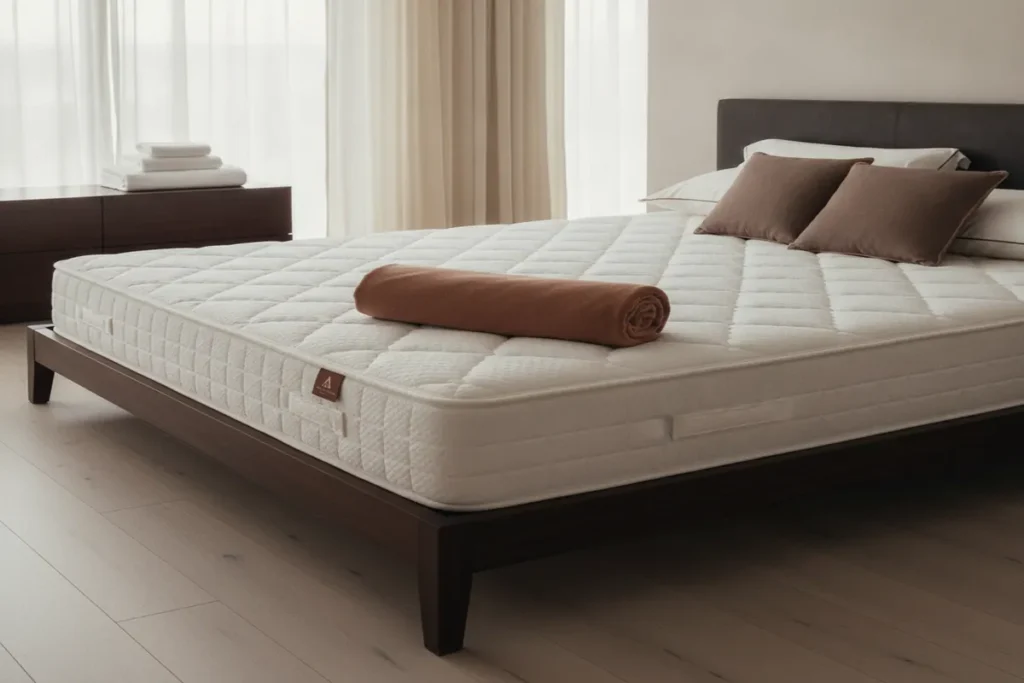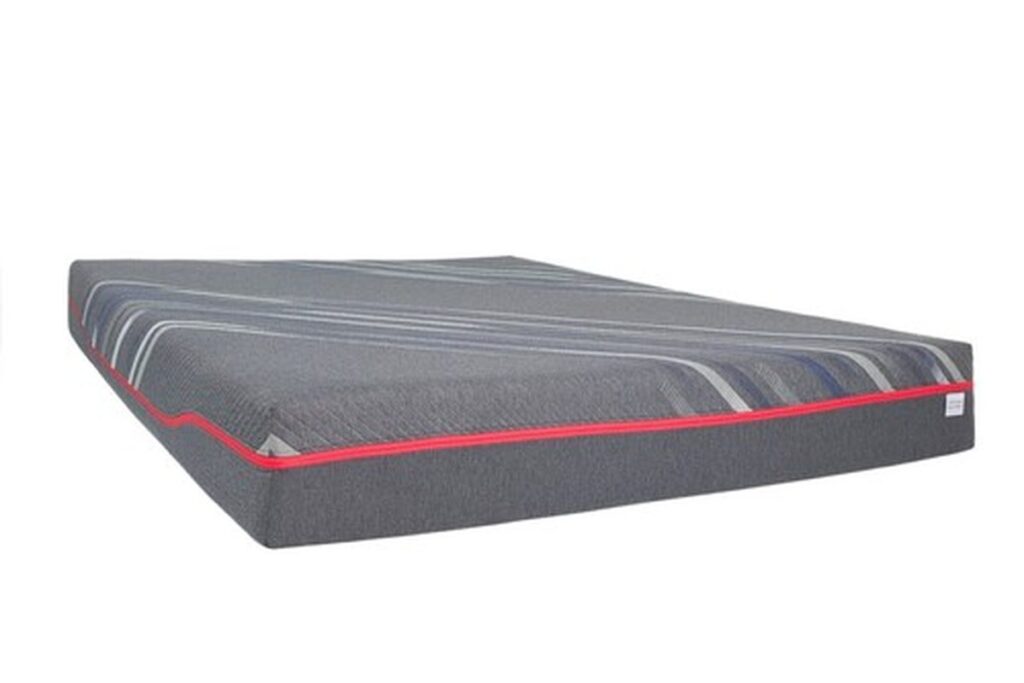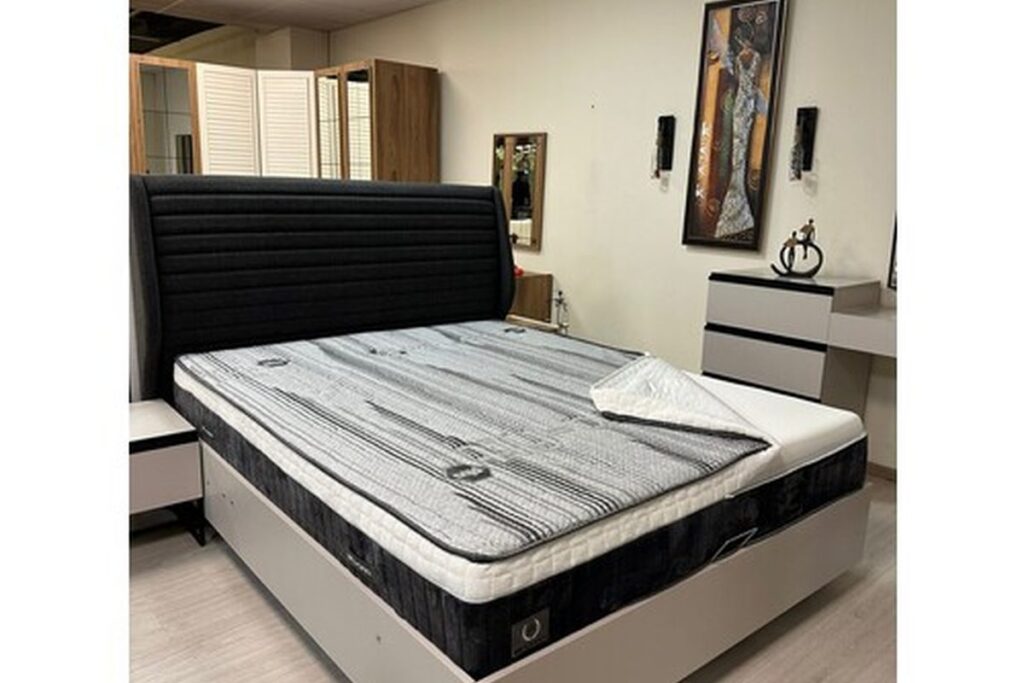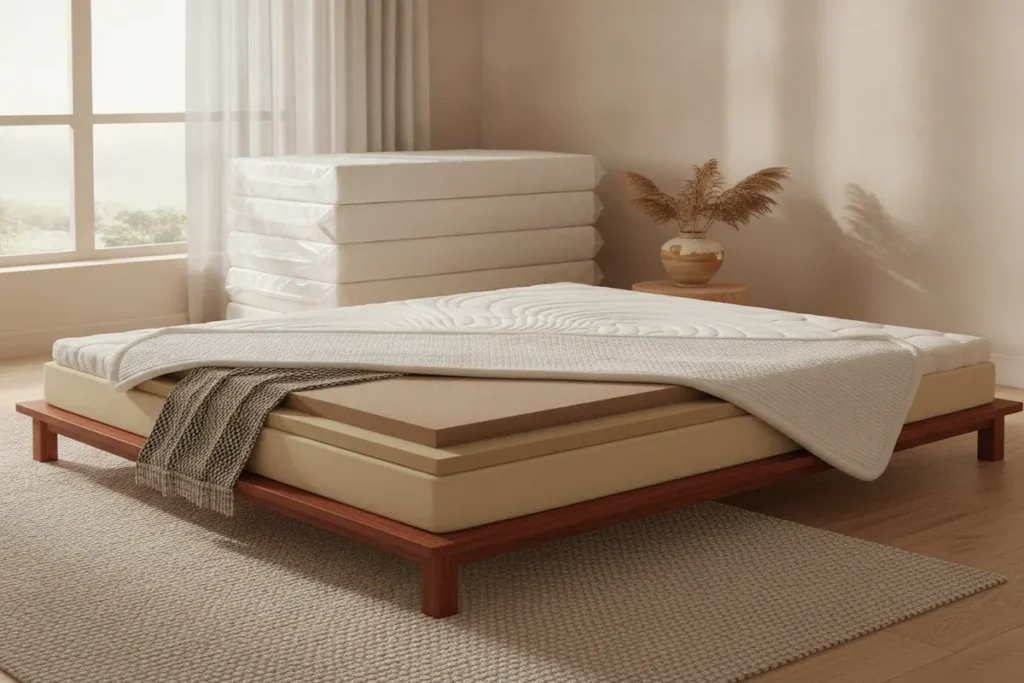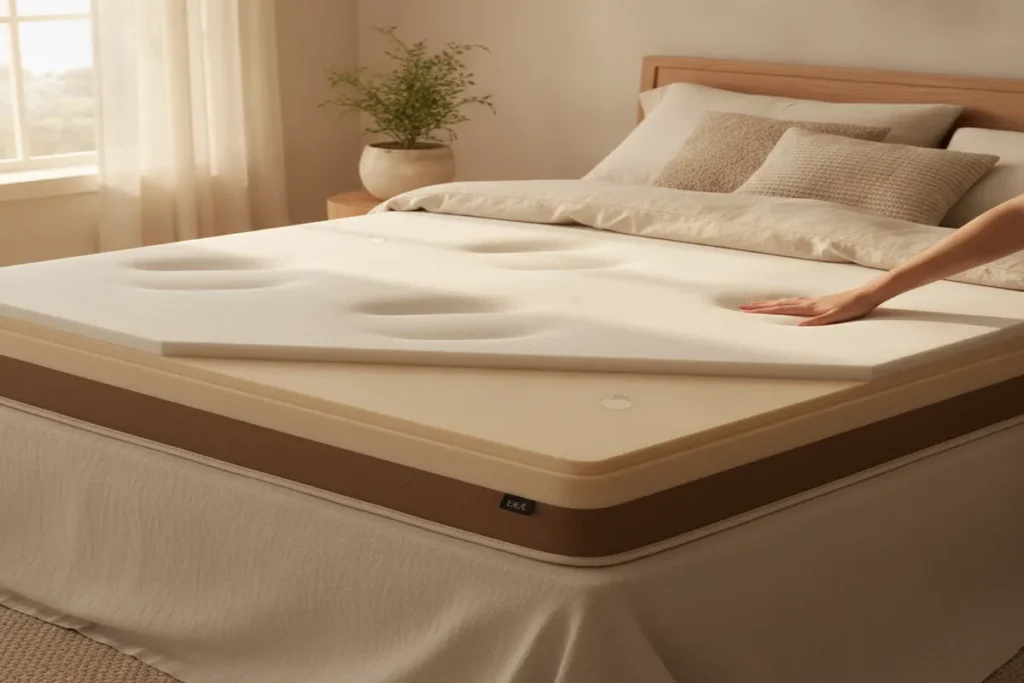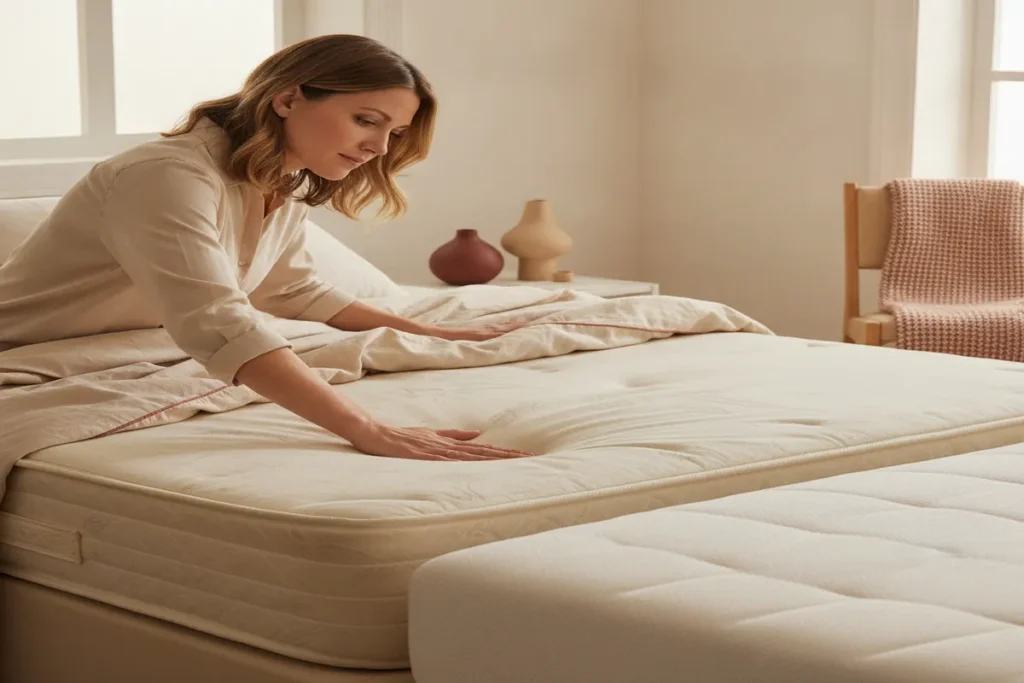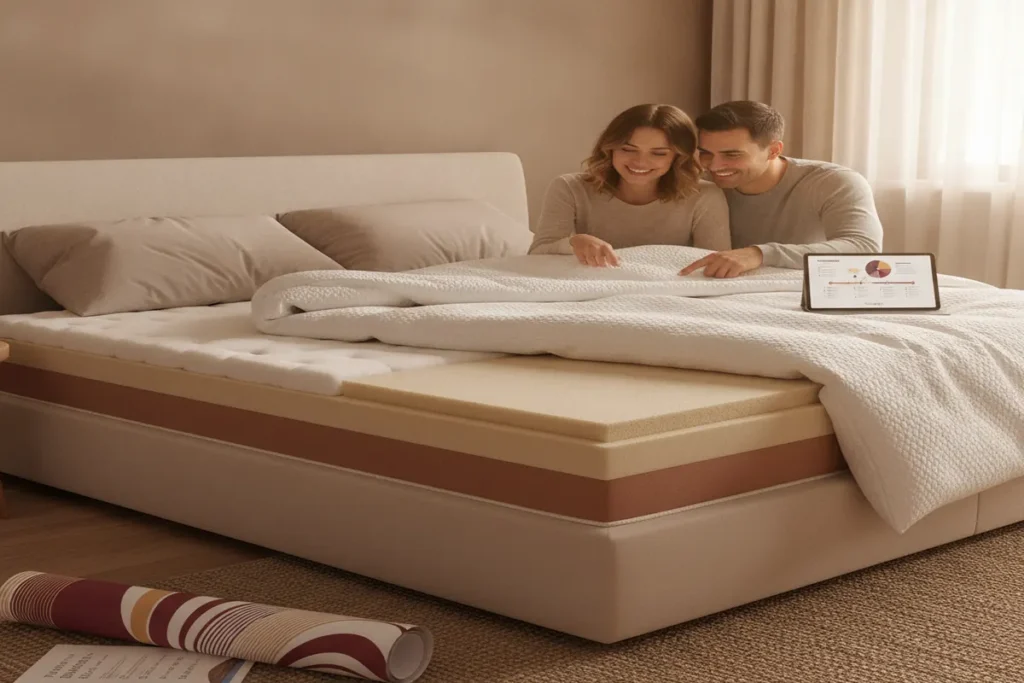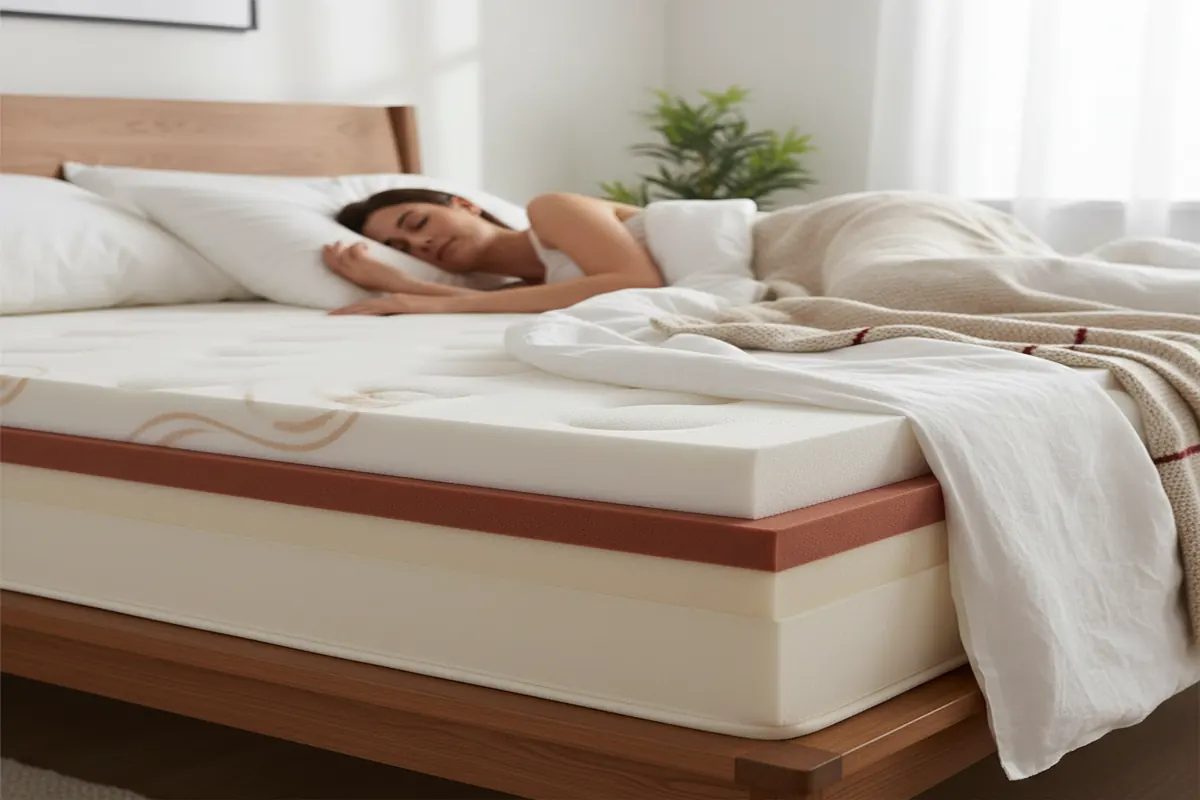
A foam mattress functions by utilizing various densities and types of foam layers to provide both cushioning comfort and robust underlying support. Primarily, these mattresses conform to the sleeper’s body, distributing weight evenly across the surface. This action reduces pressure points, promotes spinal alignment, and minimizes motion transfer, leading to a more restorative sleep experience. The core mechanism involves the foam’s ability to compress and then slowly rebound, adapting to individual body contours rather than resisting them.
Quick Summary
- Foam mattresses use viscoelastic or elastic foams to contour to the body, distributing weight evenly and relieving pressure points
- their layered construction combines comfort, transition, and support foams for balanced feel
- memory foam reacts to body heat and weight, softening to cradle the sleeper
- “mattress in a box” delivery relies on advanced compression technology for convenience
How Does a Foam Mattress Deliver Its Unique Support and Comfort?
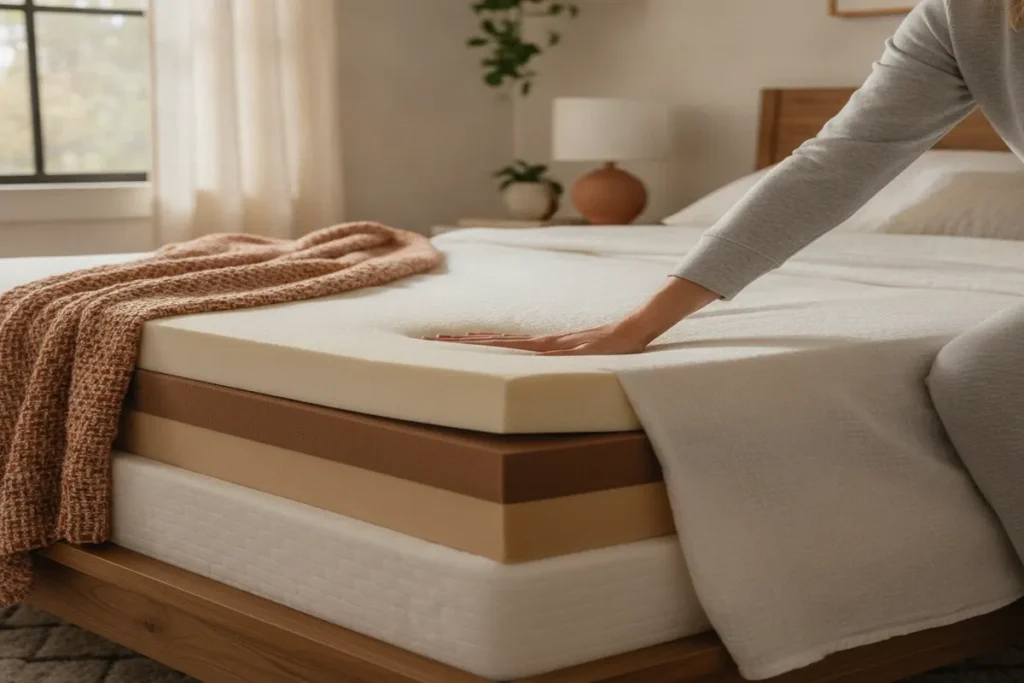
At its heart, a foam mattress’s performance hinges on the sophisticated interplay of its layered construction. Unlike traditional spring mattresses that rely on coils for bounce and support, foam mattresses achieve their unique feel through the properties of polymer foams. Each layer serves a distinct purpose, working in concert to create the desired comfort level, support, and durability.
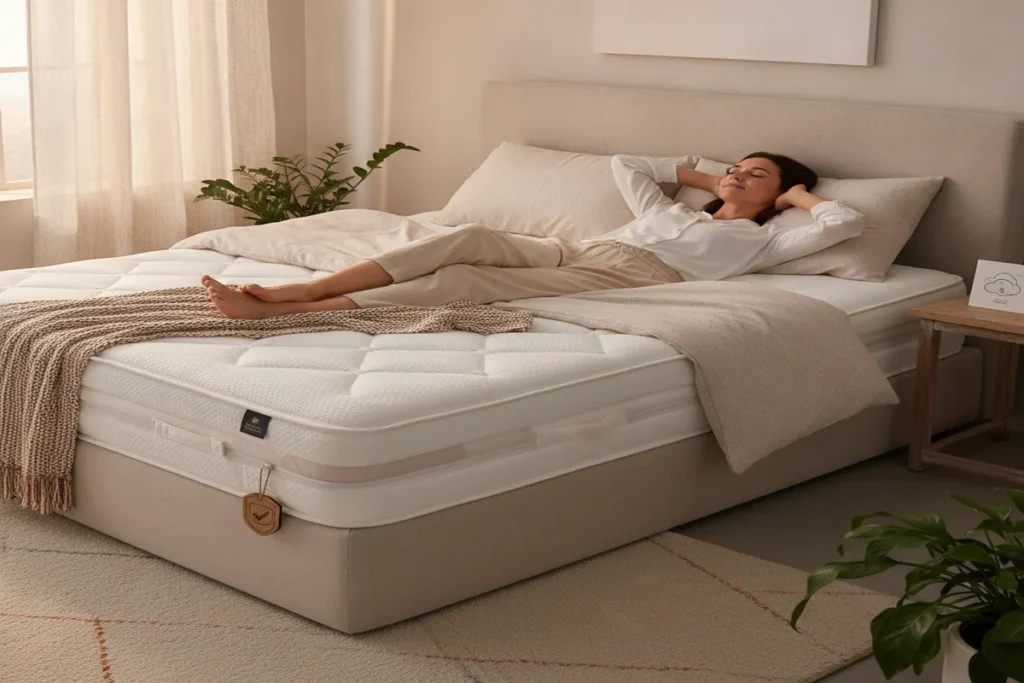
The fundamental principle is weight distribution and contouring. When you lie on a foam mattress, the foam compresses under your body’s weight, allowing it to adapt precisely to your curves. This ensures that heavier parts of your body, like hips and shoulders, sink in just enough to relieve pressure, while lighter areas, such as the lumbar region, are adequately supported.
Key components and their roles:
-
Comfort Layer: This is the topmost layer, typically softer and designed for immediate pressure relief. It’s often made from materials like memory foam (viscoelastic foam), latex foam, or softer polyfoam. This layer is crucial for the initial feel of the mattress and its ability to cradle the body.
-
Transition Layer: Situated between the comfort and support layers, the transition foam provides a gradual shift in firmness. It prevents the sleeper from feeling the firmer support core directly and helps to distribute weight more broadly before it reaches the base. This layer is vital for overall comfort and preventing “bottoming out.”
-
Support Core: This forms the foundation of the mattress, usually made from high-density polyfoam or sometimes firmer latex. Its primary role is to provide structural integrity, prevent sagging, and offer deep support for proper spinal alignment. The support core ensures the mattress maintains its shape and performance over time.
How Does a Memory Foam Mattress Work?
Memory foam, also known as viscoelastic foam, is a cornerstone of modern foam mattress technology. Its distinctive properties are what give memory foam mattresses their characteristic feel and benefits.
-
Viscoelasticity: This term describes the foam’s dual nature: it’s both viscous (resists flow, like honey) and elastic (returns to its original shape, like rubber). When pressure is applied, memory foam slowly compresses and molds to the body’s shape. When the pressure is removed, it slowly regains its original form.
-
Temperature Sensitivity: Memory foam is temperature-sensitive. It softens when exposed to body heat, allowing it to contour more closely to the sleeper. This heat-activated softening enhances its ability to relieve pressure points by distributing weight over a larger surface area.
-
Pressure Relief: By cradling the body’s natural curves, memory foam significantly reduces pressure on sensitive areas like shoulders, hips, and knees. This can alleviate aches and pains, making it a popular choice for those with joint issues or back pain.
-
Motion Isolation: One of memory foam’s most celebrated features is its exceptional motion isolation. Because the foam absorbs energy rather than transferring it, movement on one side of the bed is barely felt on the other, making it ideal for couples.
Sinyora Yatak‘s Visco Foam Mattress collection exemplifies this technology, offering advanced pressure relief and contoured support for a truly undisturbed sleep.
Choosing Your Ideal Foam Mattress: Understanding Materials and Comfort Levels
Selecting the right foam mattress is a personalized journey, deeply influenced by individual sleep preferences, body type, and specific needs. Understanding the different materials and how they contribute to comfort and support is paramount.
When considering how to choose foam mattress work, focus on these critical factors:
-
Foam Type:
- Memory Foam (Viscoelastic Foam): Excellent for contouring, pressure relief, and motion isolation. Can feel warmer due to its density and heat retention, though newer generations incorporate cooling technologies (e.g., gel infusions).
- Latex Foam: Derived from rubber trees (natural latex) or synthetically produced. Offers a more responsive, buoyant feel than memory foam, with good pressure relief and durability. It’s naturally hypoallergenic and breathable. Sinyora Yatak’s Latex Foam Mattress provides a resilient yet conforming sleep surface.
- Polyfoam (Polyurethane Foam): The most common and versatile foam, used in various densities and firmness levels for support cores, transition layers, and sometimes comfort layers. Less expensive than memory foam or latex, but quality varies widely.
-
Density vs. Firmness: These terms are often confused but are distinct.
- Density: Refers to the weight of the foam per cubic foot. Higher density foam generally means more durable, supportive, and often more expensive. It doesn’t directly dictate firmness.
- Firmness: How hard or soft the mattress feels, measured by Indentation Load Deflection (ILD). A high ILD means a firmer mattress.
-
Layer Construction: The combination and thickness of different foam layers dictate the overall feel. A thicker comfort layer provides more plushness, while a robust support core ensures longevity and prevents sagging.
Foam Mattress Material Comparison
To help you decide, here’s a comparison of common foam types:
For a deeper dive into how different mattress types perform, explore our Turkish Foam Mattress vs Spring guide, which offers insights into the unique advantages of each.
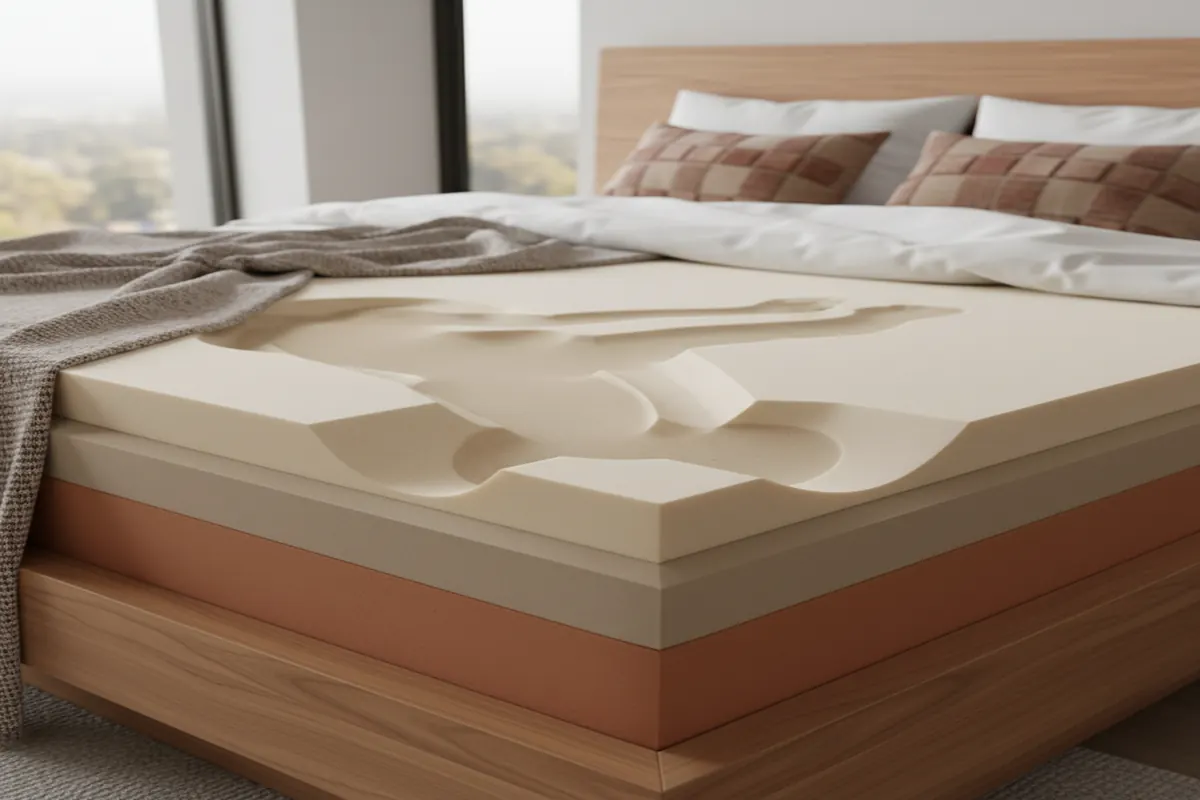
Beyond the Bed: How Memory Foam Toppers Enhance Your Sleep Surface
A memory foam mattress topper works on the same principles as a memory foam mattress, but it’s designed to be an additional layer placed on top of an existing mattress. It doesn’t replace the core support of your bed but significantly alters its feel and benefits.
When considering how does a memory foam mattress topper work, think of it as an instant upgrade or a targeted solution for specific sleep needs:
-
Adding Pressure Relief: If your current mattress is too firm, a memory foam topper can provide a plush, conforming layer that cradles your body and alleviates pressure points without needing to buy a whole new mattress.
-
Enhanced Comfort: It can breathe new life into an older mattress that still offers adequate support but has lost some of its surface comfort. The topper adds a fresh layer of cushioning.
-
Motion Isolation (Partial): While not as effective as a full memory foam mattress, a thick memory foam topper can help reduce some motion transfer, especially for lighter movements.
-
Temperature Regulation: Modern toppers, like Sinyora Yatak’s Visco Topper, often incorporate cooling gel infusions or open-cell designs to mitigate the heat retention sometimes associated with traditional memory foam.
-
Cost-Effective Solution: A topper is a much more affordable way to experience the benefits of memory foam without the investment of a full mattress.
Choosing a topper involves considering its thickness (typically 2-4 inches), density, and any special features like cooling technology. A thicker, denser topper will offer more significant contouring and pressure relief. Sinyora Yatak offers a range of Topper Collection options, including Sponge Topper Mattress and Latex Topper, allowing you to customize your sleep experience.
The ‘Mattress in a Box’ Phenomenon: How Foam Mattresses Are Compressed and Delivered
The convenience of the “mattress in a box” delivery model has revolutionized how consumers purchase and receive mattresses. This ingenious method relies heavily on the inherent flexibility and compressibility of foam. So, how does mattress in a box work?
The process involves several key steps:
-
Compression: Once manufactured, the finished foam mattress (or multiple layers of foam) is placed into a specialized compression machine. This machine uses immense pressure to squeeze all the air out of the foam, reducing its volume significantly.
-
Vacuum Sealing: While compressed, the mattress is then vacuum-sealed in a durable plastic bag. This airtight seal maintains the compressed state and protects the mattress during transit.
-
Rolling: After compression and sealing, the mattress is carefully rolled up, much like a giant sleeping bag. This further reduces its dimensions, making it compact enough to fit into a relatively small box.
-
Boxing: The rolled and sealed mattress is then placed into a sturdy cardboard box, ready for shipping. This compact packaging makes it much easier to transport, both for shipping companies and for consumers to maneuver into their homes.
How Are Memory Foam Mattresses Packaged?
Memory foam mattresses are particularly well-suited for this packaging method due to their viscoelastic properties. Their ability to compress and slowly rebound without damage makes them ideal candidates. The packaging for memory foam mattresses follows the same compression, vacuum-sealing, and rolling process described above.
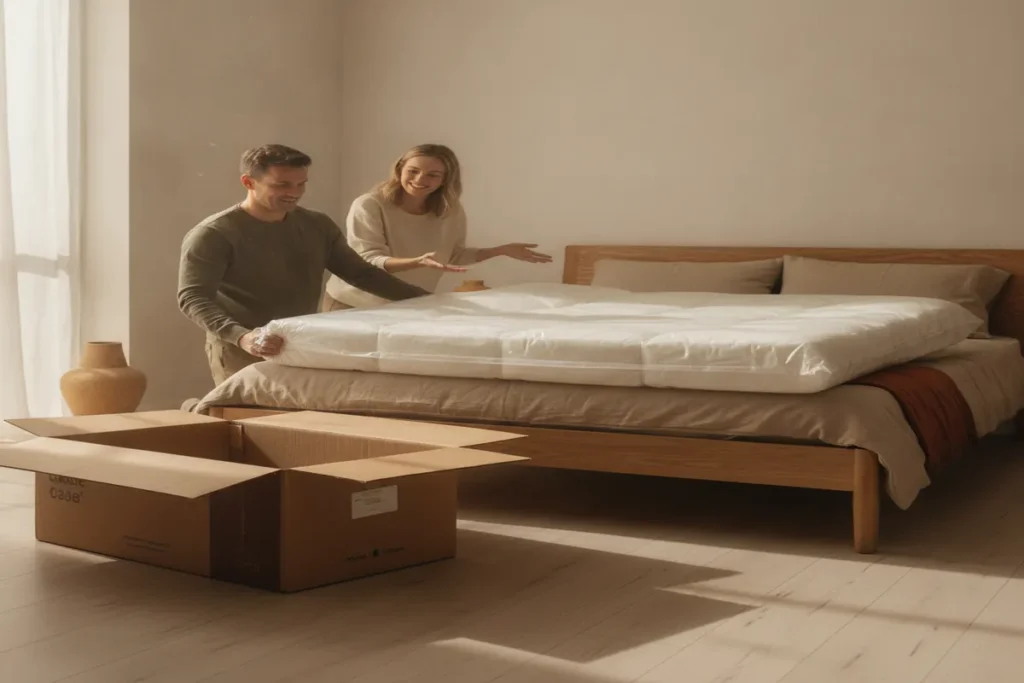
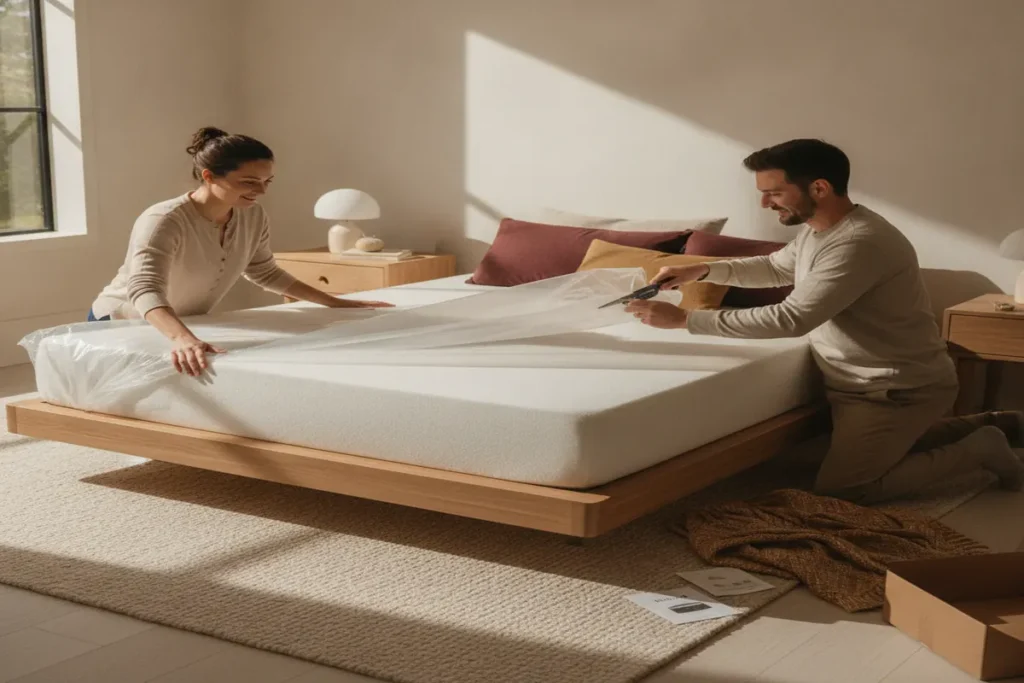
Upon arrival, the user simply unboxes the mattress, carefully cuts open the plastic seal, and watches as the mattress begins to decompress and regain its full size and shape. This typically takes a few hours, though full expansion and off-gassing can take up to 24-72 hours. This process is a testament to the resilience and engineering of modern foam mattresses.
From Raw Materials to Rest: How Are Foam Mattresses Made?
The manufacturing of foam mattresses is a sophisticated industrial process that transforms raw chemical components into the comfortable sleep surfaces we know. Understanding how are foam mattresses made reveals the complexity and precision involved.
The primary ingredient for most foam mattresses, particularly polyurethane foam and memory foam, is a blend of polyols and isocyanates. These are liquid chemicals that, when mixed under specific conditions, undergo a chemical reaction called polymerization, creating a foam structure.
Here’s a simplified breakdown of the manufacturing process:
-
Chemical Mixing: Precisely measured amounts of various liquid chemicals, including polyols, isocyanates, blowing agents (to create air pockets), and other additives (e.g., fire retardants, gel particles for cooling), are combined in a large mixer.
-
Foaming: As the chemicals react, they generate heat and gas, causing the mixture to expand rapidly and create a large “bun” of foam. This foaming process is carefully controlled to achieve the desired density, firmness, and cell structure.
-
Curing: The large foam bun is then left to “cure” for a period, allowing the chemical reactions to fully complete and the foam to stabilize. This can take several hours or even days.
-
Cutting and Shaping: Once cured, the large foam bun is transported to cutting stations. Automated machinery, often guided by computer programs, precisely cuts the foam into the desired dimensions for mattress layers. Different layers of varying densities and types (e.g., comfort foam, transition foam, support foam) are cut at this stage.
-
Layer Assembly: The individual foam layers are then assembled. This typically involves adhering them together using specialized, non-toxic adhesives. This multi-layer construction is crucial for creating the mattress’s specific feel and performance characteristics.
-
Covering: The assembled foam core is then encased in a fabric cover. This cover can be made from various materials, often featuring breathable, durable, and sometimes antimicrobial properties. Sinyora Yatak’s commitment to quality extends to these covers, ensuring both aesthetics and functionality.
-
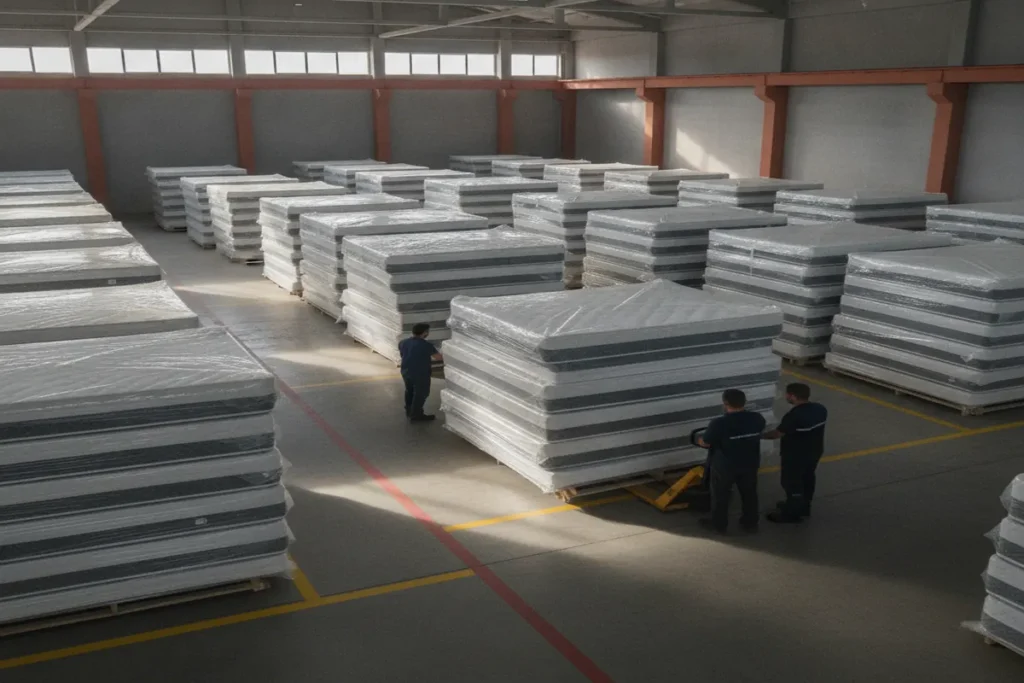
Quality Control and Packaging: Each finished mattress undergoes rigorous quality control checks for dimensions, firmness, and overall integrity. For “mattress in a box” models, the mattresses then proceed to the compression and packaging stage.
Sinyora Yatak prides itself on its advanced manufacturing facilities in Turkiye, where skilled artisans and cutting-edge technology combine to produce high-quality mattresses. Our process ensures that every Construction Mattress meets stringent international standards, reflecting What Makes Turkish Mattresses Special.
Maximizing Your Investment: Common Mistakes to Avoid and What Impacts Foam Mattress Lifespan
A foam mattress is a significant investment in your sleep health, and understanding its longevity is crucial. What is the life expectancy of a foam mattress typically ranges from 7 to 10 years, but this can vary widely based on several factors and how well you care for it.
Factors Affecting Foam Mattress Lifespan:
-
Foam Quality and Density: High-density foams (especially memory foam and latex) are generally more durable and last longer than lower-density polyfoams, which can break down and soften more quickly.
-
Construction: The overall design, number of layers, and quality of adhesives used in the mattress play a role. A well-engineered mattress with a robust support core will outlast one with a flimsy base.
-
Usage: A mattress used nightly by a heavier individual or by multiple sleepers will naturally experience more wear and tear than one used occasionally or by a lighter person.
-
Care and Maintenance: Proper care, including using a mattress protector and providing adequate support, can significantly extend the life of your mattress.
-
Environmental Factors: Humidity, temperature fluctuations, and exposure to direct sunlight can degrade foam over time.
Common Mistakes to Avoid with Foam Mattresses:
-
Using an Inadequate Foundation: A foam mattress requires a solid, flat, and supportive foundation to perform correctly and prevent sagging. Using an old box spring designed for innerspring mattresses or a slatted base with wide gaps can compromise support and void warranties.
- Recommendation: Opt for a solid platform bed, a slatted foundation with closely spaced slats (no more than 2-3 inches apart), or a bunkie board. Explore Sinyora Yatak’s Bed Base and Headboard options for ideal compatibility.
-
Neglecting a Mattress Protector: Spills, sweat, and body oils can penetrate foam, leading to material degradation, odors, and hygiene issues.
- Recommendation: Always use a high-quality, waterproof, and breathable mattress protector from day one.
-
Ignoring Off-Gassing: New foam mattresses, especially memory foam, can release a “new mattress smell” (VOCs) for the first few days. This is generally harmless but can be bothersome.
- Recommendation: Allow the mattress to air out in a well-ventilated room for 24-72 hours before sleeping on it.
-
Not Rotating the Mattress: While many foam mattresses are “no-flip,” rotating them head-to-foot every 3-6 months can help distribute wear evenly, extending lifespan.
-
Improper Cleaning: Harsh chemicals or excessive moisture can damage foam.
- Recommendation: Spot clean with mild soap and water, and allow to air dry completely. Refer to our Care and Maintenance guide for detailed instructions.
-
Assuming All Foam is the Same: There’s a vast difference in quality and type. Buying the cheapest foam mattress without researching materials and density can lead to premature sagging and discomfort.
- Recommendation: Invest in quality. Sinyora Yatak offers a Turkish Mattress Lifespan that often exceeds industry averages due to superior materials and craftsmanship.
By avoiding these common pitfalls and adhering to proper Care and Maintenance, you can significantly extend the life and performance of your foam mattress, ensuring years of comfortable sleep.
The Weight of Comfort: What to Expect from Your Foam Mattress
When considering how much does a foam mattress weigh, it’s important to understand that foam mattresses, particularly those with high-density memory foam or latex, tend to be heavier than traditional innerspring mattresses of the same size. This weight is a direct consequence of the materials used and their inherent density.
Factors Influencing Foam Mattress Weight:
-
Foam Density: Higher density foams, which are generally more durable and supportive, are heavier. A memory foam mattress with a 5 lb/cubic foot density will be significantly heavier than one with a 3 lb/cubic foot density.
-
Mattress Size: Naturally, larger mattresses (e.g., King vs. Twin) will contain more material and therefore weigh more.
-
Mattress Thickness: A thicker mattress, with more layers of foam, will also be heavier than a thinner one.
-
Material Type: Latex foam tends to be one of the heaviest foam types due to its natural density, followed by high-density memory foam. Polyfoam can vary widely.
Practical Implications of Mattress Weight:
-
Moving and Setup: A heavier mattress can be more challenging to move, especially when setting it up or rotating it. While “mattress in a box” delivery makes initial transport easier, moving the mattress once it’s fully expanded requires effort, often two people.
-
Foundation Requirements: The weight of a foam mattress, combined with the weight of sleepers, puts considerable stress on the bed frame and foundation. This reinforces the need for a sturdy, supportive bed base to prevent damage and ensure longevity.
-
Perceived Quality: In many cases, a heavier foam mattress can be an indicator of higher quality and denser, more durable foams. While not the sole metric, it’s a common observation in the industry.
For example, a Queen-size memory foam mattress can weigh anywhere from 80 to 120 pounds or more, whereas a comparable innerspring might be 60-90 pounds. Understanding this helps manage expectations for delivery, setup, and long-term handling.
Expert Insight
“The evolution of foam mattress technology has been driven by a relentless pursuit of personalized comfort and support. What started as basic polyurethane foam has transformed into a sophisticated blend of viscoelastic, latex, and engineered polyfoams, each designed to address specific sleep needs. The key insight is that density, not just firmness, is often the true indicator of a foam mattress’s durability and ability to maintain its supportive properties over time. High-quality, dense foams provide not only superior pressure relief but also a significantly longer lifespan, offering better value in the long run.” — Industry experts confirm that investing in higher-density foams often correlates with a more durable and effective mattress.
Key Terms
-
Viscoelastic: Describes materials, like memory foam, that exhibit both viscous (resistance to flow) and elastic (ability to return to original shape) properties. It allows foam to slowly contour and recover.
-
Pressure Relief: The ability of a mattress to distribute body weight evenly, reducing concentrated force on sensitive areas like hips, shoulders, and lower back.
-
Motion Isolation: The capacity of a mattress to absorb movement, preventing disturbances from transferring across the bed, crucial for couples.
-
Polyfoam (Polyurethane Foam): A versatile, petroleum-based foam used extensively in mattresses for support, transition, and comfort layers, available in various densities and firmness levels.
-
Off-Gassing: The release of volatile organic compounds (VOCs) as new foam mattresses expand and air out, often resulting in a temporary “new mattress smell.”
How Can You Upgrade to More Comfortable Sleep with Sinyora Yatak?
At Sinyora Yatak, we understand that exceptional sleep is not just a luxury, but a cornerstone of a healthy life. Our expertly crafted foam mattresses, including our advanced Visco Foam Mattress and naturally resilient Latex Foam Mattress, are designed to deliver unparalleled comfort and support tailored to your unique needs. Experience the difference of premium Turkish craftsmanship, where every mattress is a testament to quality, durability, and innovation. From our conforming memory foam that cradles every curve to our responsive latex options that offer buoyant support, we have the perfect solution to transform your sleep. Explore our diverse Mattress Collection today, or enhance your current bed with a luxurious Visco Topper or Latex Topper. For those seeking a truly bespoke sleep solution, our Pillow Collection also complements our mattresses, offering Visko Pillows Neck Support and Latex Pillows Neck Support for complete head and neck alignment. Discover the Sinyora Yatak difference and invest in years of restorative sleep.
Frequently Asked Questions
Q: What is the main difference between memory foam and latex foam mattresses?
Q: Can a foam mattress cause me to overheat?
Q: How long does it take for a “mattress in a box” to fully expand?
Q: Do foam mattresses need a special bed frame or foundation?
Q: Are foam mattresses good for back pain sufferers?
Q: How often should I rotate my foam mattress?