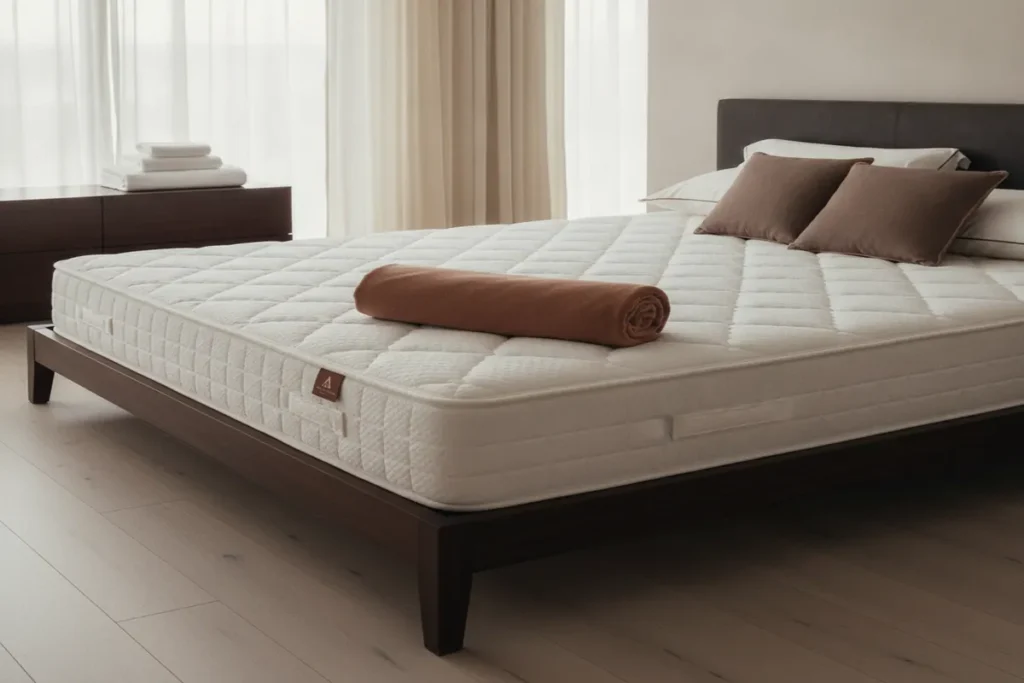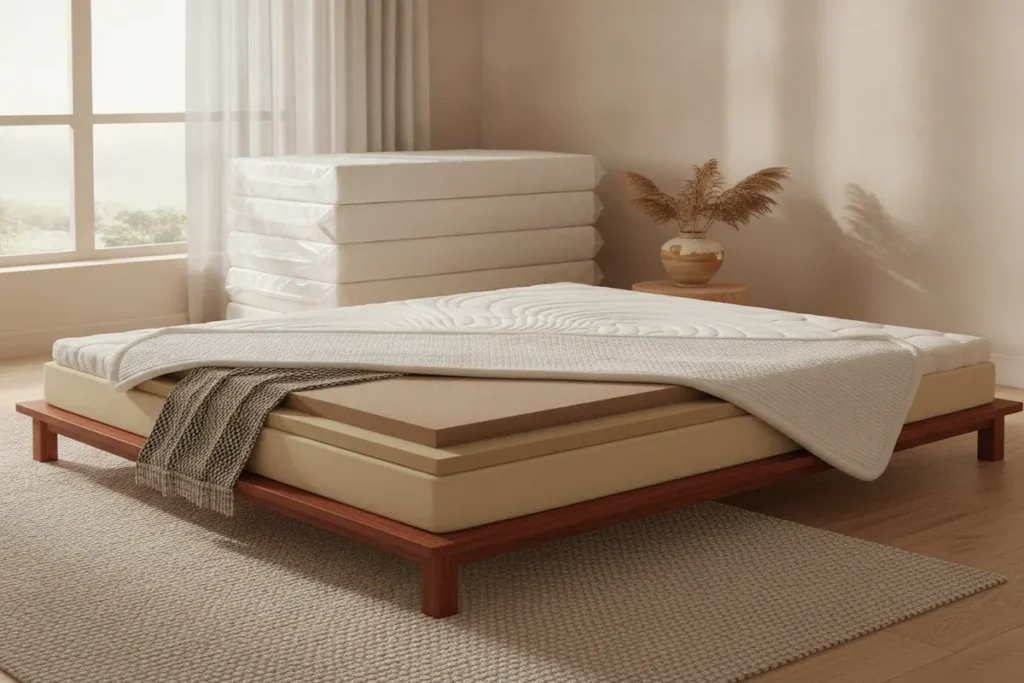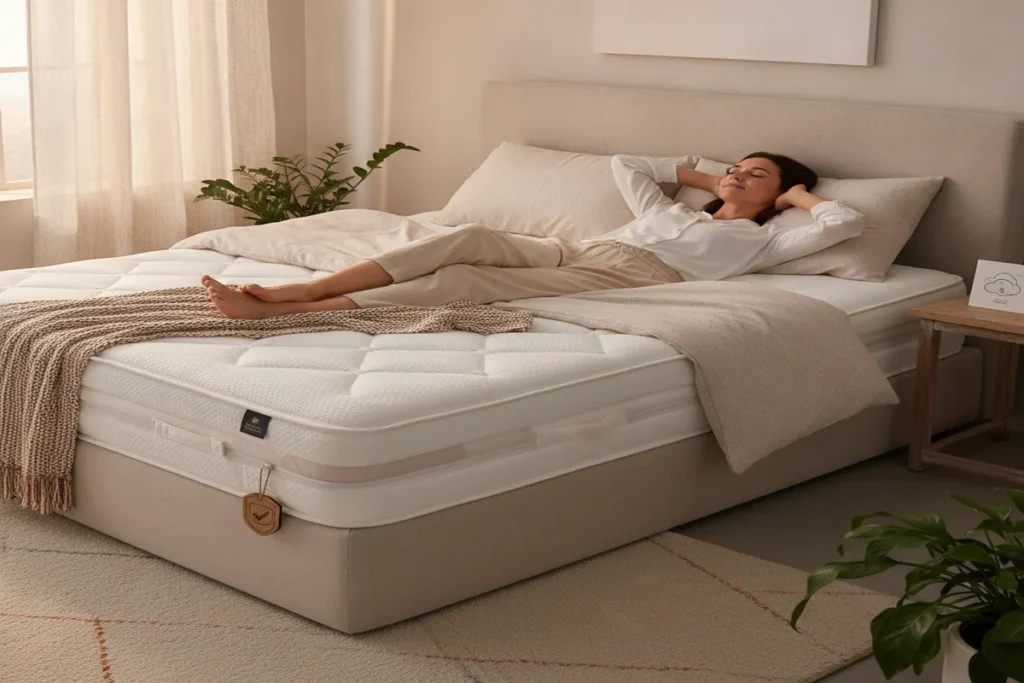

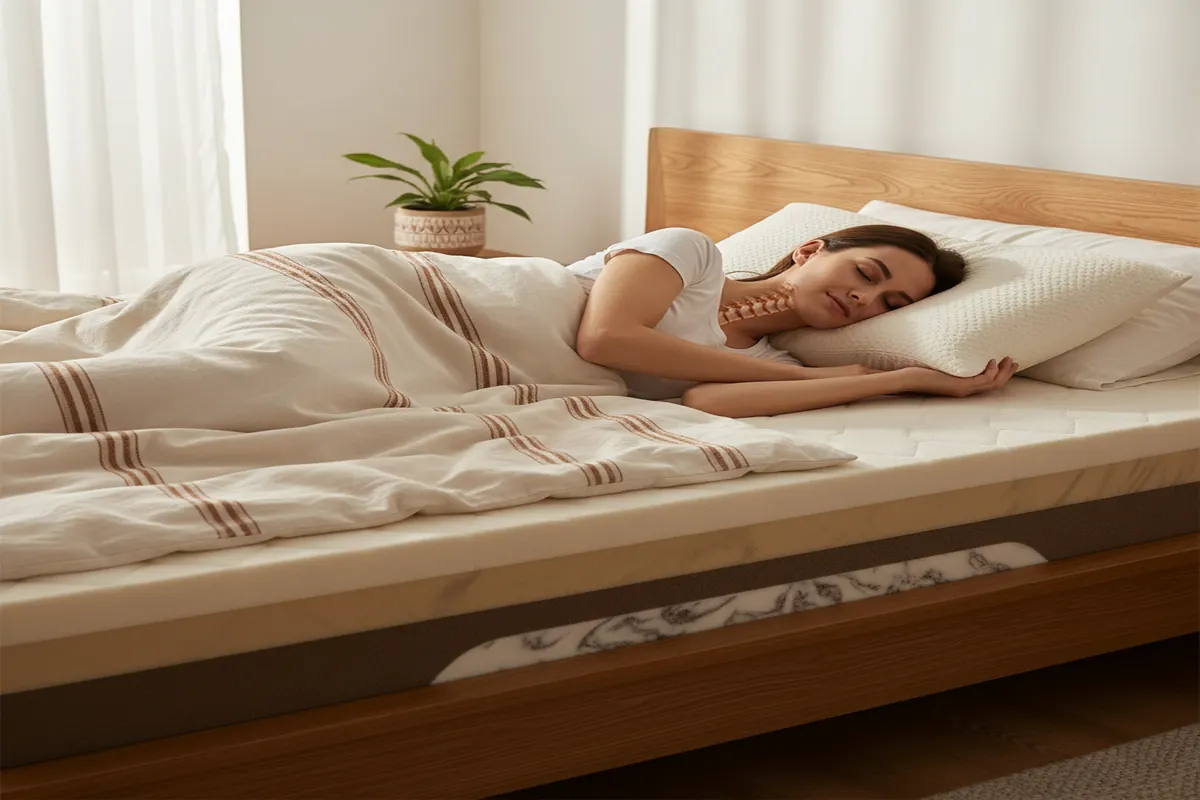
For individuals living with scoliosis, selecting the right mattress is paramount for alleviating discomfort and promoting healthy sleep. A foam mattress for people with scoliosis offers unique advantages, primarily through its ability to contour precisely to the body’s curves, providing consistent support and pressure relief where it’s most needed. This targeted support helps maintain neutral spinal alignment, reducing strain on affected areas and contributing to a more restorative night’s sleep.
Quick Summary
- A foam mattress for scoliosis prioritizes pressure relief and consistent spinal alignment
- Memory foam and latex foam are top contenders due to their contouring properties
- Balanced firmness is crucial, avoiding mattresses that are too soft or excessively firm
- Look for zoned support and certifications for quality and safety
What Makes a Foam Mattress Ideal for Scoliosis Sufferers?
Scoliosis, a condition characterized by an abnormal curvature of the spine, often leads to uneven pressure points, muscle fatigue, and chronic pain. Traditional innerspring mattresses can sometimes exacerbate these issues by failing to provide uniform support across the body’s unique contours. This is where foam mattresses, particularly those made with memory foam or latex foam, shine. Their inherent properties are uniquely suited to address the specific challenges faced by individuals with scoliosis.
Here’s why foam mattresses are often recommended:
-
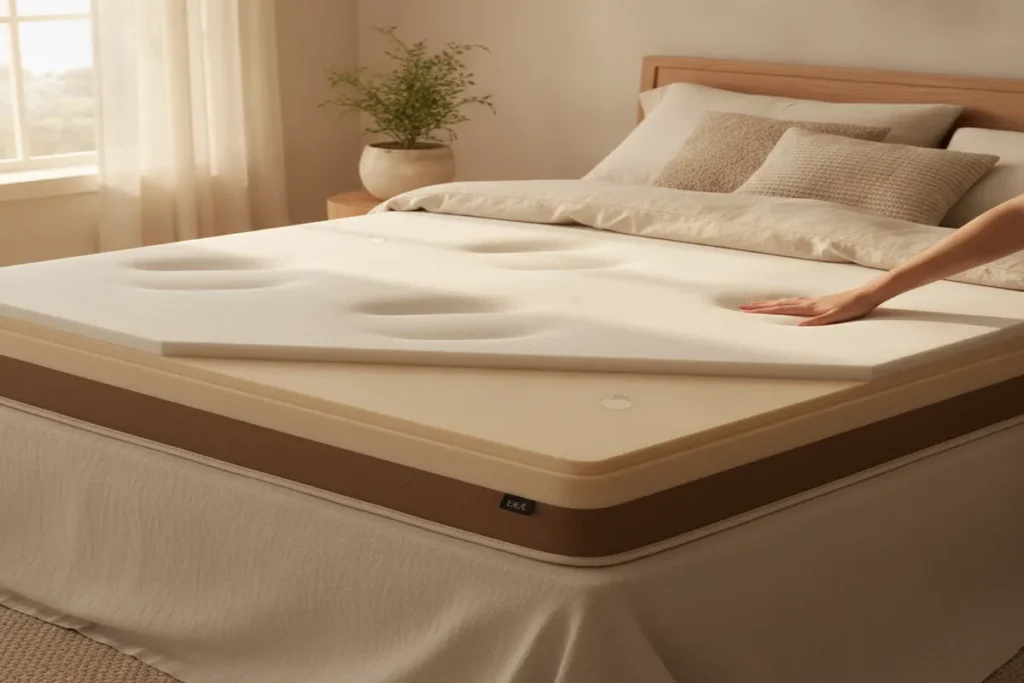
Exceptional Contouring: Foam, especially memory foam, excels at conforming to the body’s shape. For someone with scoliosis, this means the mattress can fill the gaps created by spinal curves, providing continuous support to every inch of the back, hips, and shoulders. This prevents pressure points from forming and helps distribute body weight evenly.
-
Superior Pressure Relief: Uneven spinal curvature can lead to pressure buildup in specific areas. Foam mattresses cushion these sensitive spots, significantly reducing pressure on joints and muscles. This relief is crucial for minimizing pain and discomfort throughout the night.
-
Spinal Alignment Promotion: By contouring to the body, a good foam mattress helps to gently encourage the spine into a more neutral alignment. This doesn’t correct the scoliosis but prevents further strain and supports the spine in its most comfortable position, which is vital for pain management.
-
Motion Isolation: Many foam mattresses, particularly memory foam, absorb motion incredibly well. This is beneficial for partners, as movement on one side of the bed won’t disturb the other. While not directly related to scoliosis support, it contributes to overall sleep quality.
-
Durability and Consistency: High-density foams maintain their supportive properties over time, offering consistent comfort and alignment night after night. This longevity is important for a long-term investment in sleep health.
How Do You Choose the Right Foam Mattress for Your Scoliosis?
Choosing the ideal foam mattress for people with scoliosis requires careful consideration beyond just “foam.” The market offers various types of foam, each with distinct characteristics that can impact support, comfort, and longevity. Focusing on specific properties and your personal needs is crucial.
Consider these key criteria when making your selection:
-
Firmness Level: This is perhaps the most critical factor. While it might seem intuitive to choose a very firm mattress for support, an overly firm surface can create new pressure points and fail to contour to your curves. Conversely, a mattress that is too soft will allow your spine to sink out of alignment.
- Recommendation: A medium-firm to firm mattress is often ideal. It should feel supportive, preventing excessive sinking, yet soft enough to cradle your body’s unique contours and provide pressure relief.
-
Material Type: The two primary foam types to consider are memory foam and latex foam.
- Memory Foam: Known for its slow response and deep contouring. It “remembers” your shape, offering personalized support.
- Latex Foam: Offers a bouncier, more responsive feel than memory foam. It contours well but with a quicker recovery, providing a floating sensation. Natural latex is also highly durable and hypoallergenic.
-
Density: Higher density foam generally indicates better durability and support. For memory foam, look for densities typically above 4 lbs/cu.ft. for the comfort layers. For latex, density also correlates with firmness.
-
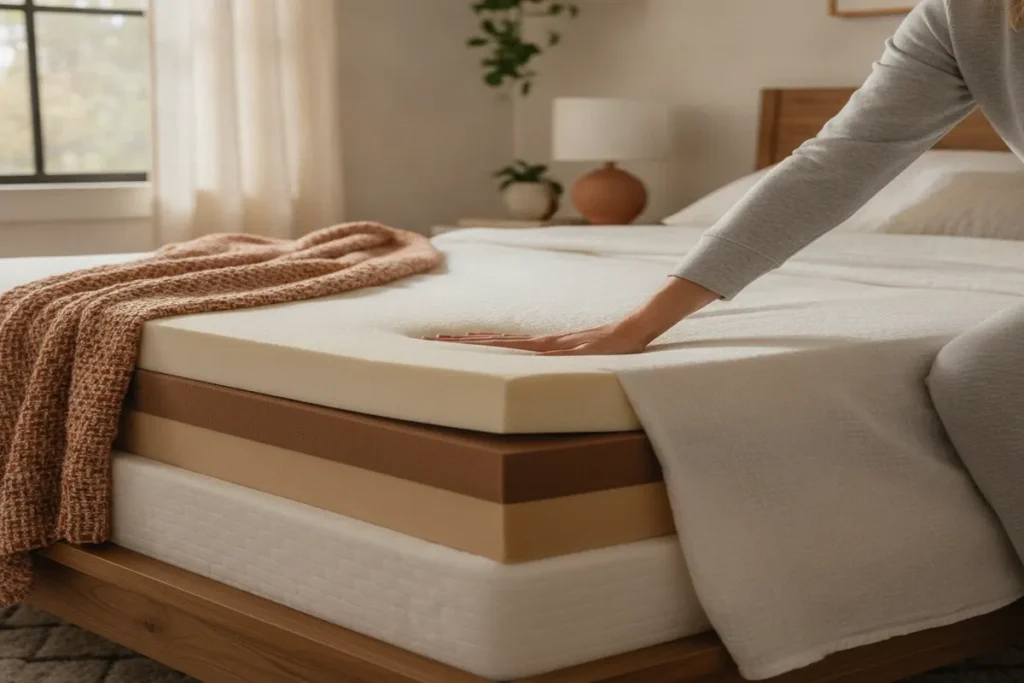
Thickness and Layer Construction: A mattress with multiple layers of foam, each serving a different purpose (e.g., a firmer base layer for support, softer top layers for pressure relief), often provides the best balance. A total thickness of 10-12 inches or more is generally recommended for adequate support.
-
Zoned Support: Some foam mattresses feature different firmness levels in various zones to provide targeted support for heavier body parts (hips, shoulders) and lighter areas (head, feet). This can be particularly beneficial for spinal alignment in scoliosis.
-
Breathability: Foam can sometimes retain heat. Look for foams infused with gel, graphite, or copper, or those with open-cell structures, to promote airflow and regulate temperature. Latex foam is naturally more breathable.
-
Certifications: Check for certifications like CertiPUR-US (for memory foam) or OEKO-TEX (for all textiles) to ensure the foam is free from harmful chemicals and meets strict health and environmental standards.
-
Trial Period and Warranty: A generous in-home trial period (e.g., 90-120 nights) is essential. It allows you to test the mattress in your own environment to ensure it provides the comfort and support you need for your scoliosis. A strong warranty (typically 10+ years) reflects manufacturer confidence in durability.
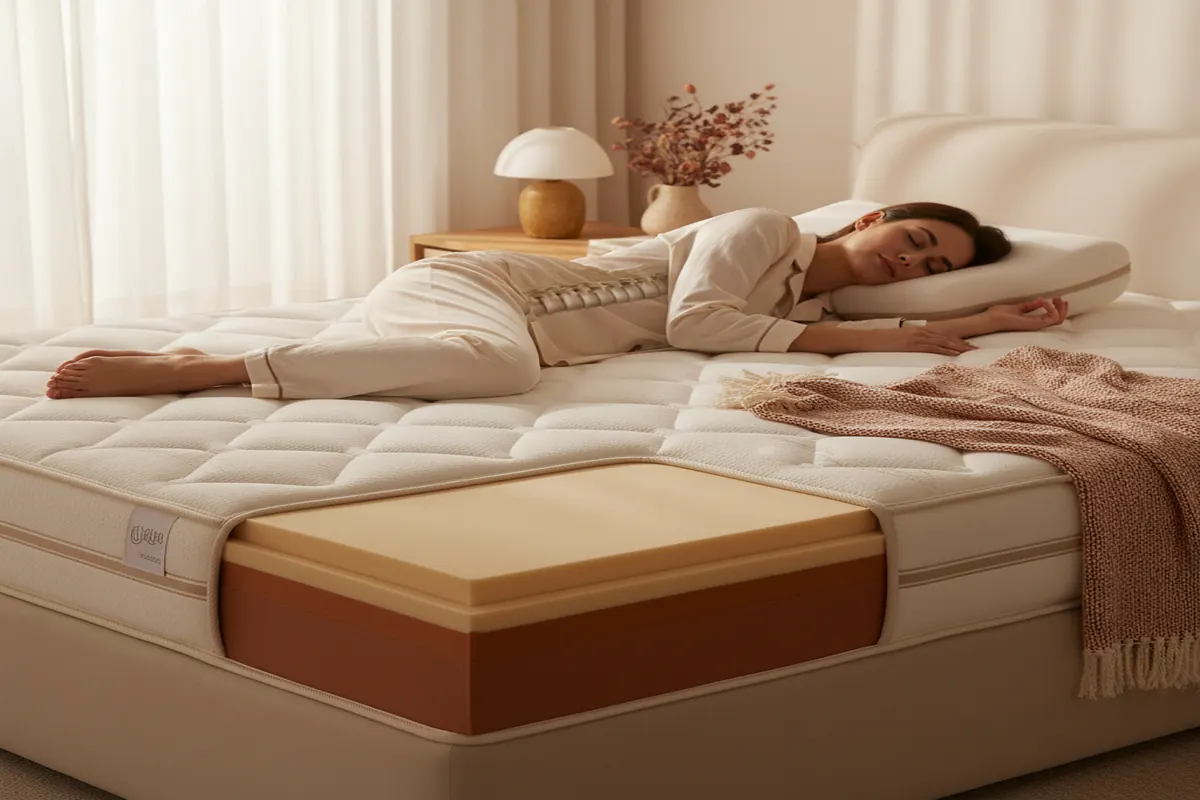
Memory Foam vs. Latex Foam: Which is Better for Scoliosis Support?
When it comes to foam mattress for people with scoliosis materials, the debate often centers around memory foam and latex foam. Both are excellent choices, but they offer distinct experiences. Understanding their differences is key to making an informed decision tailored to your specific needs.
Here’s a detailed comparison:
Which one is “better”?
-
Choose Memory Foam if: You prefer a deep, cradling sensation, have specific pressure points that need precise contouring, and value excellent motion isolation. Modern memory foams have largely addressed the heat retention issue.
-
Choose Latex Foam if: You prefer a bouncier, more responsive feel, sleep warmer, have allergies, or prioritize a natural, eco-friendly product with exceptional durability.
Many high-quality mattresses, including some from Sinyora Yatak‘s Mattress Collection, combine layers of different foams to leverage the best properties of each, offering a balanced feel and superior support. For example, a Visco Foam Mattress (Sinyora’s term for memory foam) combined with other supportive layers can provide an optimal solution.
Common Mistakes to Avoid When Buying a Foam Mattress for Scoliosis
Navigating the mattress market, especially with a specific condition like scoliosis, can be tricky. Many buyers make common errors that can lead to dissatisfaction or even worsen discomfort. Being aware of these pitfalls can save you time, money, and most importantly, your sleep health.
Here are the common mistakes to steer clear of:
-
Mistake 1: Assuming “Firm” Always Means “Better Support”
- Why it’s a mistake: While support is crucial, an overly firm mattress doesn’t contour to your spinal curves. This can create pressure points and leave parts of your spine unsupported, leading to increased pain.
- Correction: Aim for a medium-firm feel that provides robust support with adequate contouring and pressure relief. The goal is spinal alignment, not just rigidity.
-
Mistake 2: Neglecting the Importance of a Trial Period
- Why it’s a mistake: You can’t truly evaluate a mattress in a showroom in a few minutes. Your body needs time to adjust, and you need to experience it over several nights.
- Correction: Always opt for mattresses with a generous in-home sleep trial (at least 90 nights). This allows you to return or exchange it if it’s not the right fit for your scoliosis.
-
Mistake 3: Overlooking Your Specific Scoliosis Severity and Sleep Position
- Why it’s a mistake: A mild curve might require different support than a severe one. Similarly, side sleepers have different needs than back or stomach sleepers. A generic “best mattress” won’t suffice.
- Correction: Consider your individual curvature and primary sleep position. Side sleepers with scoliosis often need more pressure relief at the shoulders and hips, while back sleepers need consistent lumbar support.
-
Mistake 4: Prioritizing Price Over Quality and Health Benefits
- Why it’s a mistake: A cheap foam mattress might use low-density, poor-quality foams that quickly sag, offering inadequate support and potentially exacerbating your pain.
- Correction: View a mattress as an investment in your health. Quality materials, proper construction, and certifications (like CertiPUR-US for foam) ensure durability and effective support.
-
Mistake 5: Not Considering Breathability and Temperature Regulation
- Why it’s a mistake: Some traditional foam mattresses can trap heat, leading to uncomfortable night sweats, which disrupts sleep quality.
- Correction: Look for modern foam technologies like open-cell memory foam, gel infusions, or naturally breathable latex foam to ensure a cool and comfortable sleep environment.
-
Mistake 6: Failing to Consult with a Healthcare Professional
- Why it’s a mistake: While mattress experts can guide you, your doctor or physical therapist has the best understanding of your specific spinal condition.
- Correction: Discuss your mattress choice with your healthcare provider. They might offer insights into specific support needs or areas to avoid based on your scoliosis.
Avoiding these common pitfalls will significantly increase your chances of finding a foam mattress for people with scoliosis that truly provides comfort, support, and pain relief.
Beyond Firmness: Understanding the Role of Pressure Relief and Spinal Alignment
While firmness is often the first characteristic people consider, for individuals with scoliosis, pressure relief and spinal alignment are the twin pillars of effective mattress support. These concepts are intrinsically linked and dictate how well a mattress can alleviate pain and promote restorative sleep.
Let’s delve deeper into their critical roles:
-
Pressure Relief Explained:
- Scoliosis causes the spine to curve, creating uneven weight distribution across the body. This leads to certain areas (like the convex side of the curve, hips, or shoulders) bearing more pressure than others.
- A mattress with excellent pressure relief cushions these high-pressure points, preventing the sensation of “bottoming out” or direct contact with a hard surface.
- Foam mattresses achieve this by conforming precisely to the body’s contours, distributing weight over a larger surface area. This reduces localized pressure, improves blood circulation, and minimizes nerve impingement, which are common sources of pain for scoliosis sufferers.
- Practical Impact: Less tossing and turning, reduced morning stiffness, and fewer aches and pains throughout the day.
-
Spinal Alignment Explained:
- The goal of any supportive mattress, especially for scoliosis, is to help maintain the spine in its most neutral and natural position as much as possible, regardless of the existing curvature.
- For a person with scoliosis, this means the mattress should gently support the natural S-curves (or C-curves) without forcing the spine into an unnatural position or allowing it to sag.
- Achieving proper alignment involves the mattress filling the gaps created by the body’s curves (e.g., the lumbar region for back sleepers, or the space between the waist and mattress for side sleepers) while also preventing heavier parts like the hips and shoulders from sinking too deeply.
- Practical Impact: Reduced strain on ligaments and muscles, decreased nerve compression, and a more relaxed posture during sleep, preventing the aggravation of the spinal condition.
How Foam Mattresses Deliver:
High-quality Visco Foam Mattresses (memory foam) and Latex Foam Mattresses are particularly adept at delivering both pressure relief and spinal alignment simultaneously.
-
Memory foam’s viscoelastic properties allow it to slowly conform to every curve, providing a custom mold that distributes pressure evenly and keeps the spine aligned.
-
Latex foam’s inherent elasticity and responsiveness offer buoyant support that pushes back against the body, maintaining alignment while still cushioning pressure points effectively.
When evaluating a foam mattress, don’t just push down on it with your hand. Lie on it for an extended period, pay attention to how your spine feels, and notice if any areas feel compressed or unsupported. This holistic approach ensures you find a mattress that truly understands and addresses the complex needs of a scoliotic spine.
Tailoring Your Foam Mattress Choice to Your Scoliosis Severity and Sleep Position
The “best” foam mattress for scoliosis isn’t a one-size-fits-all solution. Your individual needs are heavily influenced by the severity of your scoliosis and your preferred sleep position. Understanding these nuances allows for a much more targeted and effective mattress selection.
Considering Scoliosis Severity:
-
Mild Scoliosis (e.g., Cobb angle < 20 degrees):
- Focus: Preventative support and comfort.
- Recommendation: A medium-firm foam mattress that offers good contouring and pressure relief. The goal is to avoid any mattress that could exacerbate minor discomforts or lead to poor sleep posture. Both quality memory foam and latex foam can be excellent choices.
-
Moderate Scoliosis (e.g., Cobb angle 20-40 degrees):
- Focus: Consistent, adaptive support to accommodate more pronounced curves and alleviate existing pain.
- Recommendation: A slightly firmer foam mattress with enhanced zoned support. Look for mattresses that can cradle deeper curves without creating new pressure points. Visco Foam Mattresses are often highly effective due to their precise contouring, while a Latex Foam Mattress can offer resilient, adaptive support.
-
Severe Scoliosis (e.g., Cobb angle > 40 degrees, potentially requiring bracing or surgery history):
- Focus: Maximum pressure relief, highly adaptive support, and stable spinal alignment.
- Recommendation: A high-density, multi-layered foam mattress, potentially with an integrated topper for extra cushioning. Customization might be beneficial. Consulting with a specialist (doctor or physical therapist) is paramount here. The mattress must be able to accommodate significant curves without causing discomfort or instability. Pressure-relieving Visco Topper or Latex Topper options can be considered to enhance an already supportive base.
Adapting to Your Sleep Position:
-
Side Sleepers with Scoliosis:
- Challenge: Maintaining spinal alignment, especially in the lumbar region, while providing ample cushioning for the shoulders and hips to prevent pressure points. The mattress must allow these heavier parts to sink just enough.
- Recommendation: A medium-soft to medium foam mattress with excellent contouring. Memory foam is often a top choice here due to its ability to cradle the shoulders and hips deeply, keeping the spine relatively straight. A Visco Pillow or Latex Pillow (Natural) with good neck support is also crucial to align the head and neck with the spine.
-
Back Sleepers with Scoliosis:
- Challenge: Ensuring consistent support for the entire length of the spine, particularly the natural curve of the lower back (lumbar region), and preventing the hips from sinking too far.
- Recommendation: A medium-firm foam mattress that provides targeted lumbar support. Both memory foam and latex foam can work well, but ensure the mattress doesn’t create a gap under your lower back or allow your hips to sink excessively. Zoned support can be highly beneficial.
-
Stomach Sleepers with Scoliosis:
- Challenge: This position is generally not recommended for scoliosis as it can over-arch the spine and strain the neck.
- Recommendation: If you absolutely must sleep on your stomach, choose a firmer foam mattress to prevent your hips from sinking too low, which can exacerbate lumbar curvature. Consider using a very flat pillow or no pillow at all to keep your neck as neutral as possible. Ideally, try to transition to side or back sleeping.
By carefully evaluating your personal scoliosis presentation and sleep habits, you can narrow down your choices and find a foam mattress that truly supports your journey towards better sleep and reduced pain.
Your Checklist for Selecting a High-Quality Foam Mattress for Scoliosis
Making an informed decision about a mattress for scoliosis can feel overwhelming. This practical checklist provides a step-by-step framework to guide you through the selection process, ensuring you cover all critical aspects before making a purchase.
-
Consult Your Healthcare Provider:
- Action: Discuss your mattress needs with your doctor or physical therapist.
- Goal: Get specific recommendations regarding firmness, support zones, or materials based on your unique spinal curvature and medical history.
-
Determine Your Ideal Firmness Level:
- Action: Aim for a medium-firm to firm feel. Avoid anything too soft that causes sagging or too hard that creates pressure points.
- Goal: Find the sweet spot that offers both support and contouring.
-
Choose Your Preferred Foam Type:
- Action: Decide between memory foam (deep contouring, pressure relief) and latex foam (responsive, breathable, durable) based on your comfort preferences and specific needs (e.g., heat sensitivity, allergies).
- Goal: Select a material that aligns with your desired sleep experience and support requirements.
-
Evaluate Mattress Construction and Density:
- Action: Look for multi-layered designs with high-density foams in the core and comfort layers. A thickness of 10-12 inches or more is generally good.
- Goal: Ensure long-lasting support and comfort without premature sagging.
-
Prioritize Zoned Support and Pressure Relief:
- Action: Check if the mattress offers different firmness zones to support various body parts optimally. Focus on how it cradles your shoulders, hips, and lumbar region.
- Goal: Achieve optimal spinal alignment and minimize pressure on sensitive areas.
-
Consider Breathability and Temperature Regulation:
- Action: Look for features like open-cell foam, gel infusions, or natural latex to prevent heat retention.
- Goal: Ensure a cool and comfortable sleep environment throughout the night.
-
Verify Certifications:
- Action: Check for CertiPUR-US (for memory foam) or OEKO-TEX (for all textiles) to confirm the absence of harmful chemicals.
- Goal: Guarantee a safe and healthy sleep environment.
-
Review the Sleep Trial and Warranty:
- Action: Ensure the mattress comes with a substantial in-home trial (e.g., 90-120 nights) and a comprehensive warranty (10+ years).
- Goal: Protect your investment and allow sufficient time to evaluate the mattress’s suitability for your scoliosis.
-
Don’t Forget Your Pillow:
- Action: Select a pillow that complements your mattress and sleep position, ensuring proper neck and head alignment. A Visko Pillows Neck Support or Latex Pillows Neck Support could be beneficial.
- Goal: Complete your sleep system for full spinal alignment from head to toe.
By systematically working through this checklist, you can confidently select a foam mattress for people with scoliosis that provides the critical support, comfort, and relief needed for improved sleep quality and overall well-being.
Expert Insight
“The primary challenge for individuals with scoliosis when choosing a mattress is finding a surface that offers both unwavering support and adaptive contouring,” says industry experts. “It’s a delicate balance. Too firm, and you create new pressure points; too soft, and you lose critical spinal alignment. Modern foam technologies, especially high-density memory and latex foams with zoned support, are engineered to meet this precise demand, offering a personalized sleep surface that can significantly mitigate pain and improve sleep quality.”
Key Terms
-
Scoliosis: An abnormal, sideways curvature of the spine, often diagnosed in childhood or adolescence, which can lead to uneven shoulders, hips, and back pain.
-
Memory Foam (Visco Foam): A viscoelastic polyurethane foam that responds to body heat and pressure, slowly conforming to the sleeper’s shape to provide deep contouring and pressure relief.
-
Latex Foam: A highly durable and responsive foam made from the sap of rubber trees (natural latex) or synthetic materials. It offers a buoyant feel with good contouring and breathability.
-
Spinal Alignment: The natural, healthy positioning of the spine, where its curves are maintained without excessive bending, twisting, or sagging, crucial for minimizing strain and pain.
-
Lumbar Support: Targeted support for the lower back (lumbar region) to maintain its natural inward curve, which is essential for preventing back pain, especially for back and side sleepers.
How Can You Upgrade to More Comfortable Sleep with Sinyora Yatak?
At Sinyora Yatak, we understand the profound impact a truly supportive mattress can have on individuals with specific needs, including those with scoliosis. Our expertise in crafting high-quality Turkish Mattresses combines traditional craftsmanship with advanced foam technologies to deliver exceptional comfort and orthopedic support. Explore our diverse Mattress Collection, featuring cutting-edge Visco Foam Mattress and Latex Foam Mattress options designed to contour precisely to your body, alleviate pressure points, and promote optimal spinal alignment.
Whether you seek the deep, cradling comfort of a Visco Foam Mattress or the responsive, breathable support of a Latex Foam Mattress, Sinyora Yatak offers solutions engineered for your well-being. Our commitment to quality extends to our Pillow Collection and Topper Collection, ensuring you can build a complete sleep system tailored to your unique requirements. Discover the difference of a mattress meticulously designed for superior sleep. Visit our Buying Guides or Contact Us for Support to find your perfect match and experience the renowned comfort that makes Turkish Mattresses Special.
Frequently Asked Questions
Q: Can a foam mattress correct scoliosis?
Q: What firmness level should I look for in a foam mattress for scoliosis?
Q: Is memory foam or latex foam better for scoliosis?
Q: How important is a sleep trial when buying a foam mattress for scoliosis?
Q: Should I use a mattress topper with my foam mattress if I have scoliosis?
Q: Are there specific pillows recommended for people with scoliosis using a foam mattress?