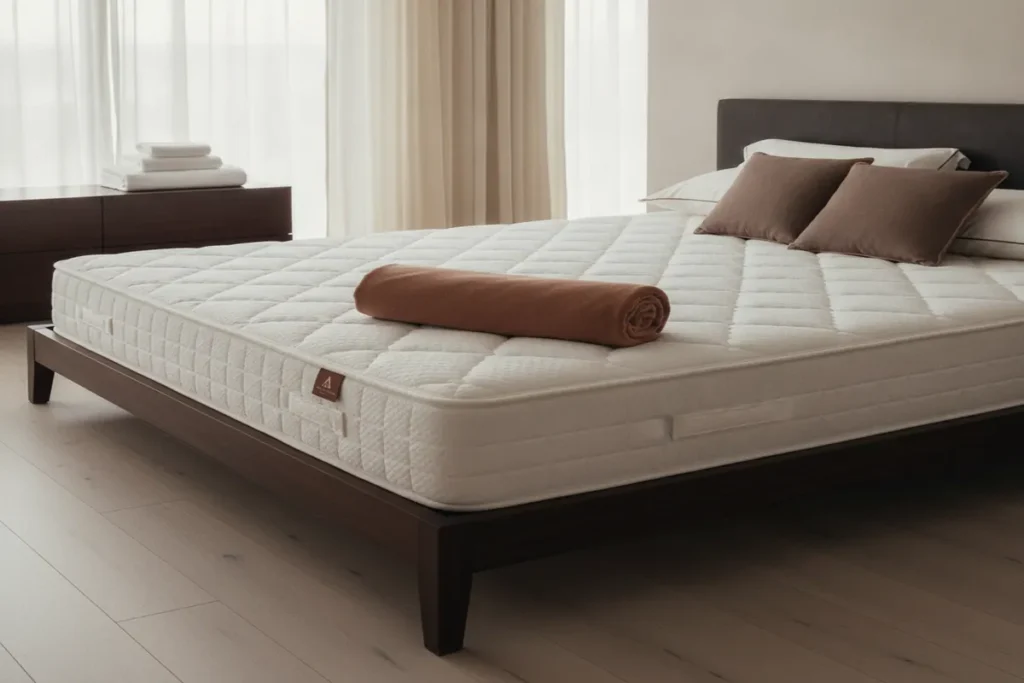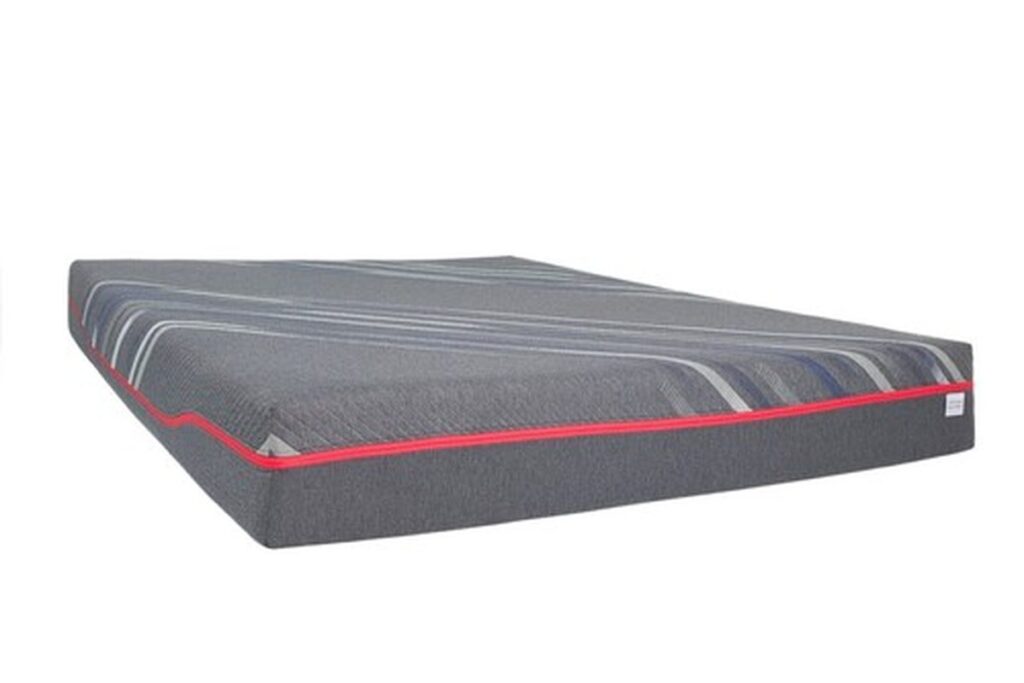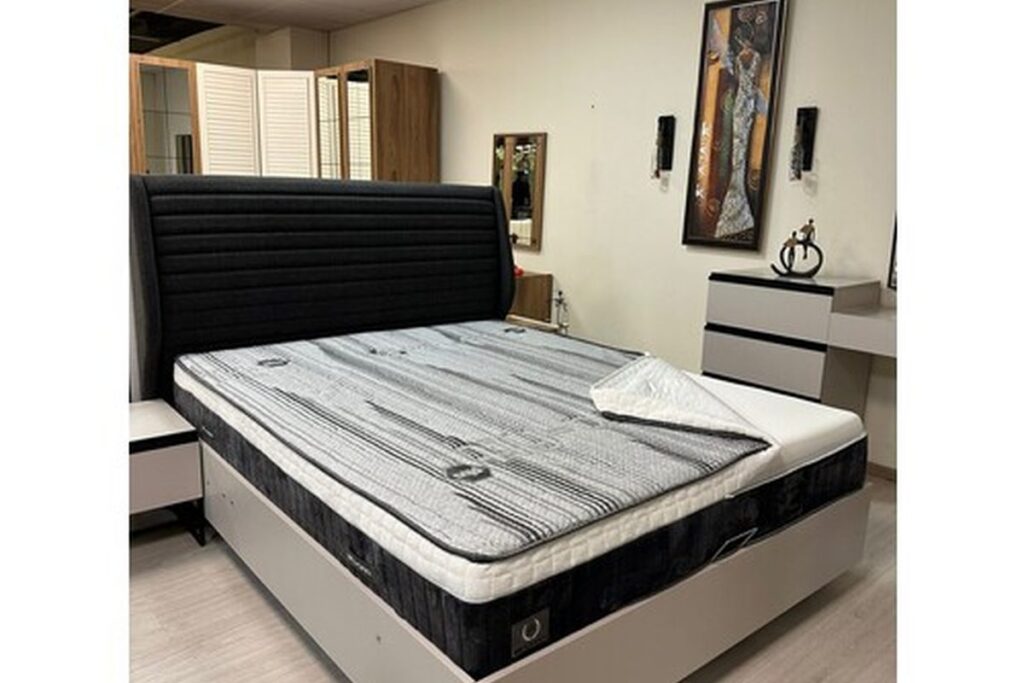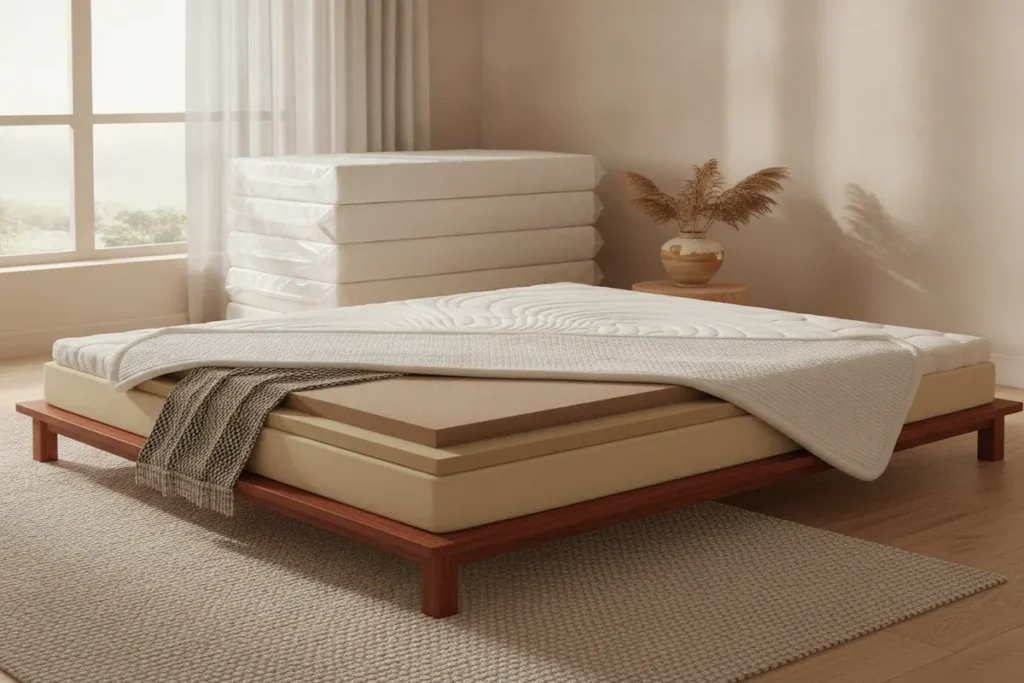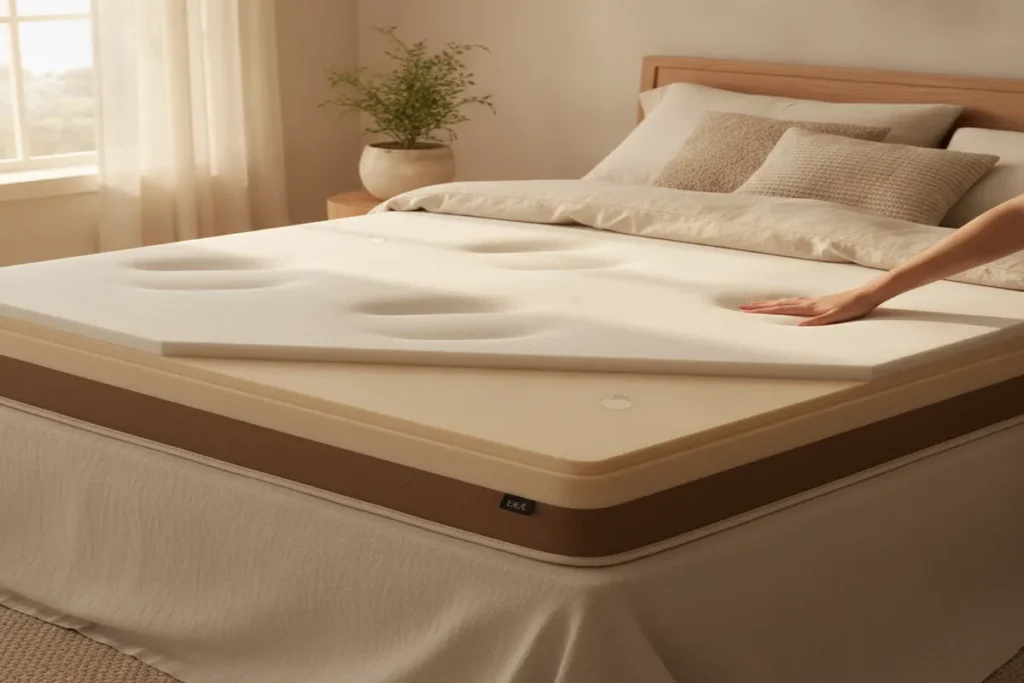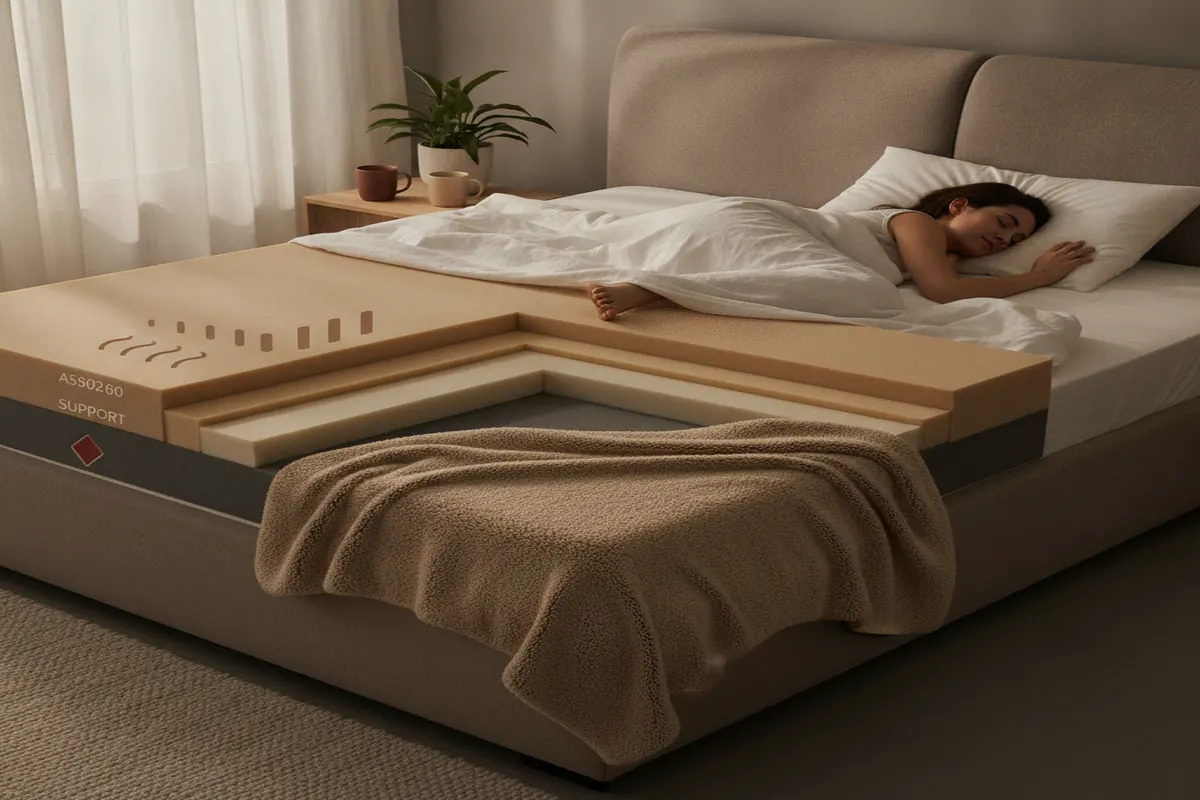
Foam mattresses, a diverse category encompassing memory foam, latex, and polyfoam, are celebrated for their exceptional pressure relief and motion isolation, making them ideal for couples and those with joint pain. However, potential drawbacks include heat retention, initial off-gassing, and varying durability depending on the foam type and density. Understanding these core advantages and disadvantages, alongside the distinct characteristics of each foam variant, is crucial for selecting a mattress that perfectly aligns with your sleep preferences and long-term comfort needs.
Quick Summary
- Foam mattresses excel in pressure relief and motion isolation
- they can retain heat and have initial off-gassing
- various types like memory foam and latex offer distinct benefits
- durability varies significantly by material and density
What Exactly Are Foam Mattresses, and Why Are They So Popular?
At its core, a foam mattress refers to any mattress primarily constructed from various types of foam, rather than springs or coils. This broad category has revolutionized the sleep industry by offering a distinct feel and performance profile compared to traditional innerspring models. Their rise to popularity stems from several key innovations and benefits that resonate with modern sleepers seeking personalized comfort and therapeutic support.
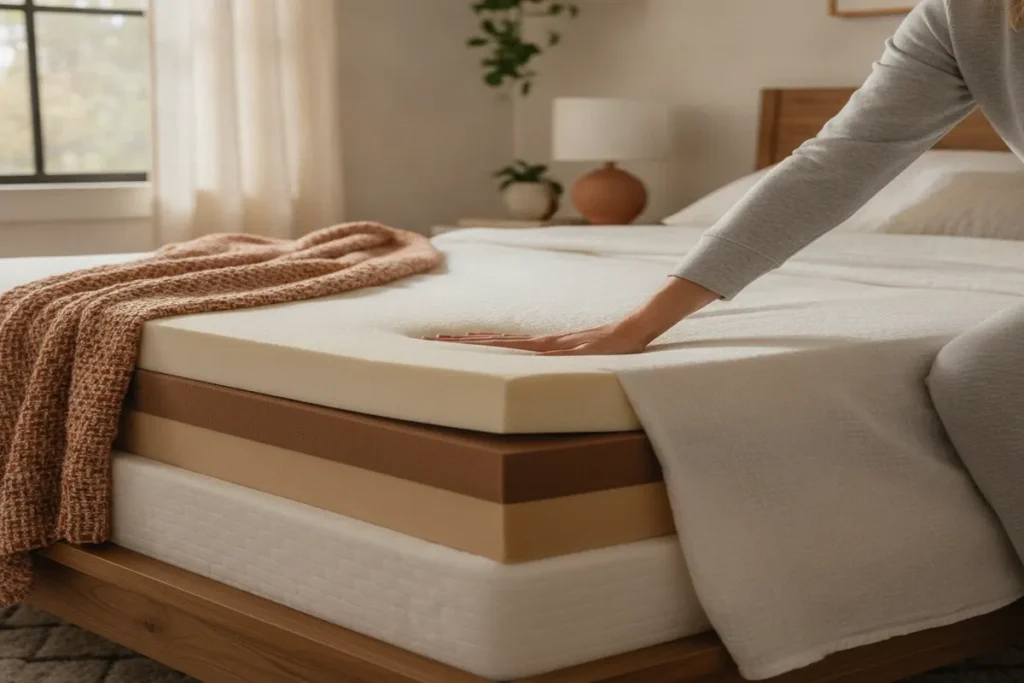
The journey began with memory foam, originally developed by NASA in the 1960s. Its unique viscoelastic properties, allowing it to soften with body heat and contour precisely to the sleeper’s shape, quickly found a home in medical applications before transitioning to the broader consumer market. This marked a significant shift towards mattresses designed for adaptive support and pressure point relief.
Today, the term “foam mattress” extends beyond just memory foam to include:
-
Viscoelastic Foam (Memory Foam): Known for its slow response, deep contouring, and excellent pressure relief. It cradles the body, distributing weight evenly.
-
Latex Foam: Derived from rubber trees (natural latex) or synthesized (synthetic latex). It offers a buoyant, responsive feel, good breathability, and exceptional durability.
-
Polyurethane Foam (Polyfoam): A more common and generally less expensive foam, often used as a base layer or comfort layer in many mattresses. It comes in various densities and firmness levels.
-
Hybrid Mattresses: While not purely foam, many popular hybrid models combine foam comfort layers (memory foam, latex, or polyfoam) with an innerspring support core. This blend aims to capture the best of both worlds: the contouring comfort of foam and the responsive support of coils.
The widespread appeal of foam mattresses, particularly those featuring advanced memory foam or natural latex, lies in their ability to deliver a sleep experience that prioritizes personalized comfort, minimizes disturbances, and often alleviates common sleep-related discomforts.
What Are the Core Benefits of Choosing a Foam Mattress?
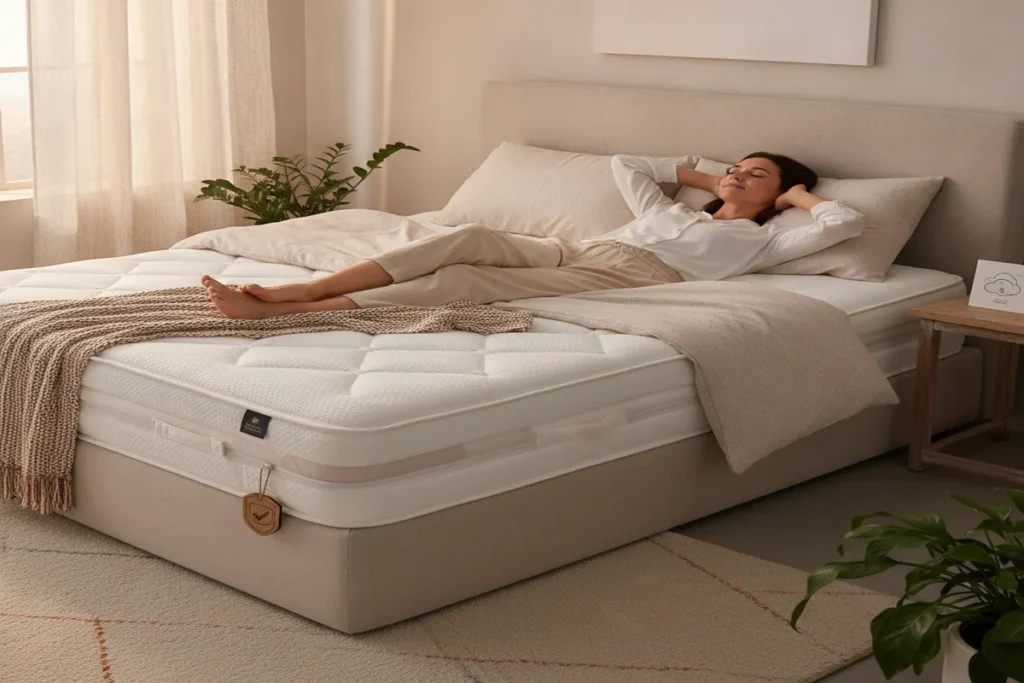
Foam mattresses have earned their strong reputation by offering a suite of advantages that address common sleep complaints and enhance overall restfulness. For many sleepers, these benefits translate directly into deeper, more restorative sleep.
Here are the primary pros that make foam mattresses a compelling choice:
-
Exceptional Pressure Relief: This is arguably the most significant advantage. Foam, especially memory foam, excels at conforming to the body’s curves, distributing weight evenly and reducing pressure points on areas like shoulders, hips, and knees. This is particularly beneficial for:
- Side sleepers, who often experience pressure on their hips and shoulders.
- Individuals with joint pain, arthritis, or fibromyalgia.
- Those recovering from injuries or surgery.
- Real-world impact: Imagine waking up without the pins-and-needles sensation in your arm or the dull ache in your lower back – this is the promise of good pressure relief.
-
Superior Motion Isolation: Foam absorbs movement rather than transferring it across the mattress. This means if your partner tosses and turns, gets in or out of bed, or even has a pet jump up, you’re far less likely to feel it.
- Practical benefit: Couples with different sleep schedules or restless partners often find foam mattresses transformative for uninterrupted sleep.
-
Excellent Support and Spinal Alignment: Quality foam mattresses provide consistent support that helps keep the spine in a neutral alignment. Unlike some spring mattresses that can create pressure points or “hammocking” over time, foam adapts to your natural spinal curvature.
- Health implication: Proper spinal alignment can reduce back pain, improve posture, and alleviate muscle stiffness.
-
Hypoallergenic Properties (Especially Latex and Denser Foams): Many foam types, particularly natural latex, are inherently resistant to dust mites, mold, and mildew. Denser memory foams also create a less hospitable environment for allergens compared to open-coil spring mattresses.
- Benefit for allergy sufferers: Can significantly improve air quality in the bedroom and reduce allergy symptoms.
-
Durability and Longevity (High-Quality Foams): While often debated, high-density memory foam and natural latex mattresses are known for their impressive durability. They resist sagging and impressions better than many lower-quality innerspring mattresses, maintaining their supportive properties for many years.
- Investment perspective: A high-quality foam mattress can be a long-term investment in your sleep health. Our Turkish Mattress Lifespan often exceeds expectations due to superior foam density and construction.
-
Quiet Operation: Without springs to creak or squeak, foam mattresses are virtually silent, contributing to a peaceful sleep environment.
Why Do Some People Find Foam Mattresses Disappointing? Addressing the Cons
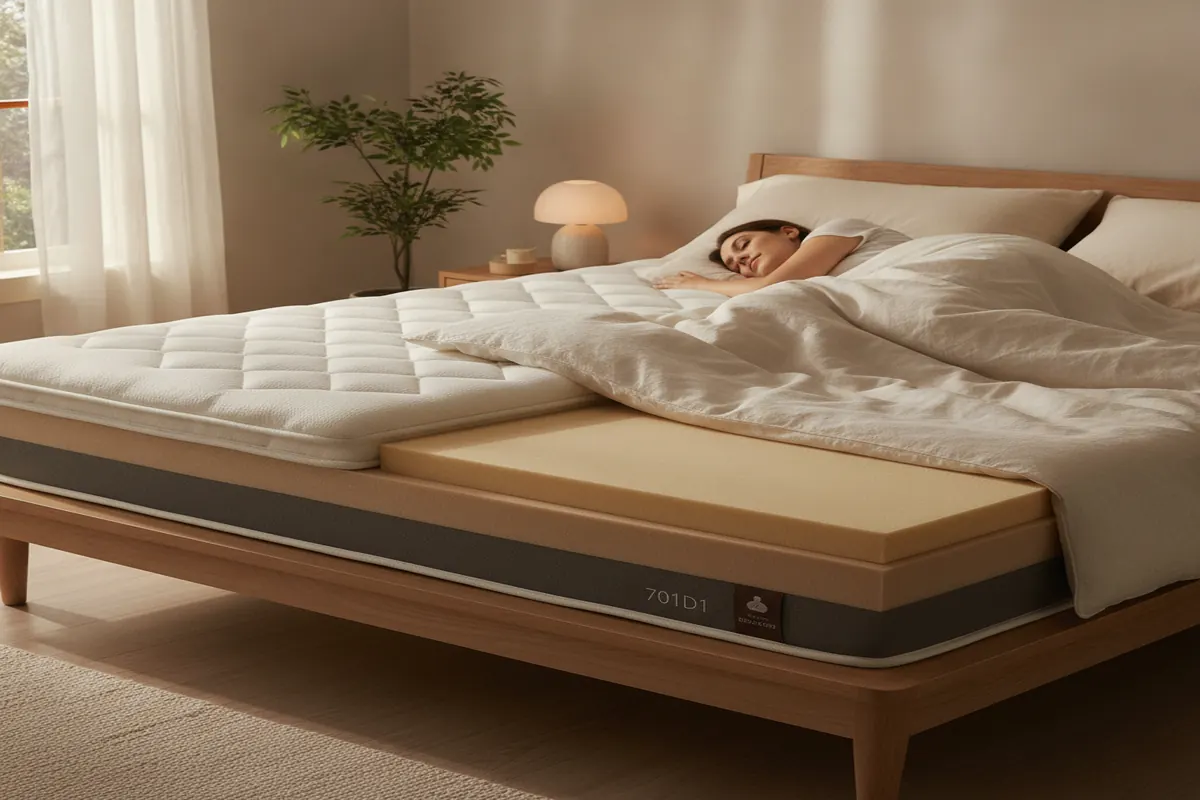
While the benefits of foam mattresses are substantial, they aren’t without their drawbacks. Understanding these potential negatives is crucial for managing expectations and making an informed purchase. Many common complaints can be mitigated with the right choices or simply by understanding the nature of foam.
Here are the key cons often associated with foam mattresses:
-
Heat Retention: This is perhaps the most common complaint, particularly with traditional, dense memory foam. Memory foam’s conforming nature means more of your body is in contact with the mattress, reducing airflow around you.
- Why it happens: Older generation memory foams were less breathable.
- Modern solutions: Many manufacturers, including Sinyora Yatak, now incorporate cooling technologies like open-cell foam, gel infusions, copper, graphite, or phase-change materials to dissipate heat more effectively. Our Visco Foam Mattress often integrates such advancements.
-
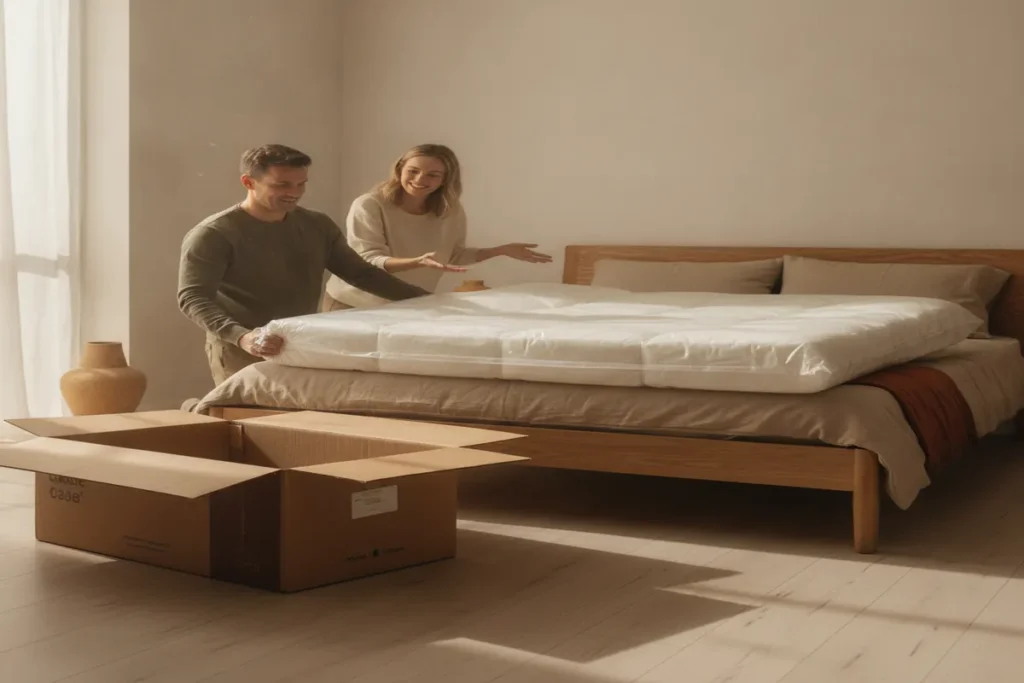
Off-Gassing (Initial Odor): New foam mattresses, especially those made from synthetic foams, can release a temporary chemical odor, often described as “new car smell,” for a few days or weeks after unboxing. This phenomenon is known as off-gassing.
- Cause: Volatile Organic Compounds (VOCs) released during the curing process.
- Mitigation: Most modern foams are certified to be low-VOC (e.g., CertiPUR-US certified). The odor is generally harmless and dissipates with proper ventilation. Airing out the mattress in a well-ventilated room for 24-72 hours typically resolves the issue.
-
Slow Response Time (Traditional Memory Foam): While excellent for contouring, traditional memory foam can have a slow recovery time. This means it takes a moment for the foam to regain its original shape after you move, which can make changing positions feel like “sleeping in quicksand” for some.
- Who it affects: Restless sleepers or those who struggle to move easily in bed.
- Alternatives: Faster-responding memory foams, latex foam, or hybrid mattresses offer more bounce.
-
Weight and Difficulty Moving: Foam mattresses, especially denser models, can be heavy and unwieldy, making them difficult to move, rotate, or set up.
- Practical consideration: Plan for assistance when moving a foam mattress.
-
“Stuck” Feeling (Deep Contouring): For some, the deep contouring and cradling sensation of memory foam can feel restrictive, leading to a sensation of being “stuck” in the mattress rather than sleeping “on” it.
- Preference issue: This is highly subjective. Those who prefer a more responsive, “on-the-bed” feel might prefer latex or a hybrid.
-
Cost (High-Quality Models): While there are affordable polyfoam options, high-quality memory foam and natural latex mattresses can be a significant investment, often costing more upfront than basic innerspring models.
- Long-term value: This higher initial cost is often offset by superior durability and longevity. Consider our Mattress Wholesale in Turkiye options for competitive pricing on quality foam.
Which Type of Foam Mattress is Best for Your Sleep Needs? A Comparison
The term “foam mattress” is a broad umbrella, encompassing several distinct types, each with its unique feel, benefits, and ideal sleeper profile. Understanding the differences between memory foam, latex foam, and polyfoam is crucial for making the best choice.
Memory Foam Mattress: The Contouring Champion
Memory foam mattresses (often referred to as Visco Foam Mattress in our collection) are renowned for their exceptional ability to conform precisely to the body’s shape. This is due to their viscoelastic properties, which allow them to soften with body heat and pressure, cradling the sleeper.
-
Best for:
- Side sleepers: The deep contouring relieves pressure on hips and shoulders.
- Individuals with joint pain or pressure points: Distributes weight evenly, reducing discomfort.
- Couples: Excellent motion isolation ensures undisturbed sleep.
- Those who prefer a “hugged” feeling: Provides a deep, enveloping sensation.
-
Key Characteristics:
- Pressure Relief: Excellent.
- Motion Isolation: Superior.
- Response Time: Slower, can feel like sinking.
- Heat Retention: Can be an issue with traditional foams, but modern versions (gel-infused, open-cell) mitigate this.
- Durability: Good, especially with higher density foams.
- Feel: Soft to medium-firm, contouring, supportive.
Latex Foam Mattress: The Responsive Natural Choice
Latex foam mattresses are made from the sap of rubber trees (natural latex) or synthetic materials. They offer a distinct feel that is often described as buoyant and responsive, rather than deeply contouring.
-
Best for:
- All sleep positions: Offers balanced support and pressure relief.
- Hot sleepers: Generally more breathable and cooler than traditional memory foam.
- Those who prefer a “on-the-bed” feel: Provides bounce and easier movement.
- Eco-conscious buyers: Natural latex is a sustainable material.
- Allergy sufferers: Naturally hypoallergenic and resistant to dust mites.
-
Key Characteristics:
- Pressure Relief: Excellent, but with a more generalized contour.
- Motion Isolation: Good, but slightly less than memory foam.
- Response Time: Fast, springs back quickly.
- Heat Retention: Very good, excellent airflow.
- Durability: Exceptional, often the most durable foam type.
- Feel: Resilient, buoyant, supportive, can be soft to very firm. Our Latex Foam Mattress offers this unique feel.
Polyfoam Mattress: The Versatile and Affordable Option
Polyurethane foam (polyfoam) is a synthetic foam that comes in a wide range of densities and firmness levels. It’s often used as a base layer in memory foam or latex mattresses, or as the primary material in more budget-friendly foam mattresses and Sponge Topper Mattress options.
-
Best for:
- Budget-conscious buyers: Generally the most affordable foam option.
- Guest rooms or temporary use: Offers decent comfort without a high investment.
- Those who prefer a firmer, more traditional foam feel: Can be manufactured to be quite firm.
-
Key Characteristics:
- Pressure Relief: Good, but less conforming than memory foam or latex.
- Motion Isolation: Good.
- Response Time: Fast to medium.
- Heat Retention: Varies by density, generally good breathability.
- Durability: Fair to good, depending on density. Lower density polyfoam can sag faster.
- Feel: Can vary widely from soft to firm, less “hug” than memory foam.
Here’s a comparison chart to summarize the differences:
How Does Foam Mattress Durability Compare to Other Types?
Foam mattress durability is a critical factor for any buyer, directly impacting the longevity and long-term value of your investment. It’s a common misconception that all foam mattresses are created equal in this regard. In reality, durability varies significantly based on the type of foam, its density, and the overall construction quality.
Compared to traditional innerspring mattresses, high-quality foam mattresses often offer superior durability and sag resistance.
-
Innerspring Mattresses: These mattresses, particularly those with basic Bonnel springs, can develop sagging and impressions more quickly, as individual coils wear out or lose their tension. While Pocket Coils Mattress designs improve durability and motion isolation, the steel can still weaken over time. Our Bonnel Spring Mattress options are engineered for enhanced durability, but foam still offers distinct advantages in certain areas.
-
Hybrid Mattresses: These combine foam comfort layers with a coil support system. Their durability depends on both the quality of the foam and the robustness of the coil system. High-quality hybrids can be very durable, offering a blend of foam’s pressure relief and springs’ longevity.
When evaluating the durability of foam mattresses specifically:
-
Latex Foam Reigns Supreme: Natural latex foam is widely considered the most durable mattress material available. Its inherent elasticity and resilience allow it to withstand years of use without significant sagging or body impressions. A well-maintained natural latex mattress can easily last 15-20 years, making it an excellent long-term investment. Our Latex Foam Mattress exemplifies this longevity.
-
Memory Foam Density is Key: For memory foam, density is the primary indicator of durability, not firmness.
- High-density memory foam (5 lbs/cu ft or higher): These foams are more durable, resistant to body impressions, and maintain their supportive properties for 10-15 years. They contain more material per cubic foot, making them more resilient.
- Medium-density memory foam (3.5-5 lbs/cu ft): Offers a good balance of comfort and durability, typically lasting 7-10 years.
- Low-density memory foam (below 3.5 lbs/cu ft): While often more affordable, these foams are prone to faster softening and sagging, with a lifespan closer to 5-7 years.
- Expert Tip: Always inquire about the density (in pounds per cubic foot) of the memory foam layers, especially the top comfort layer, as this directly correlates with its lifespan.
-
Polyfoam Durability Varies Widely: Polyfoam’s durability is highly dependent on its density and quality.
- High-density polyfoam: Used in support cores, can be very durable and provide excellent foundational support.
- Low-density polyfoam: Often found in cheaper mattresses or as a thin comfort layer, it can break down relatively quickly, leading to sagging.
- Sinyora Yatak’s approach: We prioritize high-density polyfoam for our support cores to ensure foundational stability and longevity across our mattress range, including our foam mattress options.
-
Overall Construction and Materials: Beyond the foam type itself, the quality of the adhesive used, the cover material, and the overall manufacturing process contribute to durability. A well-constructed mattress, regardless of material, will always outlast one with shortcuts in design or materials. This is a hallmark of What Makes Turkish Mattresses Special.
In summary, while foam mattresses, particularly high-density memory foam and natural latex, generally offer excellent durability, it’s crucial for buyers to look beyond the “foam” label and delve into the specific type and density of the materials used. Investing in a quality foam mattress from a reputable brand like Sinyora Yatak can lead to many years of comfortable, supportive sleep, often surpassing the lifespan of many traditional spring mattresses.
Common Mistakes to Avoid When Buying a Foam Mattress
Navigating the world of foam mattresses can be complex, with numerous options and marketing claims. To ensure you make a wise investment in your sleep health, it’s important to be aware of common pitfalls that buyers often encounter. Avoiding these mistakes can save you money, frustration, and ensure you get the mattress that’s truly right for you.
Here are the common mistakes to steer clear of:
-
Mistake 1: Focusing Only on Firmness, Not Density:
- Why it’s a mistake: Firmness (how hard or soft a mattress feels) and density (how much material is packed into the foam) are often confused. A firm mattress can still be low density and wear out quickly. Density, especially for memory foam, is the primary indicator of durability and quality.
- How to avoid: Always ask for the density (in pounds per cubic foot) of the foam layers, particularly the comfort layers. Aim for at least 3.5 lbs/cu ft for memory foam comfort layers, and 5 lbs/cu ft or higher for superior longevity.
-
Mistake 2: Ignoring Heat Retention Concerns:
- Why it’s a mistake: If you’re a hot sleeper, buying a traditional, dense memory foam mattress without cooling features can lead to uncomfortable nights.
- How to avoid: Look for modern foam mattresses with specific cooling technologies:
- Open-cell foam: More breathable structure.
- Gel infusions: Help absorb and dissipate heat.
- Copper or graphite infusions: Conduct heat away from the body.
- Phase-change materials: Regulate temperature by absorbing/releasing heat.
- Consider a Latex Foam Mattress or a hybrid for naturally better airflow.
-
Mistake 3: Not Checking for Certifications (Off-Gassing):
- Why it’s a mistake: While off-gassing is usually harmless and temporary, some people are more sensitive to odors or concerned about indoor air quality.
- How to avoid: Look for certifications like CertiPUR-US® for polyfoam and memory foam, or GOLS (Global Organic Latex Standard) for natural latex. These certifications ensure the foams are made without harmful chemicals and have low VOC emissions.
-
Mistake 4: Overlooking the Importance of a Proper Foundation:
- Why it’s a mistake: A foam mattress requires a solid, supportive, and often slatted foundation to perform correctly and maintain its warranty. Using an old, sagging box spring or an unsupportive base can lead to premature wear and negate the benefits of the foam.
- How to avoid: Ensure your bed frame or Bed Base and Headboard provides adequate support. Slats should be no more than 2-3 inches apart to prevent sagging.
-
Mistake 5: Not Taking Advantage of Sleep Trials:
- Why it’s a mistake: You can’t truly know if a mattress is right for you from a few minutes in a showroom. Sleep preferences are highly personal.
- How to avoid: Choose a brand that offers a generous in-home sleep trial (typically 90-120 nights). This allows you to test the mattress in your own environment, with your own pillows (check out our Pillow Collection), and make an informed decision without pressure. Understand the return policy and any associated fees.
-
Mistake 6: Buying Solely Based on Price:
- Why it’s a mistake: While budget is important, opting for the cheapest foam mattress can mean sacrificing durability, support, and comfort. Low-cost foams often use lower-density materials that break down quickly.
- How to avoid: View a mattress as an investment in your health. Prioritize quality materials and construction. Sometimes, spending a little more upfront for a high-density memory foam or latex mattress will save you money in the long run by avoiding early replacement.
By being mindful of these common mistakes, you can approach your foam mattress purchase with confidence, ensuring you select a product that provides years of comfortable and supportive sleep.
A Decision Checklist: Is a Foam Mattress Right for You?
Choosing the right mattress is a deeply personal decision, influenced by individual sleep habits, physical needs, and preferences. While foam mattresses offer compelling benefits, they aren’t a one-size-fits-all solution. This checklist will help you evaluate if a foam mattress, specifically memory foam or latex, aligns with your ideal sleep experience.
Consider a foam mattress if you:
-
Suffer from Pressure Point Pain:
- Are you a side sleeper who experiences hip or shoulder pain?
- Do you have arthritis, fibromyalgia, or other joint conditions?
- Why foam helps: Memory foam excels at cradling the body and distributing weight evenly, significantly reducing pressure points. Latex also offers excellent pressure relief with a more buoyant feel.
-
Share Your Bed with a Partner (or Pet):
- Does your partner’s movement often wake you up?
- Do you have different sleep schedules or a restless sleeper next to you?
- Why foam helps: Foam, especially memory foam, is superior at isolating motion, ensuring minimal disturbance from your partner’s movements.
-
Prefer a Contouring or Responsive Feel:
- Do you enjoy feeling “hugged” and cradled by your mattress (memory foam)?
- Do you prefer a more buoyant, responsive surface that allows for easier movement (latex foam)?
- Why foam helps: Foam mattresses offer distinct feels that cater to these preferences, unlike the more generalized feel of most spring mattresses.
-
Are Concerned About Allergies or Dust Mites:
- Do you suffer from allergies or asthma?
- Are you looking for a more hypoallergenic sleep surface?
- Why foam helps: Denser foams and natural latex are inherently resistant to dust mites, mold, and mildew, creating a healthier sleep environment.
-
Value Durability and Longevity:
- Are you looking for a mattress that will last 8-15+ years?
- Do you want to avoid premature sagging and body impressions?
- Why foam helps: High-density memory foam and natural latex are exceptionally durable materials that maintain their support and shape for many years.
-
Prioritize Quiet Sleep:
- Do creaking springs or squeaky mattresses disturb your sleep?
- Why foam helps: Foam mattresses are virtually silent, contributing to a peaceful sleep environment.
You might want to reconsider or explore alternatives if you:
-
Tend to Sleep Hot:
- Do you often wake up sweating or feel overheated in bed?
- Consider: Look for foam mattresses with advanced cooling technologies (gel, open-cell, copper) or explore Latex Foam Mattress options, which are naturally cooler. Hybrid mattresses also offer better airflow.
-
Dislike the “Sinking In” Feeling:
- Do you prefer to sleep “on top” of your mattress and move around easily?
- Consider: A Latex Foam Mattress offers more bounce and responsiveness. A hybrid mattress might also be a good compromise.
-
Are on a Very Strict Budget:
- Is your primary concern the lowest possible upfront cost?
- Consider: While there are affordable polyfoam options, high-quality durable foam mattresses (memory foam or latex) typically have a higher initial price point than basic innerspring models.
By honestly assessing these points, you can determine if the inherent characteristics of foam mattresses align with your personal sleep profile, guiding you towards a more satisfying and restful night’s sleep.
Expert Insight
“The evolution of foam technology in mattresses has fundamentally changed how we approach sleep comfort and support. What began as a niche material for pressure relief has expanded into a sophisticated category offering tailored solutions for every body type and sleep preference. The key for consumers lies not just in understanding the ‘pros and cons’ generally, but in discerning the specific properties of high-density memory foam versus natural latex, and how modern innovations address traditional drawbacks like heat retention. A truly effective foam mattress is a blend of material science and ergonomic design, engineered to provide consistent support and pressure relief over its lifespan.” – Industry experts often highlight this nuanced understanding of foam mattress technology.
Key Terms
-
Viscoelasticity: The property of a material (like memory foam) to exhibit both viscous and elastic characteristics when undergoing deformation. It allows memory foam to slowly conform to pressure and heat, then gradually return to its original shape.
-
ILD (Indentation Load Deflection): A measurement used to quantify the firmness of foam. It indicates the amount of force (in pounds) required to indent a 50 square inch circular indenter 25% into a 4-inch thick foam sample. Higher ILD means firmer foam.
-
Off-Gassing: The release of volatile organic compounds (VOCs) into the air from new products, including mattresses. It typically manifests as a temporary chemical odor that dissipates with ventilation.
-
Motion Isolation: A mattress’s ability to absorb movement at one point on the surface without transferring that movement to other parts of the mattress. Essential for couples.
-
Density: For foam, density is measured in pounds per cubic foot (lbs/cu ft) and indicates the amount of material packed into the foam. Higher density generally correlates with greater durability and support, not necessarily firmness.
A short comparison to help you make a better decision.
How Can You Upgrade to More Comfortable Sleep with Sinyora Yatak?
At Sinyora Yatak, we believe everyone deserves a night of truly restorative sleep. As specialists in crafting high-quality Turkish mattresses, we leverage the finest materials and expert craftsmanship to offer foam mattress solutions that address the very pros and cons discussed in this guide. Whether you’re seeking the deep contouring comfort of memory foam or the buoyant support of natural latex, our collection is designed with your ultimate sleep health in mind.
-
Explore Our Visco Foam Mattress Collection: Experience the pressure-relieving embrace of our advanced memory foam mattresses, engineered with modern cooling technologies to ensure a comfortable sleep temperature. Perfect for those who crave personalized support and superior motion isolation.
-
Discover Our Latex Foam Mattress Options: For sleepers who prefer a more responsive, naturally breathable, and exceptionally durable surface, our latex mattresses offer unparalleled resilience and orthopedic support.
-
Enhance Your Existing Mattress: Not ready for a full mattress upgrade? Our Visco Topper and Latex Topper options can instantly transform your sleep surface, adding targeted pressure relief and comfort without replacing your entire bed.
-
Complement Your Sleep System: Don’t forget the importance of proper pillow support. Our Visco Pillow and Latex Pillow (Natural) collections are designed to perfectly complement our mattresses, ensuring optimal spinal alignment from head to toe.
-
Experience Turkish Quality: Learn What Makes Turkish Mattresses Special – a blend of traditional artistry and contemporary sleep science, delivering durability and comfort that stands the test of time.
Ready to make an informed decision for your best sleep yet? Visit our Mattress Collection to browse our full range, or Contact Us for Support to speak with a sleep expert who can guide you through our options and help you find the perfect Sinyora Yatak mattress for your unique needs. We ship Turkish Mattresses Internationally, bringing superior comfort directly to your home.
Frequently Asked Questions
Q: Are foam mattresses good for back pain?
Q: How long does a foam mattress last?
Q: Do foam mattresses get hot?
Q: Is off-gassing from a new foam mattress harmful?
Q: Can I use a foam mattress on any bed base?
Q: What is the difference between memory foam and latex foam?