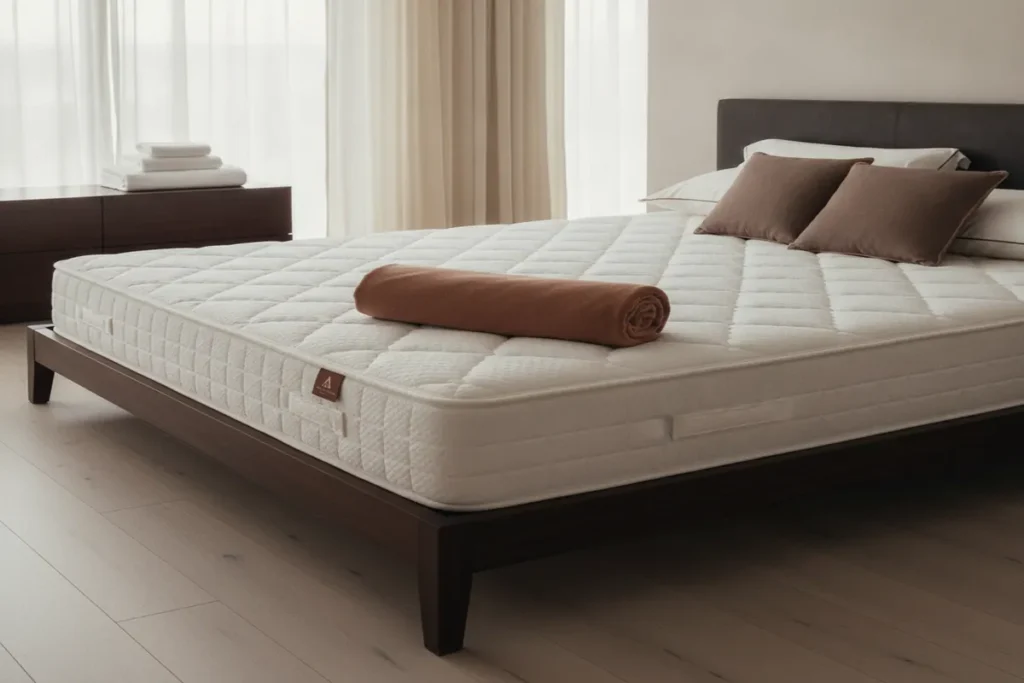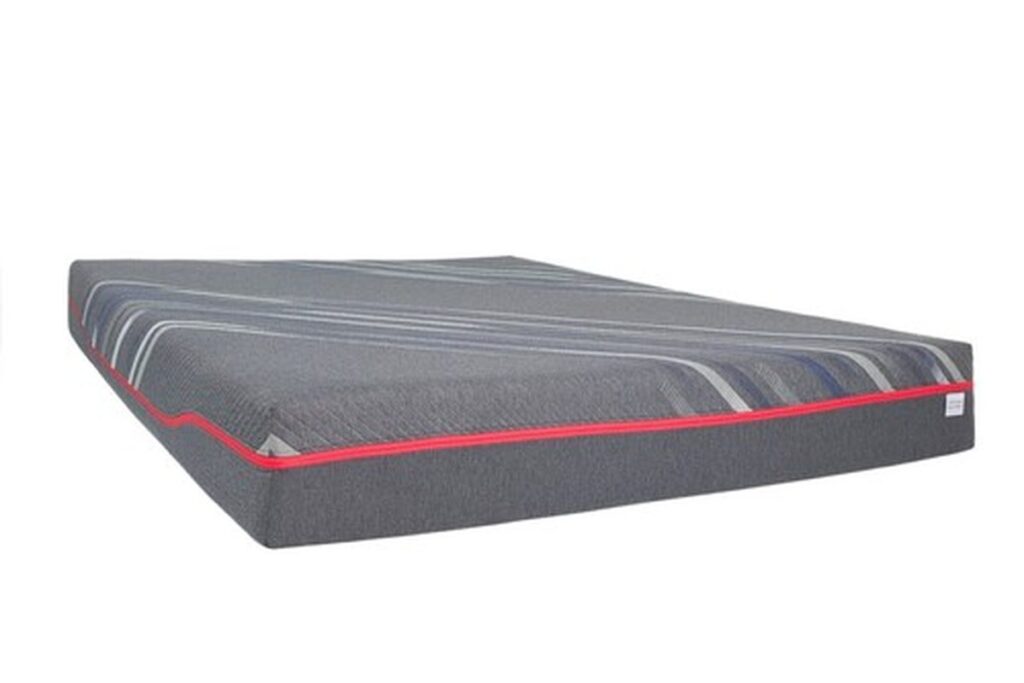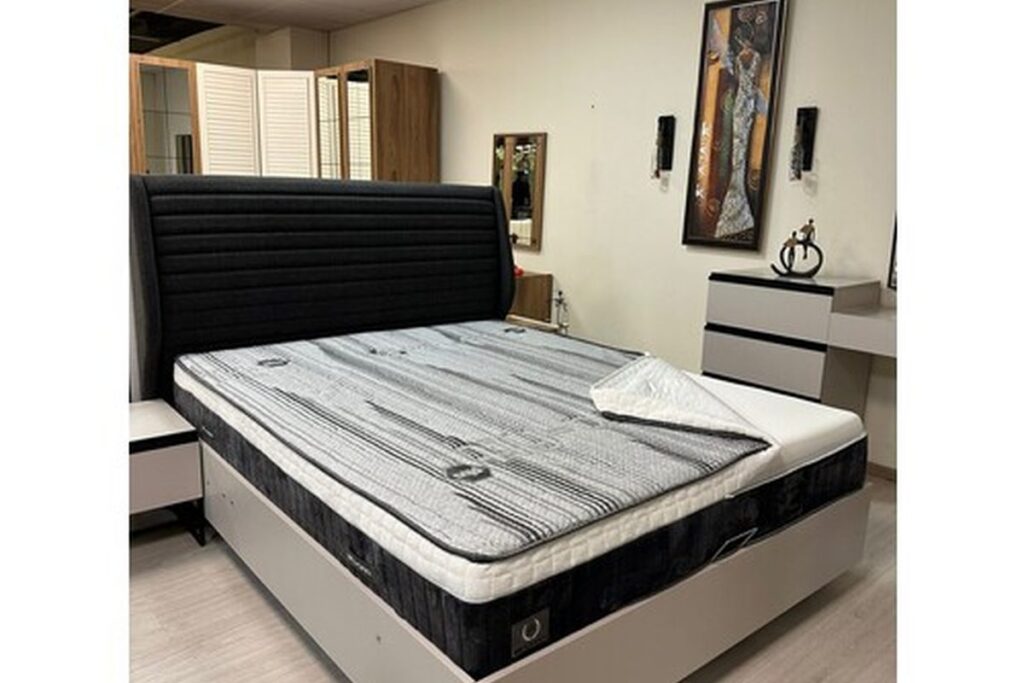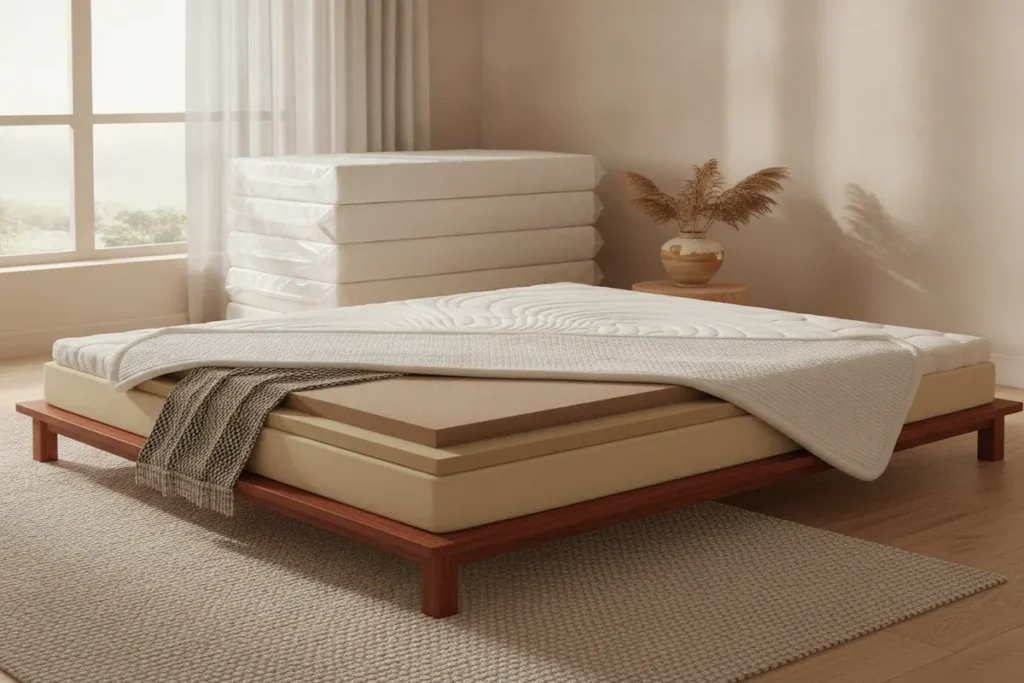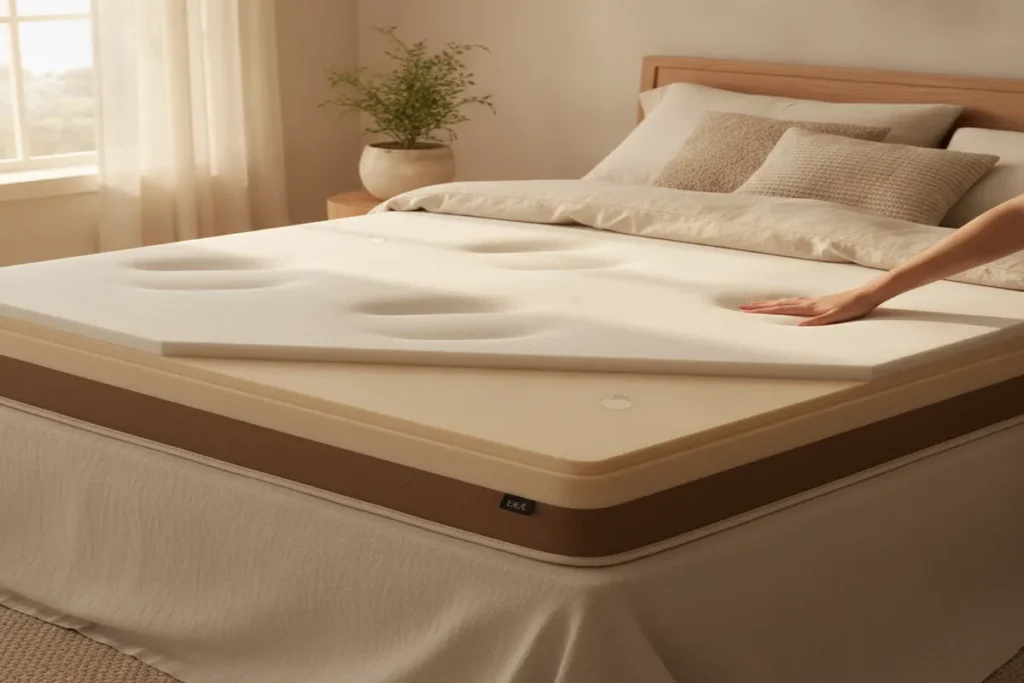

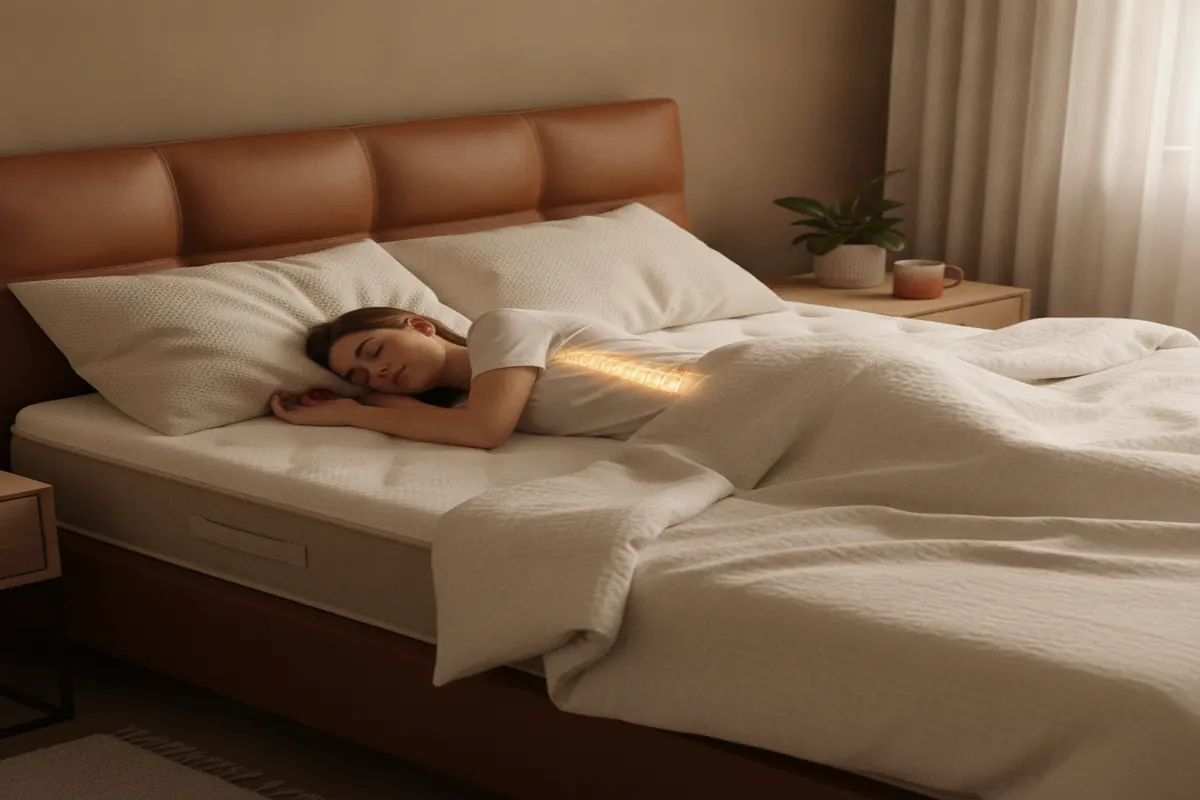
Choosing the best foam mattress for back pain relief requires understanding how different foam types interact with your body to support spinal alignment and alleviate pressure. For most sufferers, a medium-firm memory foam or latex foam mattress offers the ideal balance of contouring comfort and robust support, crucial for reducing discomfort. It’s vital to assess the mattress’s density, material composition, and specific features that target pressure points, ensuring a personalized solution for lasting relief and restorative sleep.
Quick Summary
- For optimal back pain relief, prioritize medium-firm **memory foam** or **latex foam** mattresses that offer excellent spinal alignment and pressure point distribution
- consider your sleeping position and body weight for ideal firmness
- evaluate material density for durability and support
- compare prices across reputable brands
What is the Best Type of Mattress for Back Pain Relief?
When it comes to alleviating back pain, the best type of mattress isn’t a one-size-fits-all answer, but rather a strategic choice balancing support, comfort, and individual needs. While innerspring and hybrid mattresses have their merits, all-foam mattresses – particularly those featuring advanced memory foam or latex foam – consistently emerge as top contenders for back pain sufferers. This is primarily due to their superior ability to:
-
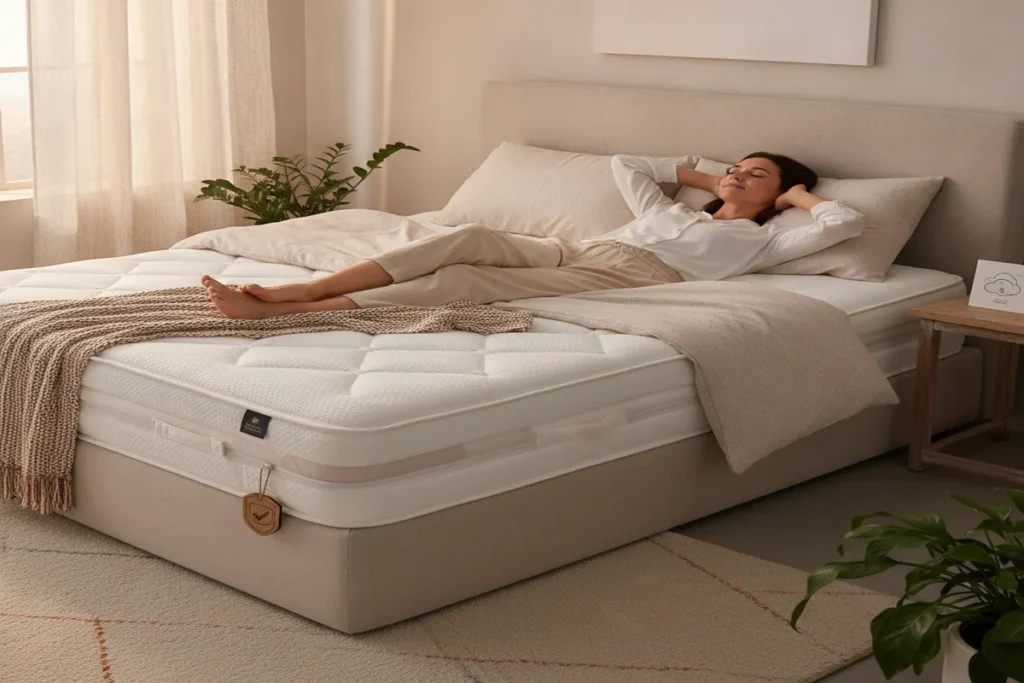
Promote Spinal Alignment: Foam mattresses, especially those with adaptive layers, conform to the natural curves of your spine, keeping it in a neutral position whether you sleep on your back, side, or stomach.
-
Distribute Body Weight Evenly: They eliminate pressure points by spreading your weight across the entire sleeping surface, reducing strain on the lower back, hips, and shoulders.
-
Absorb Motion: This is particularly beneficial for couples, as movement on one side of the bed won’t disturb the other, leading to more uninterrupted sleep, which is critical for pain management.
However, the specific type of foam and its construction are paramount. A mattress that’s too soft can allow the spine to sag, exacerbating pain, while one that’s too firm might create new pressure points and offer insufficient contouring. The sweet spot often lies in a medium-firm feel, tailored to your body weight and preferred sleeping position.
Why Choose a Foam Mattress for Back Pain? Understanding the Benefits
Foam mattresses, particularly those engineered for therapeutic support, offer distinct advantages over traditional spring-based systems for individuals grappling with chronic or acute back pain. Their unique construction is designed to address the root causes of discomfort directly.
Here’s why foam stands out as a superior choice for back pain relief:
-
Exceptional Pressure Relief: Unlike innerspring coils that can create localized pressure, foam layers cradle the body, distributing weight evenly. This significantly reduces pressure on sensitive areas like the hips, shoulders, and lumbar spine, which are common pain points.
-
Superior Spinal Alignment: High-density foams adapt to the body’s natural curves, filling in the gaps around the lower back and neck. This keeps the spine in a neutral position, preventing the unnatural bending or sagging that can lead to morning stiffness and pain.
-
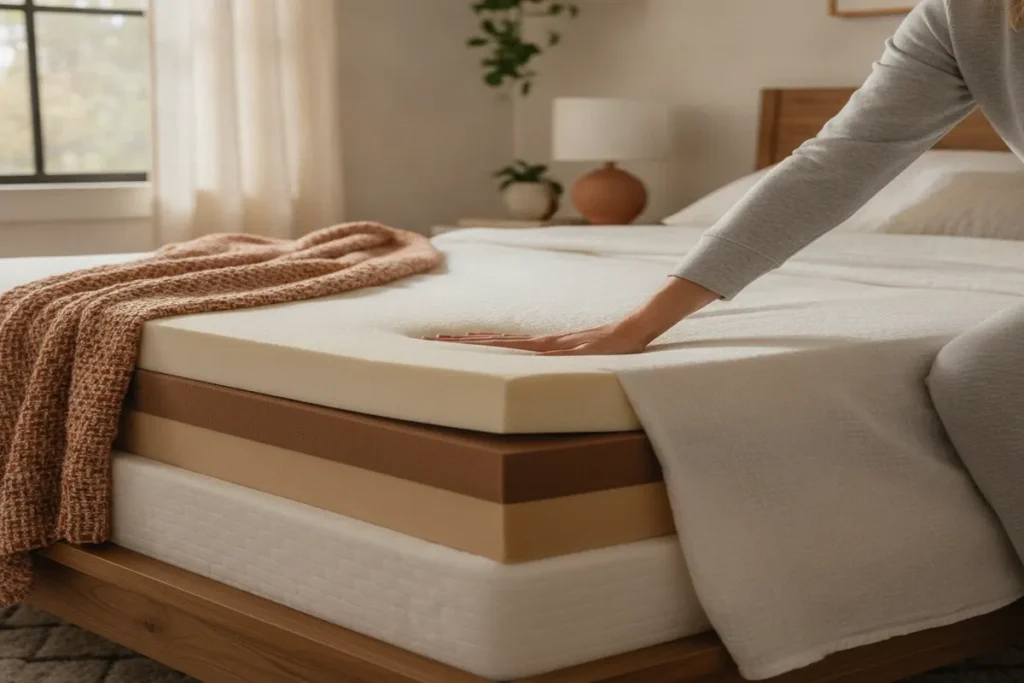
Customized Support: Different foam types and densities can be layered to create zones of support. Firmer foams might be used in the lumbar region, while softer foams cushion the shoulders, providing targeted relief where it’s needed most.
-
Durability and Longevity: Quality foam mattresses, especially those made with high-density memory foam or latex foam, are built to last. They resist sagging and indentations better than many traditional mattresses, maintaining their supportive properties over years of use. This sustained support is crucial for long-term back pain management.
-
Motion Isolation: Foam’s inherent ability to absorb motion means that tossing and turning by a partner won’t disrupt your sleep. Uninterrupted sleep is vital for the body’s healing processes and can significantly impact pain perception.
-
Hypoallergenic Properties: Many foam mattresses are naturally resistant to dust mites and allergens, providing a cleaner sleep environment. This can be a boon for those with allergies or respiratory issues, contributing to overall better sleep health.
For those considering a foam mattress, the advanced engineering behind modern foam technology offers a compelling solution for achieving consistent pressure relief and optimal spinal alignment, two pillars of effective back pain management. Explore Sinyora Yatak‘s Foam Mattress collection for options designed with these benefits in mind.
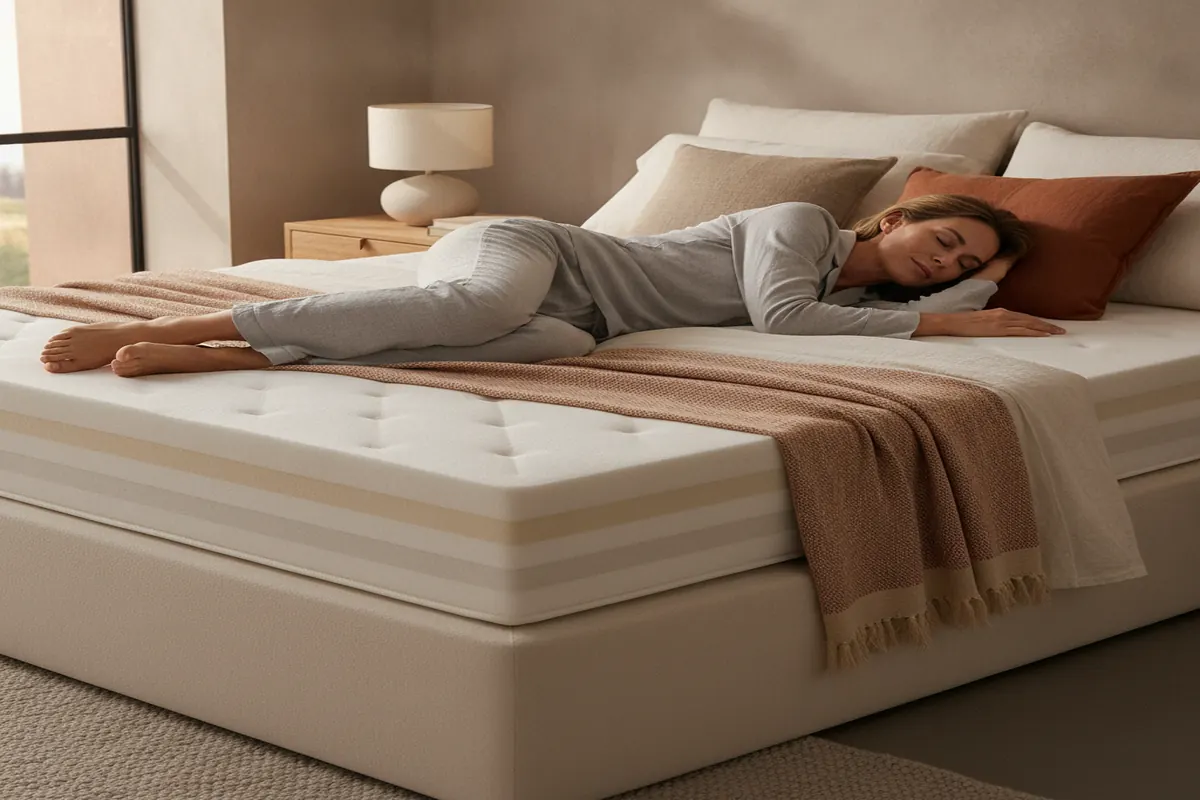
Which Foam Mattress Type Offers the Most Effective Back Pain Relief?
When selecting a foam mattress for back pain, the choice often narrows down to specific foam types, each with unique properties that influence support, comfort, and durability. Understanding these distinctions is key to finding the best foam mattress for back pain relief.
1. Memory Foam Mattresses
Memory foam, or Visco Foam Mattress, is renowned for its ability to contour precisely to the body’s shape in response to heat and pressure. This creates a deeply personalized sleep surface.
-
Pros for Back Pain:
- Exceptional Pressure Relief: Molds closely, eliminating pressure points.
- Superior Spinal Alignment: Keeps the spine in a neutral position by filling gaps.
- Motion Isolation: Minimizes disturbances from partner movement.
-
Cons: Can sometimes retain heat (though modern designs often incorporate cooling technologies like gel infusions) and may have a “stuck” feeling for some sleepers.
-
Ideal For: Side sleepers, individuals with joint pain, and those who prioritize deep cradling comfort. Sinyora Yatak offers a range of Visco Foam Mattresses engineered for optimal support.
2. Latex Foam Mattresses
Latex foam is celebrated for its responsiveness, durability, and natural properties. It offers a different feel than memory foam—more buoyant and less conforming.
-
Pros for Back Pain:
- Responsive Support: Adapts quickly to movement, providing consistent support without the “sinking” feeling.
- Excellent Spinal Alignment: Offers a firmer, more even support across the body.
- Durability: Among the most long-lasting mattress materials.
- Breathability: Naturally more breathable than traditional memory foam, reducing heat retention.
-
Cons: Can be heavier and often comes with a higher price point.
-
Ideal For: All sleeping positions, heavier individuals who need robust support, and those who prefer a more buoyant feel. Discover Sinyora Yatak’s Latex Foam Mattress options for natural, responsive comfort.
3. High-Density Polyfoam Mattresses
While not as specialized as memory or latex foam, high-density polyfoam can serve as an effective support core or base layer in many all-foam mattresses.
-
Pros for Back Pain:
- Cost-Effective: Often more affordable than memory or latex foam.
- Firm Support: Provides a stable foundation for other comfort layers.
-
Cons: Less contouring and pressure-relieving than memory or latex foam on its own; can break down faster if not high-density.
-
Ideal For: Budget-conscious buyers or as a robust support layer beneath specialized foams.
Here’s a comparison to help you decide:
For the most effective back pain relief, a mattress that combines the best attributes of these foams—for example, a latex foam support core with a memory foam comfort layer—often provides an optimal blend of support and pressure relief.
Choosing the Right Firmness and Support for Your Back
Selecting the correct firmness and support level is perhaps the most critical decision when buying a foam mattress for back pain. It’s a nuanced choice that depends on several factors: your sleeping position, body weight, and the specific nature of your back pain.
Understanding Firmness vs. Support
-
Firmness refers to the initial feel of the mattress—how soft or hard it feels when you lie down.
-
Support refers to the mattress’s ability to keep your spine in proper alignment, regardless of its initial feel. A supportive mattress prevents your heaviest parts (hips, shoulders) from sinking too far, maintaining a neutral spinal posture.
A common misconception is that a very firm mattress is always best for back pain. While some individuals might find relief on a firmer surface, an overly firm mattress can create new pressure points and lead to discomfort. Conversely, a mattress that’s too soft allows the spine to sag out of alignment, worsening pain.
Firmness Recommendations by Sleeping Position:
-
Side Sleepers:
- Ideal Firmness: Medium to Medium-Soft.
- Why: Side sleepers need enough give in the mattress to cushion their shoulders and hips, preventing pressure buildup, while still supporting the waist to keep the spine straight. A mattress that’s too firm won’t allow the shoulders and hips to sink adequately, leading to misalignment.
- Sinyora Yatak Recommendation: Consider our Turkish Mattress for Side Sleepers options, which are often designed with softer top layers for optimal contouring.
-
Back Sleepers:
- Ideal Firmness: Medium-Firm.
- Why: Back sleepers require a balance that supports the natural curve of the lumbar spine while preventing the hips from sinking too deeply. A medium-firm mattress provides this crucial lumbar support and even weight distribution.
-
Stomach Sleepers:
- Ideal Firmness: Firm to Medium-Firm.
- Why: Stomach sleepers need a firmer surface to prevent their hips from sinking too far into the mattress, which can hyperextend the spine and cause lower back pain. A firmer mattress helps keep the body on a more even plane.
Considering Body Weight:
-
Lighter Individuals (Under 130 lbs / 60 kg): May find a Medium-Soft to Medium mattress more comfortable, as they don’t exert as much pressure to activate firmer support layers.
-
Average Individuals (130-230 lbs / 60-105 kg): A Medium-Firm mattress often provides the ideal balance of contouring and support.
-
Heavier Individuals (Over 230 lbs / 105 kg): Typically require a Firm to Extra-Firm mattress, or a mattress specifically designed for heavier sleepers, often incorporating denser foams or reinforced support cores to prevent sagging and ensure proper alignment. Latex foam mattresses are often an excellent choice here due to their inherent durability and responsiveness.
When evaluating a mattress, always consider its density. Higher density foam generally equates to better support and durability, especially for back pain sufferers. Don’t hesitate to consult Buying Guides or Contact Us for Support if you’re unsure about the best firmness level for your specific needs.
Common Mistakes to Avoid When Buying a Foam Mattress for Back Pain
Navigating the market for a foam mattress can be overwhelming, and making the wrong choice can exacerbate your back pain rather than alleviate it. As experts in sleep health, we often see common pitfalls that buyers encounter. Avoiding these can save you discomfort, time, and money.
Here are the critical mistakes to steer clear of:
-
Mistake #1: Prioritizing Softness Over Support:
- Why it’s wrong: Many people equate comfort with extreme softness. While a plush top can be inviting, a mattress that’s too soft allows your spine to sink out of alignment, leading to increased back pain, especially in the lumbar region.
- How to avoid: Focus on a medium-firm feel that cradles your body without letting it sag. Remember, support is about alignment, not just initial plushness.
-
Mistake #2: Ignoring Your Sleeping Position:
- Why it’s wrong: Your primary sleeping position dictates the ideal firmness and contouring needs. A mattress perfect for a side sleeper (medium-soft) will likely be detrimental to a stomach sleeper (needs firmer).
- How to avoid: Honestly assess how you sleep most often. Refer to the firmness recommendations by sleeping position discussed earlier in this guide.
-
Mistake #3: Neglecting Material Density and Quality:
- Why it’s wrong: Not all foam is created equal. Low-density foam may feel good initially but will quickly lose its supportive properties, leading to sagging and a return of back pain.
- How to avoid: Look for high-density memory foam (e.g., 4-5 lbs/cubic foot) or natural latex foam. These materials offer superior durability and sustained support. Inquire about the foam’s specifications; don’t just rely on generic “foam mattress” labels.
-
Mistake #4: Skipping the Trial Period:
- Why it’s wrong: A mattress feels different after a few minutes in a showroom versus several nights at home. It takes time for your body to adjust to a new sleep surface, and for the mattress to break in.
- How to avoid: Always choose a mattress with a generous home trial period (e.g., 90-120 nights). This allows you to truly test its suitability for your back pain in your own sleep environment. Check Sinyora Yatak’s Return Policy for details.
-
Mistake #5: Overlooking Heat Retention Issues:
- Why it’s wrong: Traditional memory foam can sometimes trap body heat, leading to uncomfortable night sweats, which can disrupt sleep and exacerbate pain.
- How to avoid: Look for modern foam mattresses that incorporate cooling technologies such as open-cell structures, gel infusions, copper, or graphite. Latex foam is also a naturally cooler option.
-
Mistake #6: Not Considering Your Weight:
- Why it’s wrong: Lighter individuals won’t sink as much into a mattress, making a firmer mattress feel even harder. Heavier individuals need more robust support to prevent bottoming out.
- How to avoid: Match the mattress firmness and construction to your body weight for optimal support and longevity.
By being aware of these common mistakes, you can make a more informed decision and invest in a foam mattress that genuinely supports your back health.
How Do Prices Compare for Top-Rated Foam Mattresses for Back Pain?
Understanding the pricing landscape for top-rated foam mattresses for back pain relief is crucial for making a smart investment. Prices can vary significantly based on material quality, brand reputation, construction complexity, and added features. While it’s tempting to opt for the cheapest option, remember that quality and durability directly impact long-term back pain relief.
Here’s a general overview of price ranges and what influences them:
Factors Influencing Price:
-
Foam Type and Density:
- Natural Latex Foam: Often the most expensive due to its natural origins, complex manufacturing, and exceptional durability.
- High-Density Memory Foam (Visco Foam): Mid-to-high range. Higher density foams cost more but offer superior support and lifespan.
- Gel-Infused or Open-Cell Memory Foam: These specialized foams, designed for cooling, typically command a higher price than basic memory foam.
- Polyfoam: Generally the most affordable, especially for base layers.
-
Mattress Construction:
- Layering: Mattresses with multiple distinct layers (e.g., support core, transition layer, comfort layer) and advanced zoning for targeted support often cost more.
- Cover Material: Premium covers made from organic cotton, Tencel, or even materials like cashmere (as seen in our Cashmere Bed series) can increase the price.
-
Brand Reputation and Warranty: Established brands with strong warranties and return policies (like Sinyora Yatak) may have slightly higher prices, but this often reflects superior quality control and customer service.
-
Size: Larger sizes (Queen, King, California King) naturally cost more than smaller sizes (Twin, Full).
-
Origin and Craftsmanship: Mattresses crafted with specific attention to detail, like Turkish Mattresses, which are known for their quality and unique construction, might fall into a competitive mid-to-high range, offering excellent value for their durability and comfort. For insights into this, see What Makes Turkish Mattresses Special and How Much Does a Turkish Mattress Cost.
General Price Ranges (Queen Size, 2026 Estimates):
-
Entry-Level Foam Mattresses (Polyfoam or basic Memory Foam): $500 – $1,000
- Expect: Basic support, potentially lower density foams, shorter lifespan. Might offer temporary relief but may not hold up over time.
-
Mid-Range Foam Mattresses (Quality Memory Foam, Blended Latex): $1,000 – $2,000
- Expect: Good quality high-density memory foam or blended latex. Often includes cooling features. A solid choice for many back pain sufferers, offering a good balance of features and affordability.
-
Premium Foam Mattresses (Natural Latex, Advanced Memory Foam Blends): $2,000 – $3,500+
- Expect: Pure natural latex, advanced multi-layer memory foam systems, superior cooling, and often organic certifications. These offer the best durability, pressure relief, and spinal alignment. A long-term investment in sleep health.
When evaluating best foam mattress for back pain relief prices, remember that a higher price often correlates with higher quality materials and construction, which translates to better, more durable support for your back. Consider it an investment in your health and well-being. For specific pricing on our expertly crafted foam mattresses, please visit our Mattress Collection or Shop All Products.
Your Smart Buyer’s Checklist for a Foam Mattress
Making an informed decision about a foam mattress for back pain relief involves a systematic approach. This checklist distills expert advice into actionable steps, ensuring you cover all critical aspects before making your purchase.
1. Identify Your Core Needs:
*   **Pain Points:** Where exactly is your back pain located (lower back, mid-back, neck)?
*   **Sleeping Position:** Are you primarily a side, back, or stomach sleeper? (Crucial for firmness selection).
*   **Body Weight:** Are you lighter, average, or heavier? (Impacts required firmness and density).
*   **Temperature Preference:** Do you tend to sleep hot? (Look for cooling features).
2. Research Foam Types & Firmness:
*   **Memory Foam (Visco Foam):** Best for deep contouring, pressure relief, motion isolation. Look for gel-infused or open-cell for cooling.
*   **Latex Foam:** Best for responsive support, durability, natural breathability, and for heavier individuals.
*   **Firmness Level:**
    *   **Side Sleepers:** Medium to Medium-Soft
    *   **Back Sleepers:** Medium-Firm
    *   **Stomach Sleepers:** Firm to Medium-Firm
    *   *General Rule:* Most back pain sufferers benefit from a **medium-firm** mattress that supports spinal alignment without creating pressure points.
3. Evaluate Material Quality & Density:
*   **Memory Foam Density:** Aim for 4-5 lbs/cubic foot for durability and support. Lower densities (under 3 lbs) may sag quickly.
*   **Latex Type:** Differentiate between natural, blended, and synthetic latex. Natural is generally preferred for durability and purity.
*   **Certifications:** Look for certifications like CertiPUR-US (for memory foam) or GOLS/GOTS (for organic latex) to ensure safety and quality.
4. Consider Mattress Construction & Features:
*   **Layering:** Does the mattress have a supportive base layer, a transition layer, and a comfort layer? How thick are each?
*   **Zoned Support:** Some mattresses feature different firmness zones to provide targeted support for the lumbar region and softer cushioning for shoulders/hips.
*   **Cooling Technology:** For memory foam, check for gel infusions, open-cell structure, or phase-change materials to dissipate heat.
5. Prioritize Trial Periods, Warranty & Return Policies:
*   **Home Trial:** A minimum of 90-120 nights is essential. It takes time for your body to adjust.
*   **Warranty:** Look for at least a 10-year non-prorated warranty, covering sagging beyond a certain depth (e.g., 0.75-1 inch). Check Sinyora Yatak's **Warranty Information**.
*   **Return Policy:** Understand the terms for returns, including any fees or pickup requirements. Consult Sinyora Yatak's **Return Policy**.
6. Read Reviews & Seek Expert Advice:
*   **Customer Reviews:** Pay attention to reviews from other back pain sufferers. Look for patterns in feedback regarding support and durability.
*   **Expert Consultation:** Don't hesitate to **Contact Us for Support** or read our extensive **Buying Guides** for personalized recommendations.
7. Budget & Value:
*   **Price vs. Quality:** While tempting, don't solely focus on the lowest price. A higher-quality mattress is an investment in your health and will provide better long-term relief.
*   **"Best Value" Considerations:** Sometimes a mid-range mattress offers the optimal balance of features, durability, and price. For an overview of how our Turkish mattresses compare, see **Turkish Foam Mattress vs Spring**.
By diligently following this checklist, you’ll be well-equipped to select a foam mattress that provides the targeted relief and support your back needs for truly restorative sleep.
Maximizing Your Foam Mattress Investment: Care and Lifespan
Investing in a high-quality foam mattress for back pain relief is a significant decision, and ensuring its longevity and continued performance requires proper care. A well-maintained mattress will sustain its supportive properties, continuing to alleviate back pain for years to come.
Here are essential tips to maximize your foam mattress investment:
-
Provide Proper Support:
- Foundation: Foam mattresses require a solid, flat foundation. This could be a platform bed, a slatted base with slats no more than 2-3 inches apart, or a sturdy box spring designed for foam mattresses. An improper foundation can lead to premature sagging and void your Warranty Information.
- Bed Base and Headboard: Ensure your Bed Base and Headboard system provides adequate, even support across the entire mattress surface.
-
Rotate Regularly (Do Not Flip):
- Rotation: Most modern foam mattresses are designed with specific top and bottom layers and should not be flipped. However, rotating your mattress 180 degrees every 3-6 months helps distribute wear evenly and extends its lifespan.
- Why: This prevents excessive pressure on one area, maintaining consistent support and firmness across the entire surface.
-
Use a Mattress Protector:
- Protection: A waterproof and breathable mattress protector is indispensable. It guards against spills, stains, dust mites, and allergens, all of which can degrade foam over time.
- Hygiene: It also creates a healthier sleep environment, which is especially important for those with allergies.
-
Keep it Clean:
- Spot Cleaning: Address spills immediately with a mild detergent and water, dabbing gently rather than scrubbing. Ensure the area is completely dry before replacing bedding.
- Vacuuming: Periodically vacuum the mattress surface using an upholstery attachment to remove dust and debris.
- Air Out: Occasionally remove bedding and allow the mattress to air out for a few hours. This helps to dissipate moisture and keep it fresh. Refer to our Care and Maintenance guide for detailed instructions.
-
Avoid Jumping and Heavy Impacts:
- Preserve Integrity: While foam mattresses are durable, excessive jumping or concentrated heavy impacts can damage the internal structure of the foam layers, leading to premature breakdown and loss of support.
-
Understand Lifespan Expectations:
- Turkish Mattress Lifespan: High-quality foam mattresses, especially those crafted with dense materials like Turkish Foam Mattresses, typically last 7-10 years. Natural Latex Foam Mattress options can sometimes last even longer.
- When to Replace: If you notice persistent sagging (beyond what’s covered by your warranty), increased back pain, or a significant decline in comfort, it’s likely time for a new mattress.
By diligently following these care guidelines, you can ensure your foam mattress continues to provide the optimal spinal alignment and pressure relief necessary for sustained back pain relief and many years of comfortable sleep.
Expert Insight
“The right mattress is a cornerstone of spinal health, not just a luxury. For individuals with back pain, the adaptive qualities of high-density memory foam or the responsive support of natural latex are invaluable. These materials work in harmony with the body’s contours, ensuring consistent spinal alignment throughout the night. It’s not about the softest or the hardest bed, but about finding the optimal balance of pressure relief and robust support that caters to your unique physiology and sleep habits.”
Key Terms
-
Spinal Alignment: The proper positioning of the spine, maintaining its natural curves to prevent strain and pain. A well-aligned spine is crucial for back pain relief.
-
Pressure Relief: The ability of a mattress to distribute body weight evenly, reducing localized pressure points that can cause discomfort, especially in the hips, shoulders, and lower back.
-
Memory Foam (Visco Foam): A viscoelastic polyurethane foam that softens and molds to the body in response to heat and pressure, offering personalized contouring and pressure relief.
-
Latex Foam: A resilient foam made from natural or synthetic rubber, known for its responsive support, durability, and breathability. It provides a more buoyant feel than memory foam.
-
Firmness: The initial feel or resistance of a mattress when pressure is applied. It’s distinct from support, which refers to the mattress’s ability to maintain spinal alignment.
A short comparison to help you make a better decision.
How Can You Upgrade to More Comfortable Sleep with Sinyora Yatak?
At Sinyora Yatak, we understand that true sleep comfort is a deeply personal journey, especially when managing back pain. Our meticulously crafted collection of foam mattresses is engineered with superior Turkish craftsmanship to provide the precise balance of spinal alignment and pressure relief you need. Whether you’re seeking the adaptive embrace of our Visco Foam Mattress for targeted contouring or the buoyant, durable support of our Latex Foam Mattress, we have a solution designed to transform your nights. Explore our diverse Mattress Collection, including our innovative Construction Mattress and luxurious Avant-Garde Bed options. We even offer specialized choices like the 4 Seasons Bed for year-round comfort. Experience the Sinyora Yatak difference – quality materials, expert design, and a commitment to your restorative sleep. Visit Shop All Products today or Contact Us for Support to find your perfect mattress and finally achieve the pain-free sleep you deserve. We also offer Mattress Wholesale in Turkiye and Ship Turkish Mattresses Internationally, bringing our exceptional comfort directly to you.
Frequently Asked Questions
Q: What firmness level is generally recommended for back pain?
Q: Can a foam mattress cause back pain?
Q: How long does a foam mattress last, especially for back pain relief?
Q: Is memory foam or latex foam better for back pain?
Q: Do foam mattresses sleep hot, and how does that affect back pain?
Q: What should I do if my new foam mattress isn’t helping my back pain?