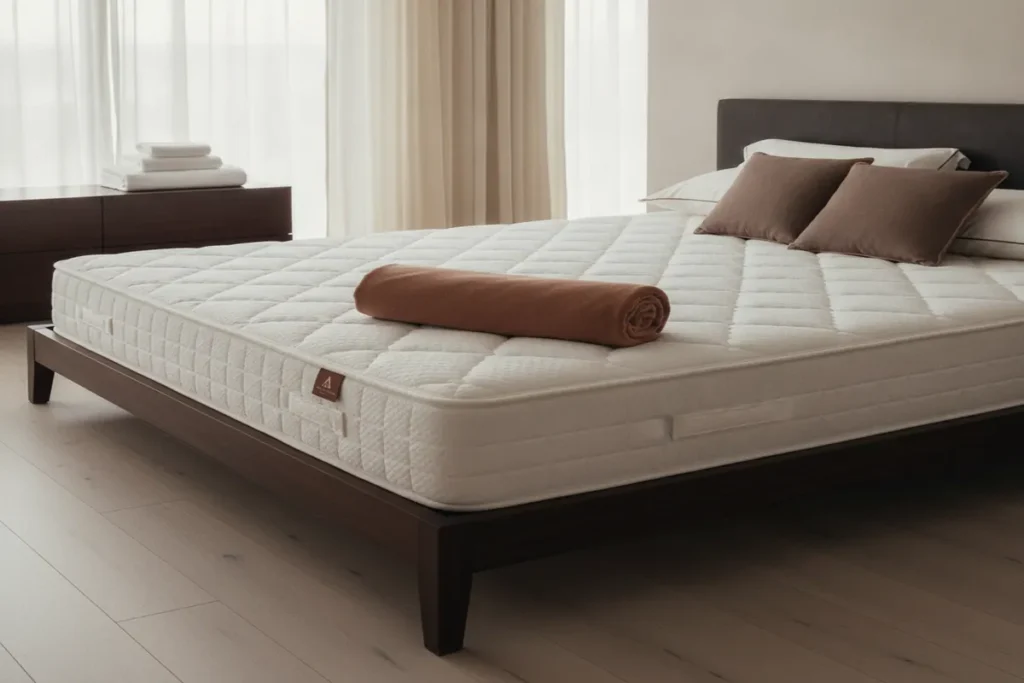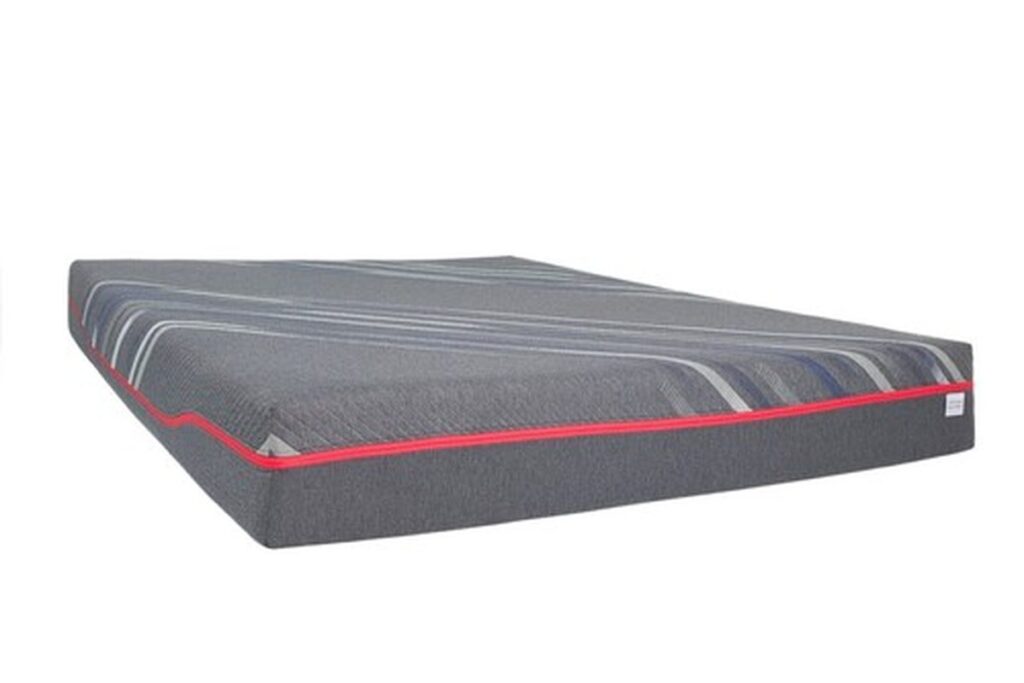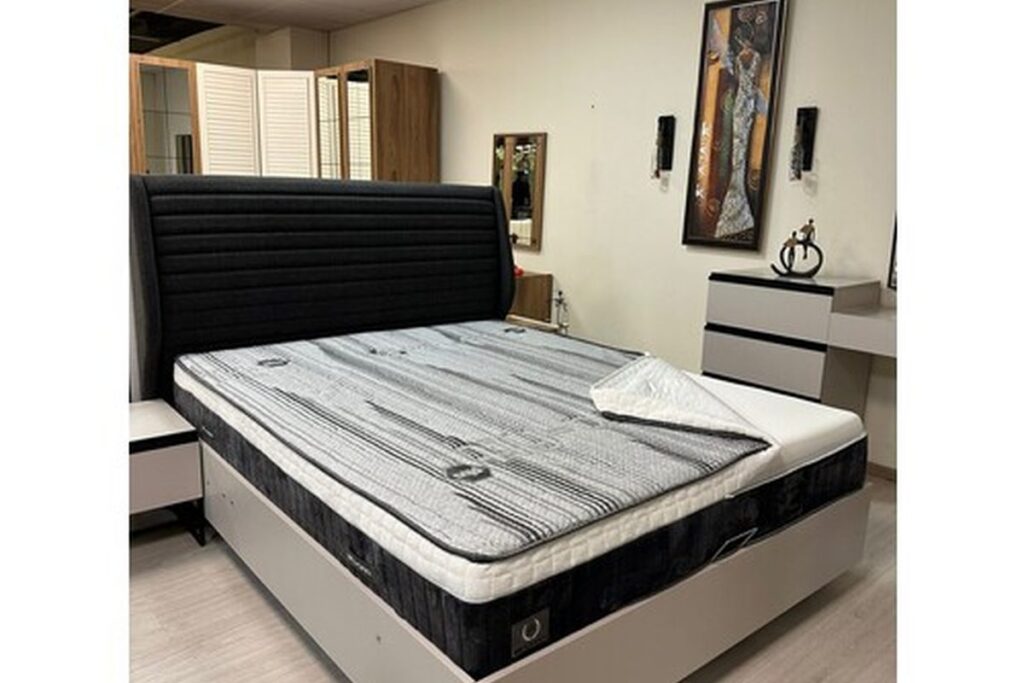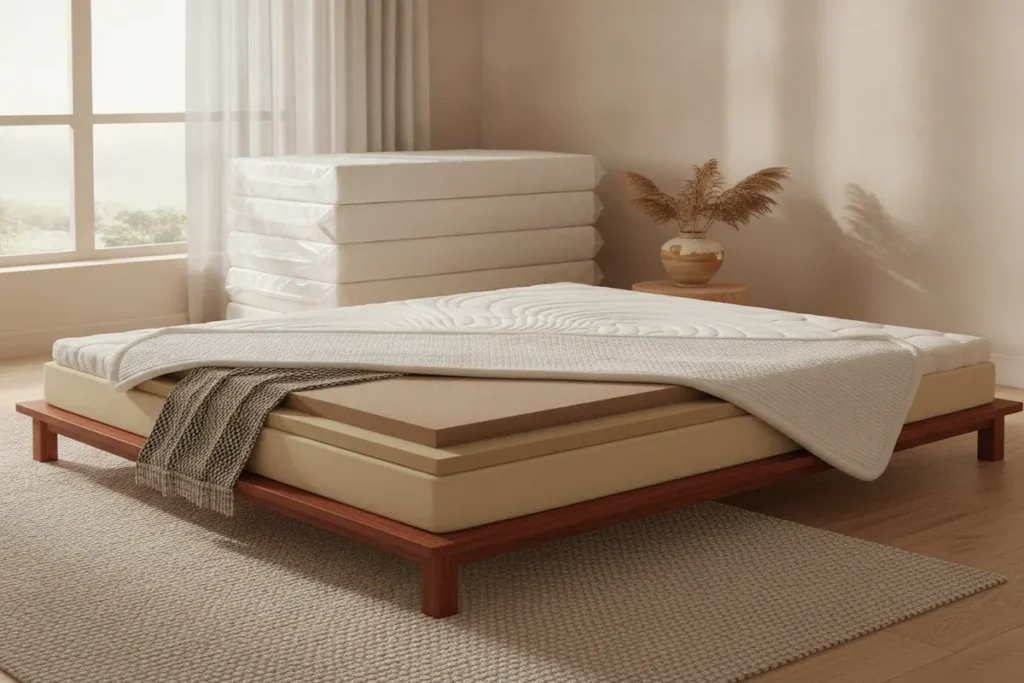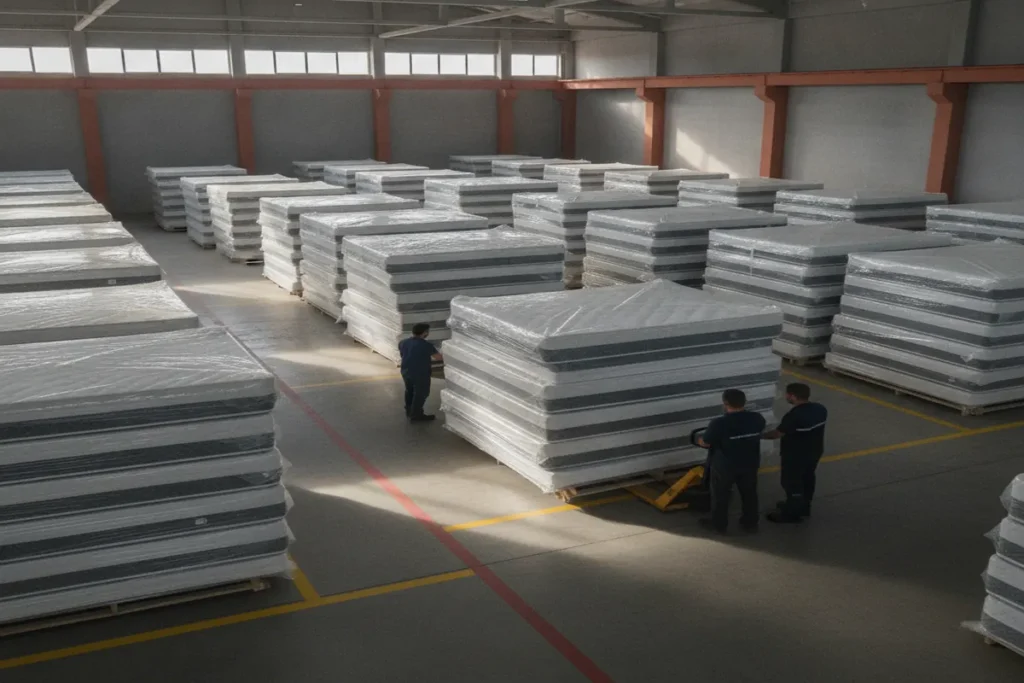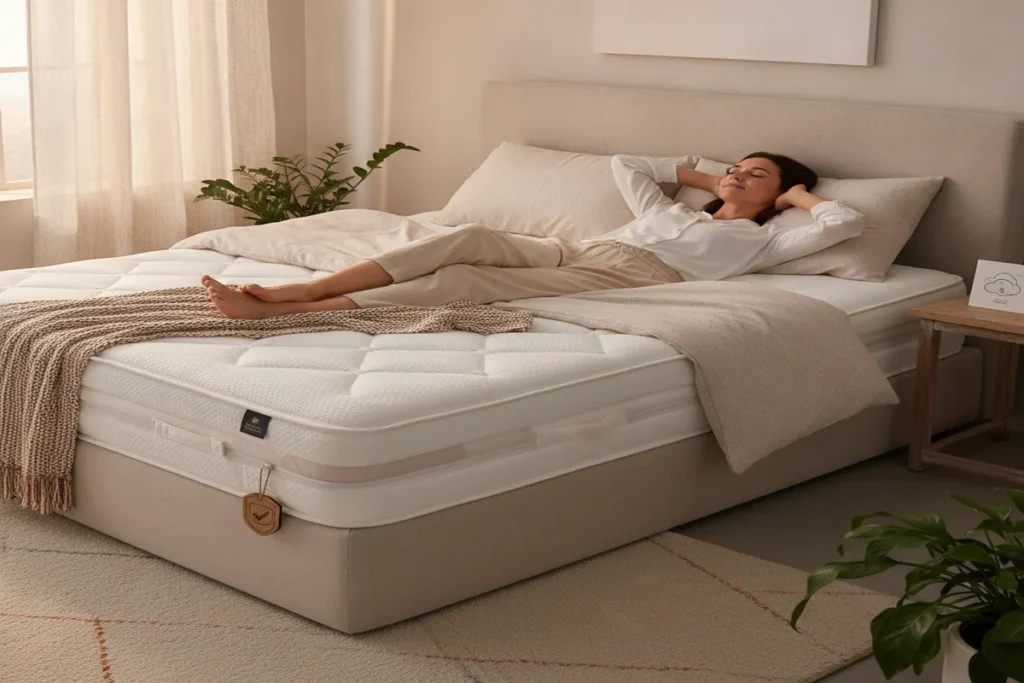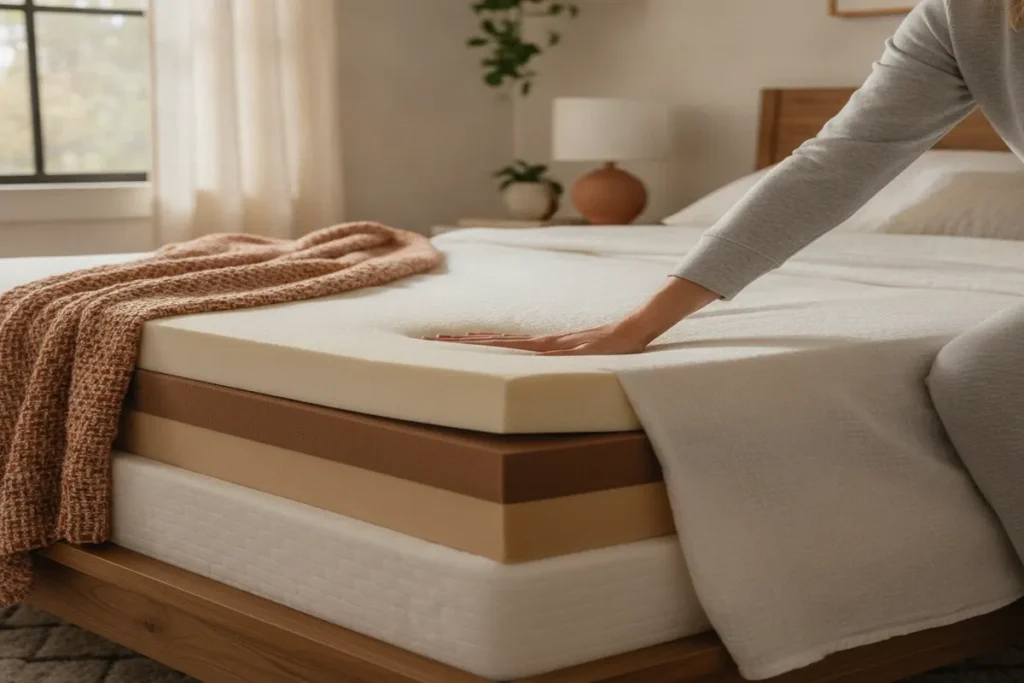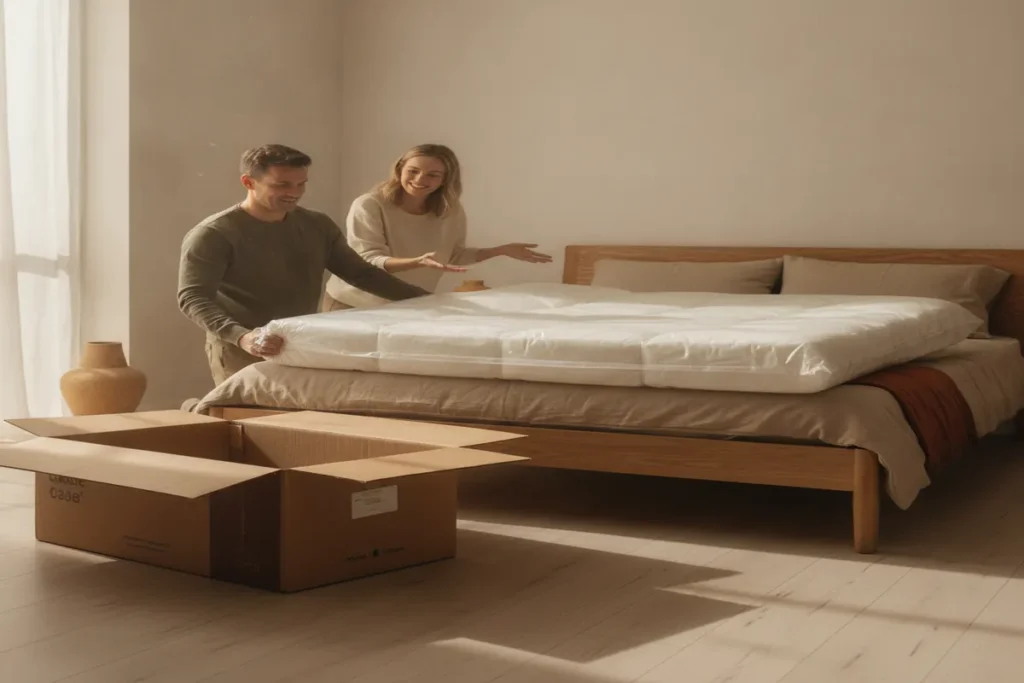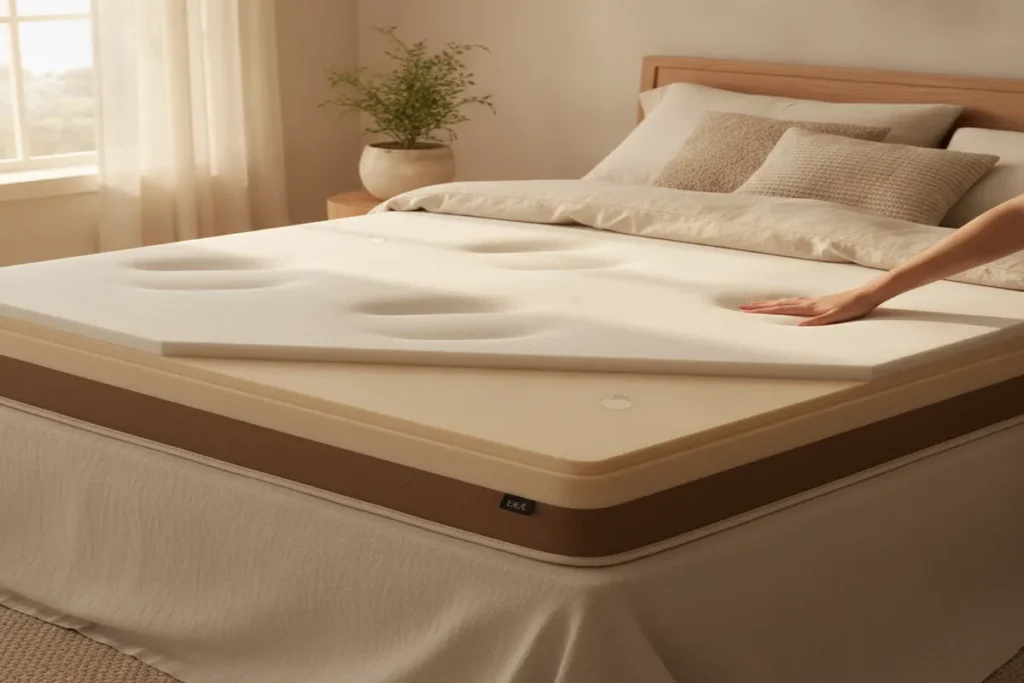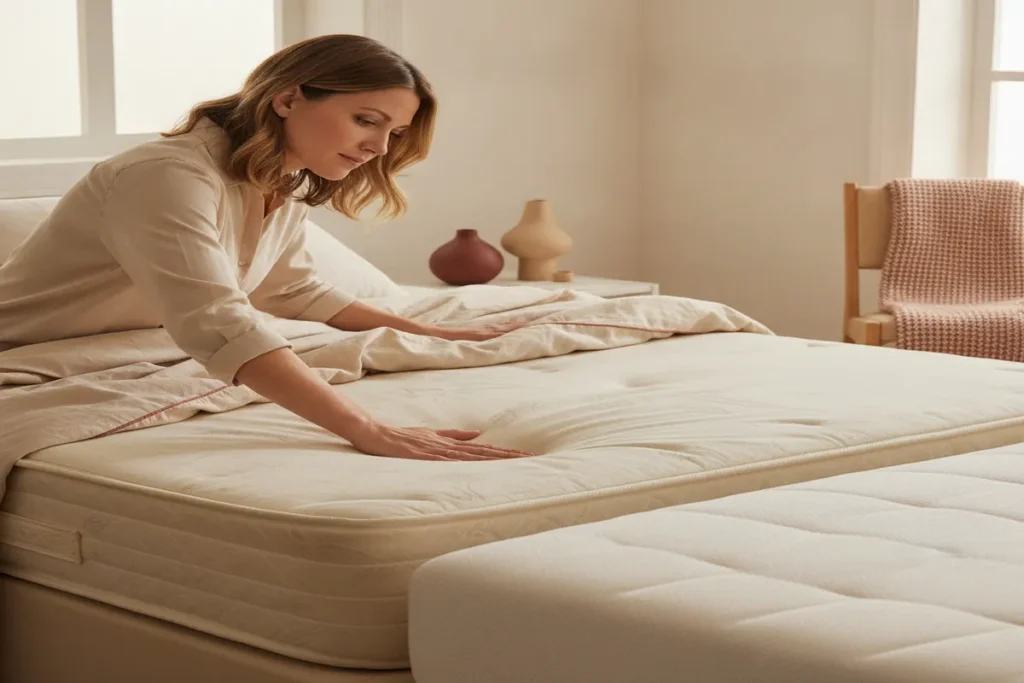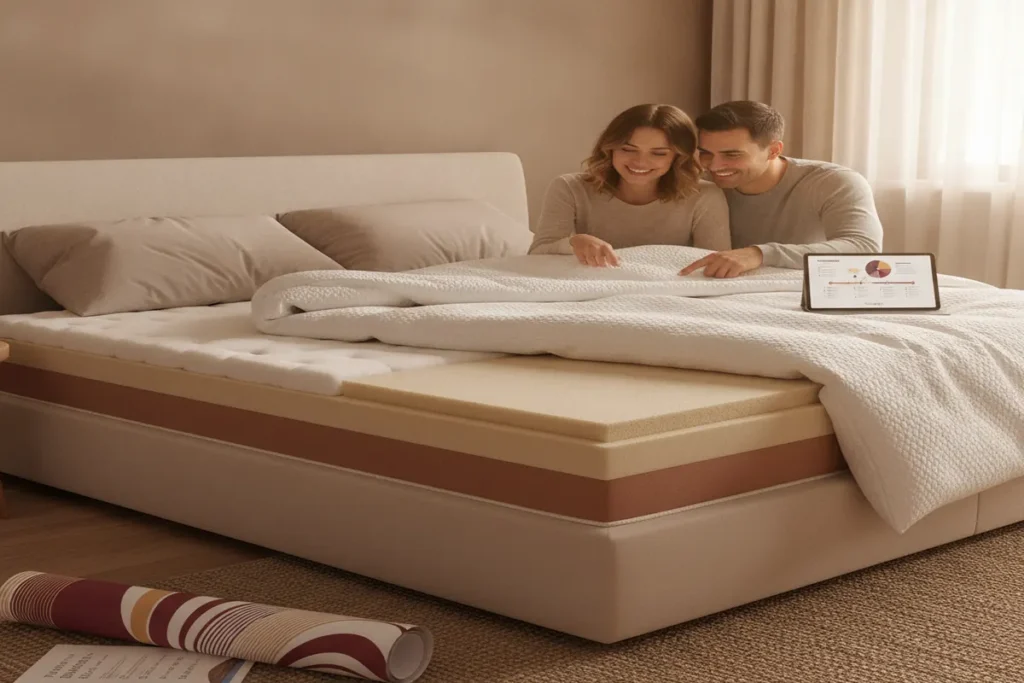

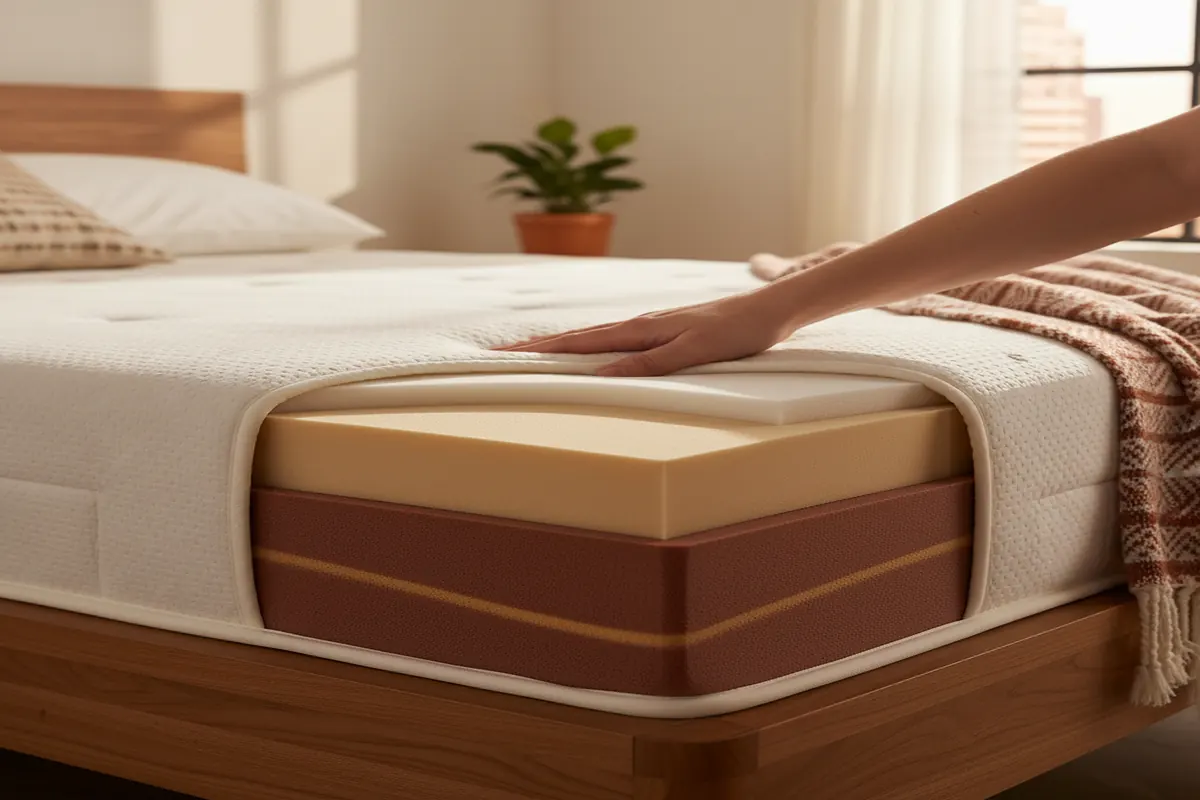
The foam mattress support core is the foundational layer of a foam mattress, providing the essential structure, stability, and durability that dictate the bed’s overall feel and longevity. Comprising the bulk of the mattress’s height, this core is crucial for preventing sagging, distributing body weight evenly, and ensuring proper spinal alignment. Understanding its composition—whether high-density polyfoam, robust memory foam, or resilient latex—is key to selecting a mattress that delivers consistent comfort and support for years.
Quick Summary
- Foam mattress support cores provide foundational stability and durability
- they primarily consist of high-density polyfoam, memory foam, or latex
- key benefits include pressure relief and motion isolation
- choosing involves considering density, ILD, and material type
What Exactly is a Foam Mattress Support Core and Why Does It Matter for Your Sleep?
At its heart, a foam mattress support core is the primary structural component of any all-foam mattress. Unlike hybrid or innerspring mattresses that rely on coils for their base, foam mattresses derive their fundamental support and shape from these dense foam layers. Think of it as the bedrock upon which all other comfort layers rest, directly influencing how well your mattress performs over time and how effectively it supports your body.
Without a robust support core, even the most luxurious comfort layers would quickly collapse, leading to:
-
Premature Sagging: The mattress loses its shape, creating depressions that compromise spinal alignment.
-
Reduced Durability: The mattress wears out much faster, requiring early replacement.
-
Inadequate Support: Your body doesn’t receive the necessary push-back, leading to aches and pains, especially in the back and joints.
-
Poor Motion Isolation: Movements from a sleeping partner are more easily transferred across the bed.
In essence, the support core is the unsung hero, doing the heavy lifting to ensure your mattress provides consistent, reliable support night after night. Its quality directly correlates with the mattress’s lifespan, its ability to maintain firmness, and its capacity to provide healthy sleep posture.
Exploring the Diverse Types of Foam Mattress Support Cores
While the term “foam support core” might sound monolithic, there’s a significant variety in the types of foam used, each bringing its own set of characteristics to the mattress. Understanding these differences is paramount to making an informed decision, as they profoundly impact the mattress’s feel, longevity, and price point.
The three primary types of foam used for support cores are:
-
High-Density Polyfoam (HD Polyfoam): This is the most common and cost-effective material for support cores. It’s a conventional foam known for its firm, resilient feel. While it doesn’t offer the same contouring properties as memory foam, its primary role is to provide stable, durable foundational support. The “high-density” aspect is crucial, as lower-density polyfoam cores would quickly degrade.
-
High-Density Memory Foam: Less common as a pure support core due to its higher cost and unique feel, high-density memory foam can sometimes be found in the lower layers of premium memory foam mattresses. When used as a support core, it offers exceptional pressure relief and body contouring, even at the base, but can sometimes lead to a feeling of being “stuck.”
-
Latex Foam: Derived from natural rubber trees (natural latex) or synthetic compounds (synthetic latex), latex foam is renowned for its exceptional durability, responsiveness, and resilience. It offers a buoyant, supportive feel that pushes back against the body rather than sinking in deeply. Latex cores are often considered the premium choice, known for their longevity and natural resistance to allergens.
Here’s a comparison of these core types:
Sinyora Yatak, for instance, utilizes advanced foam technologies in its Foam Mattress and Visco Foam Mattress lines, often combining layers to achieve optimal balance. Our Latex Foam Mattress options showcase the superior resilience and natural properties of latex, providing robust support cores engineered for lasting comfort.

Key Factors to Consider When Choosing Your Ideal Foam Mattress Support Core
Selecting the right foam mattress support core isn’t just about picking a material; it’s about matching the core’s properties to your individual sleep needs, preferences, and lifestyle. This decision impacts everything from initial comfort to long-term spinal health.
When evaluating a support core, focus on these critical factors:
-
Density (Pounds Per Cubic Foot – PCF): This is arguably the most important indicator of a foam core’s quality and durability. Higher density generally means more material per cubic foot, leading to a more durable and supportive core.
- Polyfoam: Look for at least 1.8 PCF; 2.0 PCF or higher is excellent for durability.
- Memory Foam (as a core layer): Aim for 3.5 PCF or higher.
- Latex: Often measured in density as well, with 4.0-5.5 PCF being common for support layers.
- Why it matters: Low-density cores (e.g., polyfoam below 1.5 PCF) will soften and sag quickly, regardless of the comfort layers above.
-
ILD (Indentation Load Deflection) / Firmness: ILD measures how much force (in pounds) is required to compress a 4-inch thick, 50-square-inch foam sample by 25% of its original height. A higher ILD indicates a firmer foam.
- Support Cores: Typically have higher ILD values (25-40+) to provide robust push-back.
- Comfort Layers: Have lower ILD values (10-25) for softness and contouring.
- Why it matters: The ILD of the support core determines the overall foundational firmness of the mattress. If it’s too soft, you’ll sink too much; too firm, and it might feel like sleeping on a board.
-
Material Type: As discussed, polyfoam, memory foam, and latex each offer distinct characteristics.
- Polyfoam: Best for those seeking firm, traditional support at a lower price point.
- Latex: Ideal for sleepers wanting responsive, durable, and often natural support with a buoyant feel.
- Memory Foam (as a core): Suited for those who prioritize deep pressure relief and contouring, even in the support layer, and are prepared for a higher cost.
-
Thickness of the Core: A thicker support core generally provides more robust and lasting support.
- Most quality foam mattresses feature support cores ranging from 6 to 9 inches thick.
- Why it matters: A very thin support core (e.g., 4-5 inches) might not provide adequate foundational support, especially for heavier individuals, leading to quicker wear and less effective spinal alignment.
-
Certifications: Look for certifications that indicate the foam has been tested for harmful chemicals and emissions.
- CertiPUR-US®: For polyfoam and memory foam, ensures absence of ozone depleters, heavy metals, formaldehyde, and low VOC (Volatile Organic Compound) emissions.
- OEKO-TEX® Standard 100 or GOLS (Global Organic Latex Standard): For latex, these certifications ensure the material is free from harmful substances and, in the case of GOLS, is organically produced.
- Why it matters: These provide peace of mind regarding the safety and environmental impact of the materials you’re bringing into your home.
Practical Checklist for Choosing Your Foam Mattress Support Core:
Before making a purchase, use this checklist to guide your decision:
-
[ ] Identify your primary sleep position: Side sleepers often need a slightly softer core to allow shoulder/hip sinkage, while back/stomach sleepers generally benefit from firmer support.
-
[ ] Consider your body weight: Heavier individuals (200+ lbs) require denser, thicker support cores (2.0+ PCF polyfoam, 4.0+ PCF latex) to prevent premature sagging.
-
[ ] Evaluate existing pain points: If you have back pain, a firmer, highly supportive core is often recommended to maintain spinal alignment.
-
[ ] Determine your budget: Latex cores are typically the most expensive, followed by high-density memory foam, then high-density polyfoam.
-
[ ] Check density and ILD specifications: Don’t just rely on “firm” or “soft” descriptions. Ask for the specific PCF and ILD of the core.
-
[ ] Look for reputable certifications: CertiPUR-US®, OEKO-TEX®, or GOLS are strong indicators of quality and safety.
-
[ ] Read expert and user reviews: Pay attention to comments about durability, sagging, and long-term support.
-
[ ] Inquire about trial periods and warranties: A good warranty (10+ years) on the support core indicates manufacturer confidence in its durability.
Beyond Comfort: The Core Benefits of a Well-Designed Foam Support System
While the comfort layers of a mattress get most of the attention for their plushness or contouring, it’s the foam mattress support core that underpins the entire sleep experience, delivering fundamental benefits essential for restorative rest. These advantages extend far beyond initial comfort, impacting health, longevity, and overall satisfaction.
Here are the primary benefits of investing in a high-quality foam support core:
-
Superior Pressure Relief: A well-engineered foam core, especially one using high-density memory foam or latex, works in conjunction with comfort layers to distribute body weight evenly. This prevents pressure points from forming in areas like the hips, shoulders, and lower back, which can lead to discomfort and tossing and turning. The core’s firmness ensures that the body’s heavier parts don’t bottom out, allowing the comfort layers to do their job effectively.
-
Exceptional Motion Isolation: Foam is inherently good at absorbing movement. A dense foam support core significantly minimizes motion transfer across the mattress. This is a crucial benefit for couples, as one person’s movements are less likely to disturb the other, leading to uninterrupted sleep for both.
-
Consistent Spinal Alignment: The primary function of any mattress support system is to keep the spine in a neutral, natural alignment. A high-quality foam core provides the consistent, stable push-back needed to achieve this, preventing the spine from curving unnaturally. This is vital for preventing and alleviating back pain, promoting better posture, and ensuring a healthy sleep posture.
-
Enhanced Durability and Lifespan: As the foundational layer, the quality of the support core directly dictates how long your mattress will last. High-density foams (polyfoam, memory foam, or latex) resist breakdown and sagging much better than lower-density alternatives. This translates to a mattress that maintains its supportive properties and comfort for many years, offering excellent long-term value. Our Turkish Mattress Lifespan is a testament to the quality of our core materials.
-
Hypoallergenic and Dust Mite Resistant (especially Latex): Foam, particularly natural latex, is naturally resistant to dust mites, mold, and mildew. This makes foam mattress support cores an excellent choice for individuals with allergies or asthma, contributing to a cleaner, healthier sleep environment.
-
Quiet Operation: Unlike spring systems that can become squeaky over time, foam cores are virtually silent. This contributes to a peaceful sleep environment, free from disruptive noises.
The benefits of a well-chosen foam support core are foundational to a truly comfortable and supportive sleep experience. It’s an investment in your sleep health and the longevity of your mattress.
Navigating the Market: Common Mistakes and Smart Buying Tips for Foam Cores
The journey to finding the perfect mattress with an optimal foam mattress support core can be fraught with potential missteps. Many common mistakes stem from a lack of understanding about what truly constitutes a quality core. By being aware of these pitfalls and adopting smart buying strategies, you can ensure a selection that stands the test of time and delivers superior comfort.
Common Mistakes to Avoid:
-
Focusing Only on Comfort Layers: It’s easy to be swayed by plush top layers. However, a soft top on a weak support core will quickly lead to sagging and discomfort. Always inquire about the core’s specifications.
-
Ignoring Density Specifications: Many manufacturers market “high-quality foam” without providing density (PCF) figures. Lower density foam, even if initially firm, will break down faster. Always ask for the density.
-
Assuming All “Firm” Mattresses are Supportive: Firmness (ILD) and density are related but not identical. A low-density foam can feel firm initially but lack the material to sustain that firmness, leading to rapid softening.
-
Overlooking Certifications: Skipping certifications like CertiPUR-US® or OEKO-TEX® means you might unknowingly bring foams with harmful chemicals into your home. Prioritize health and safety.
-
Underestimating the Impact of Body Weight: Heavier sleepers require significantly denser and often thicker support cores to prevent premature wear and ensure adequate support. A core suitable for a lightweight individual may fail quickly for someone heavier.
-
Neglecting Warranty Details: A robust warranty often covers sagging beyond a certain depth (e.g., 1 inch). Understand what the warranty specifically covers regarding the support core’s performance.
-
Buying Without a Trial Period: A mattress feels different after a few nights compared to a few minutes in a showroom. Always opt for mattresses with generous in-home trial periods (e.g., 90-120 nights).
Smart Buying Tips for Your Foam Support Core:
-
Prioritize Density Over Initial Feel: While comfort is subjective, density is an objective measure of durability. For polyfoam cores, aim for 1.8 PCF or higher; for latex, 4.0 PCF or higher.
-
Understand ILD in Context: A higher ILD for the support core indicates greater foundational firmness. Match this to your preferred firmness level, remembering that comfort layers will soften the overall feel.
-
Consider Layered Constructions: Many high-quality foam mattresses feature multi-layered foam systems. The support core is the thickest, lowest layer, but sometimes a transition layer (medium-density foam) sits between the core and the comfort layers to provide gradual support. Understand the role of each layer.
-
Read Customer Reviews for Long-Term Performance: Look for reviews that specifically mention how the mattress holds up after 1-2 years. Comments about sagging or maintaining firmness are highly relevant to the support core’s quality.
-
Inquire About Foam Source and Manufacturing: Reputable brands like Sinyora Yatak are transparent about their materials and manufacturing processes. Knowing where the foam comes from can indicate quality control standards.
-
Factor in Your Sleeping Style and Weight:
- Side Sleepers: May need a core that allows for some give in the shoulders and hips while still providing overall support.
- Back Sleepers: Typically benefit from a medium-firm to firm core that keeps the spine naturally aligned.
- Stomach Sleepers: Often require a firmer core to prevent the hips from sinking too deeply, which can strain the lower back.
- Heavier Individuals: Absolutely need higher density and often thicker cores to ensure durability and prevent bottoming out.
-
Don’t Overlook the Foundation: Even the best foam core needs a proper foundation (slatted base with narrow gaps, solid platform, or adjustable base) to perform optimally. An inadequate foundation can mimic the effects of a poor support core. Our Bed Base and Headboard options are designed to provide the ideal support for our mattresses.
By arming yourself with this knowledge, you can approach mattress shopping with confidence, ensuring your investment in a foam mattress support core translates into years of comfortable, supportive sleep.
Understanding the Investment: What Drives Foam Mattress Support Core Costs?
The cost of a mattress is a significant factor for most buyers, and the foam mattress support core plays a substantial role in that overall price tag. While it’s tempting to opt for the cheapest option, understanding the factors that influence core pricing reveals why some investments are truly worth it for long-term comfort and durability.
Several key elements drive the cost of a foam mattress support core:
-
Material Type:
- High-Density Polyfoam: Generally the most affordable option. Its widespread availability and simpler manufacturing process keep costs lower. However, even within polyfoam, higher densities command a slightly higher price due to more raw material usage.
- High-Density Memory Foam: Typically more expensive than polyfoam. The specialized chemical compounds and manufacturing processes required to create its viscoelastic properties contribute to its higher cost.
- Latex Foam (especially natural): Often the priciest option. The harvesting of natural rubber sap, the energy-intensive processing (Talalay or Dunlop methods), and its superior durability and natural properties make it a premium material. Synthetic latex is usually less expensive than natural but still costs more than polyfoam.
-
Density and Thickness:
- Density (PCF): A higher density foam requires more raw material per cubic foot, directly increasing manufacturing costs. A 2.5 PCF polyfoam core will be more expensive than a 1.8 PCF core of the same size.
- Thickness: A thicker support core (e.g., 8 inches vs. 6 inches) naturally uses more material, leading to a higher cost. Thicker cores are often essential for heavier individuals or those seeking maximum durability.
-
Certifications and Eco-Friendliness:
- Foams with certifications like CertiPUR-US®, OEKO-TEX® Standard 100, or GOLS often come with a slightly higher price. These certifications indicate rigorous testing, adherence to strict environmental and health standards, and sometimes sustainable sourcing, all of which add to production costs.
- Natural and organic latex, for example, is priced higher due to its sustainable cultivation and processing methods.
-
Manufacturing Process and Technology:
- Advanced foam technologies, such as open-cell structures designed for better airflow or specialized tempering processes for enhanced resilience, can increase production costs.
- The quality control and precision of the manufacturing facility also play a role; reputable manufacturers invest more in these areas.
-
Brand Reputation and Warranty:
- Established brands with a reputation for quality and extensive research and development often price their products higher to reflect this value.
- A comprehensive warranty, particularly one that covers significant sagging, is an assurance of quality that is factored into the price. This reflects the manufacturer’s confidence in the durability of their core materials.
What to Expect in Terms of Cost Ranges (General Guidance, 2026):
-
Entry-Level Foam Mattresses (with basic polyfoam core): Often start around $400-$700 (Queen size). The core will likely be 1.5-1.8 PCF.
-
Mid-Range Foam Mattresses (with quality polyfoam or basic memory foam core): Typically $800-$1500 (Queen size). Expect 1.8-2.2 PCF polyfoam or 3.0-4.0 PCF memory foam in the core.
-
Premium Foam Mattresses (with high-density memory foam or latex core): Can range from $1600-$3000+ (Queen size). These will feature 4.0+ PCF memory foam or high-quality natural/synthetic latex cores.
When evaluating the cost, consider it an investment in your sleep health and the longevity of your mattress. A cheaper mattress with a low-density core might save you money upfront, but it could lead to premature sagging, discomfort, and the need for earlier replacement, ultimately costing more in the long run. Sinyora Yatak prioritizes quality materials to ensure our mattresses, including those with advanced foam cores, offer exceptional value and durability.
Ensuring Longevity: Care and Maintenance for Your Foam Support Core
While the foam mattress support core is designed for durability, proper care and maintenance can significantly extend its lifespan and ensure it continues to provide optimal support for years to come. Neglecting these simple steps can accelerate wear and tear, leading to premature sagging and a diminished sleep experience.
Here’s how to best care for your foam mattress support core:
-
Use a Proper Foundation:
- Why it matters: An inadequate foundation (e.g., old box spring, widely spaced slats) can cause the foam core to sag unevenly or prematurely. The core needs consistent, firm support from underneath.
- Action: Ensure your bed base is solid or has slats no more than 2-3 inches apart. Platform beds and adjustable bases are generally excellent choices for foam mattresses. Our Bed Base and Headboard collection offers compatible solutions.
-
Rotate Your Mattress Regularly:
- Why it matters: Even with high-density foam, continuous pressure on the same areas can lead to gradual compression over time. Rotating distributes this wear more evenly.
- Action: For most foam mattresses, rotate it 180 degrees (head to foot) every 3-6 months. Check manufacturer guidelines, as some mattresses are designed to be non-flippable due to specific layering.
-
Protect Your Mattress with a Cover:
- Why it matters: A good quality mattress protector shields the foam core from spills, stains, dust mites, and allergens. Moisture can degrade foam over time, and a protector acts as a barrier.
- Action: Invest in a waterproof and breathable mattress protector. Clean it regularly according to its care instructions.
-
Keep it Clean and Dry:
- Why it matters: Spills, moisture, and excessive humidity can foster mold and mildew growth within the foam, leading to unpleasant odors and material degradation.
- Action: Address spills immediately by blotting, not rubbing. If deep cleaning is necessary, use a mild soap solution sparingly and ensure the mattress is completely dry before putting bedding back on. Occasionally air out your mattress by removing bedding.
-
Avoid Jumping on the Mattress:
- Why it matters: Concentrated, high-impact force can stress the foam cells, leading to localized breakdown and divots in the core.
- Action: Treat your mattress gently. It’s designed for sleeping and resting, not as a trampoline.
-
Handle with Care When Moving:
- Why it matters: Bending, folding, or dragging a foam mattress incorrectly can damage the internal structure of the core.
- Action: When moving, carry the mattress flat or rolled (if designed to be rolled) to prevent creasing or tearing the foam. Use appropriate handles or wrapping if available.
By following these simple care and maintenance tips, you can significantly prolong the life and performance of your foam mattress support core, ensuring it continues to provide the stable, comfortable foundation you rely on for quality sleep. For more detailed guidance, refer to our Care and Maintenance section and Warranty Information.
Where to Find Quality Foam Mattress Support Cores and What to Expect Online
In today’s market, finding a quality foam mattress support core often means looking at entire mattresses from reputable brands, as individual support cores are rarely sold separately to consumers. The online marketplace has become a dominant force, offering convenience and a wide selection, but also requiring careful navigation.
Here’s what to expect and how to approach purchasing online:
-
Direct-to-Consumer Brands: Many mattress brands now operate solely online, cutting out middlemen and often passing savings on to consumers. These brands typically provide detailed specifications for their mattress layers, including the density and type of foam used in their support cores.
- Pros: Competitive pricing, extensive product information, convenient delivery, and often generous in-home trial periods (e.g., 100+ nights).
- Cons: You can’t physically try the mattress before buying, relying heavily on descriptions and reviews.
-
Established Retailers with Online Presence: Traditional mattress companies also have robust online stores, offering a blend of in-store experience (for trying products) and online convenience.
- Pros: Option to try mattresses in a showroom, established brand trust, wider range of financing options.
- Cons: May have higher prices due to overhead, potentially less transparent core specifications compared to D2C brands.
-
Marketplaces (e.g., Amazon, Wayfair): These platforms host numerous brands, from major players to smaller manufacturers.
- Pros: Huge selection, competitive pricing, often fast shipping.
- Cons: Quality can vary wildly; it’s harder to vet sellers; product descriptions might be less detailed or accurate; customer service can be fragmented.
What to Look for When Buying Online:
-
Detailed Product Specifications: A reputable online seller will clearly list the foam types, densities (PCF), and ILD values for each layer, especially the support core. If this information is missing, be wary.
-
Certifications: Always look for CertiPUR-US® (for polyfoam/memory foam) or GOLS/OEKO-TEX® (for latex) to ensure material safety and quality.
-
Transparent Return Policies and Trial Periods: A good online mattress company will offer a risk-free trial (e.g., 90-120 nights) and a clear, hassle-free return policy. Understand the process and any associated fees.
-
Comprehensive Warranty: A 10-year warranty is standard for quality mattresses, covering defects and significant sagging of the support core. Read the fine print.
-
Customer Reviews and Ratings: Pay close attention to reviews, especially those that mention durability, long-term support, and how the mattress performed after several months or years. Look for patterns in feedback regarding the core’s performance.
-
Customer Service Accessibility: Ensure the company offers multiple ways to contact them (phone, email, chat) and provides responsive, knowledgeable support for any questions about their foam cores. Refer to our Contact Us for Support page.
Sinyora Yatak, as an international brand, makes it easy to explore and purchase high-quality mattresses with superior foam support cores online. Our Mattress Collection features detailed descriptions, including the advanced foam technologies we employ. We pride ourselves on transparency, customer support, and offering Turkish Mattresses that are known for their exceptional craftsmanship and durability, shipping them Internationally. Whether you’re interested in a Foam Mattress, Visco Foam Mattress, or Latex Foam Mattress, our online platform provides all the information you need to make an informed decision from anywhere in the world.
Expert Insight
“The support core is the silent workhorse of any foam mattress. While comfort layers provide the initial ‘hug’ or ‘bounce,’ it’s the density and resilience of the core that truly dictates a mattress’s structural integrity, its ability to prevent sagging, and its capacity to maintain consistent spinal alignment over its entire lifespan. Prioritizing a high-quality, dense support core is the single most important factor for long-term satisfaction and sleep health.”
— Industry experts confirm that a mattress’s long-term performance hinges on its foundational support.
Key Terms
-
Density (PCF – Pounds Per Cubic Foot): A measure of how much material is packed into a cubic foot of foam. Higher density generally indicates greater durability and support for foam cores.
-
ILD (Indentation Load Deflection): A metric indicating the firmness of foam. It measures the force required to compress a specific foam sample by 25% of its original height. Higher ILD means firmer foam.
-
Polyfoam (Polyurethane Foam): A common, versatile foam used in mattresses. High-density polyfoam is frequently used for support cores due to its firm, resilient properties and cost-effectiveness.
-
Latex Foam: A natural or synthetic rubber-based foam known for its exceptional durability, responsiveness, and buoyant feel. Often considered a premium material for mattress support cores.
-
Motion Isolation: The ability of a mattress to absorb movement and prevent it from transferring across the bed, crucial for undisturbed sleep, especially for couples.
How Can You Upgrade to More Comfortable Sleep with Sinyora Yatak?
At Sinyora Yatak, we understand that a truly restorative night’s sleep begins with an expertly crafted foundation. Our commitment to superior quality means every Sinyora Yatak mattress, including those featuring advanced foam support cores, is engineered for optimal durability, support, and comfort. Whether you’re seeking the responsive embrace of our Visco Foam Mattress or the resilient, natural lift of our Latex Foam Mattress, we utilize high-density, certified foams to ensure your mattress provides unwavering support for years. Explore our diverse Mattress Collection to find the perfect blend of innovative Turkish craftsmanship and cutting-edge foam technology. From our Construction Mattress designed for robust support to our luxurious Avant-Garde Bed, we invite you to experience the difference a meticulously designed foam mattress support core can make. Discover why our Turkish Foam Mattress vs Spring options are gaining international acclaim and how we Ship Turkish Mattresses Internationally directly to your door, offering an unparalleled sleep upgrade. Your journey to deeply satisfying sleep starts here.
Frequently Asked Questions
Q: How can I tell if a foam mattress support core is high quality?
Q: Can I replace just the foam mattress support core?
Q: What is the ideal thickness for a foam mattress support core?
Q: Do foam mattress support cores sleep hot?
Q: How long does a foam mattress support core typically last?
Q: Are all foam mattress support cores firm?
Help: FAQs · Sleep Science · Sleep Resources · Privacy Policy