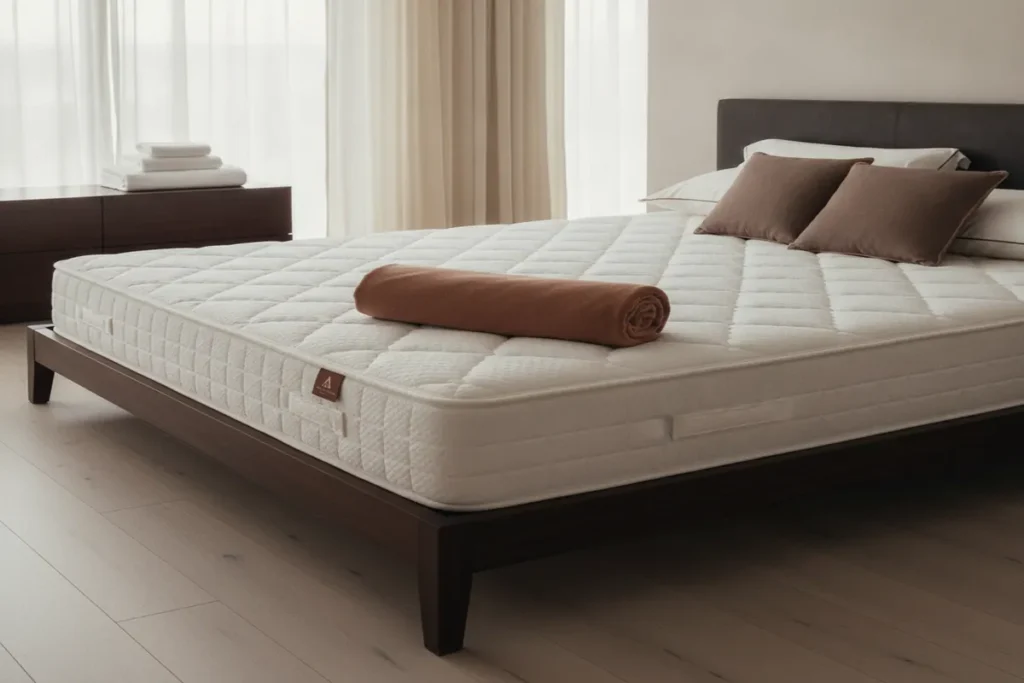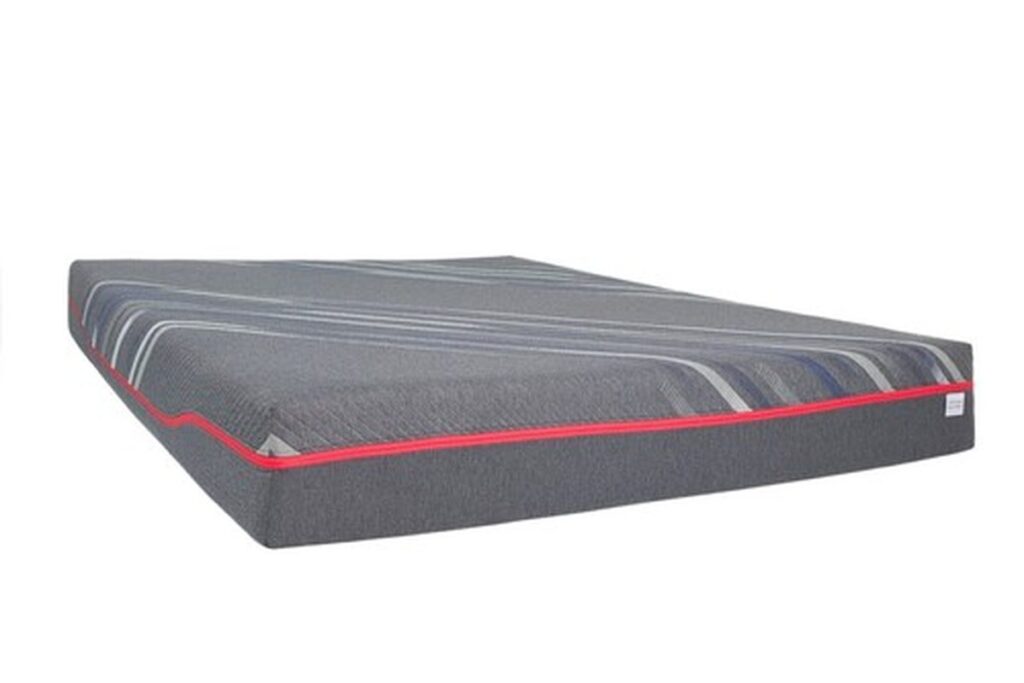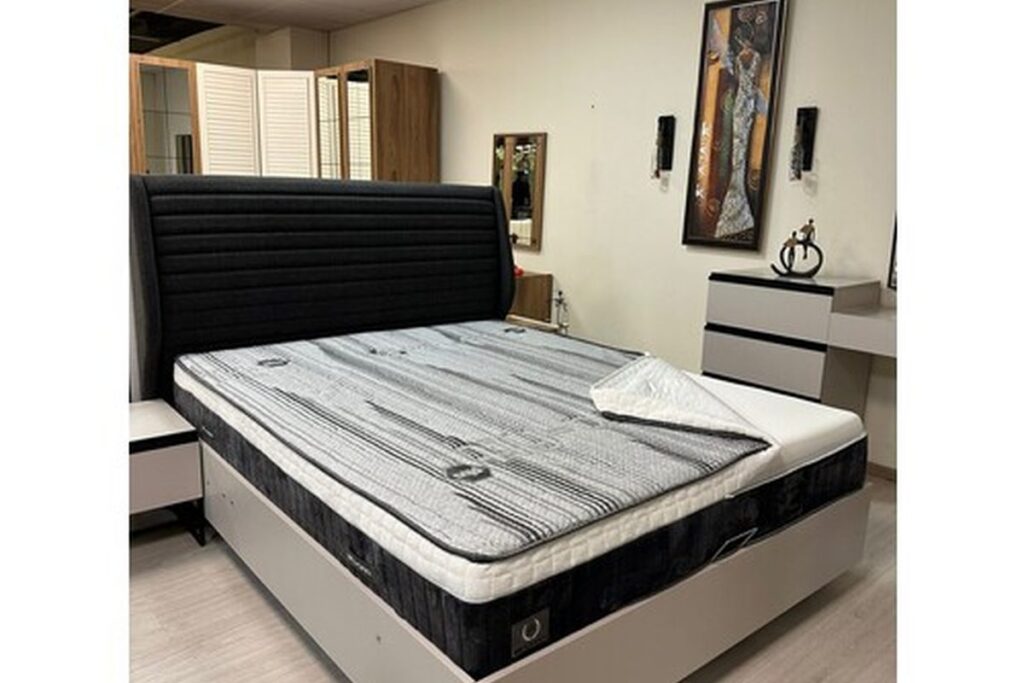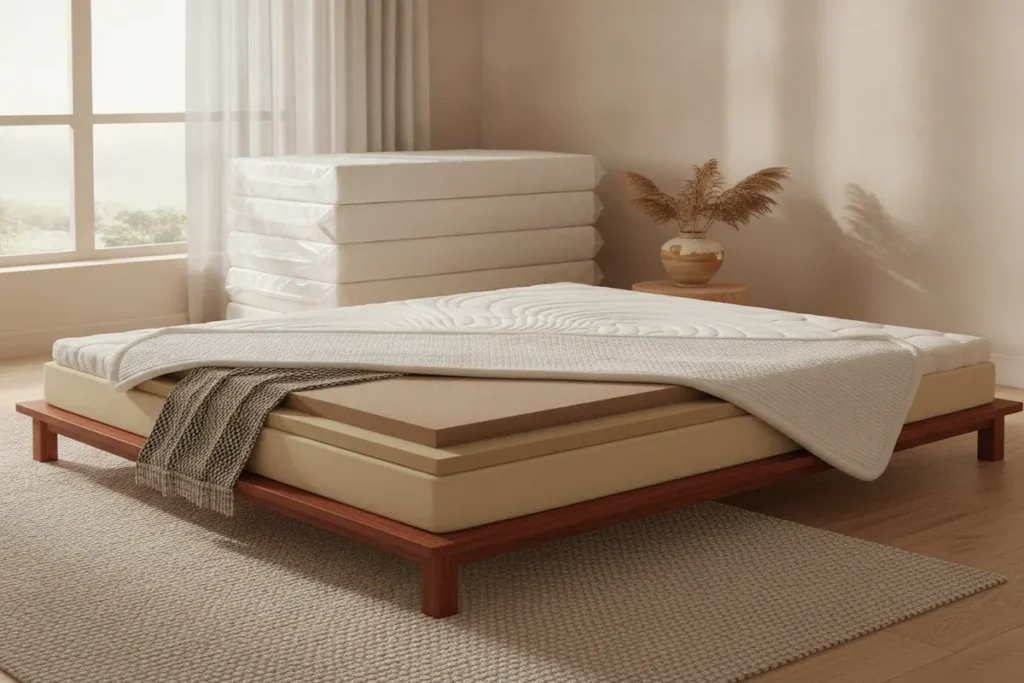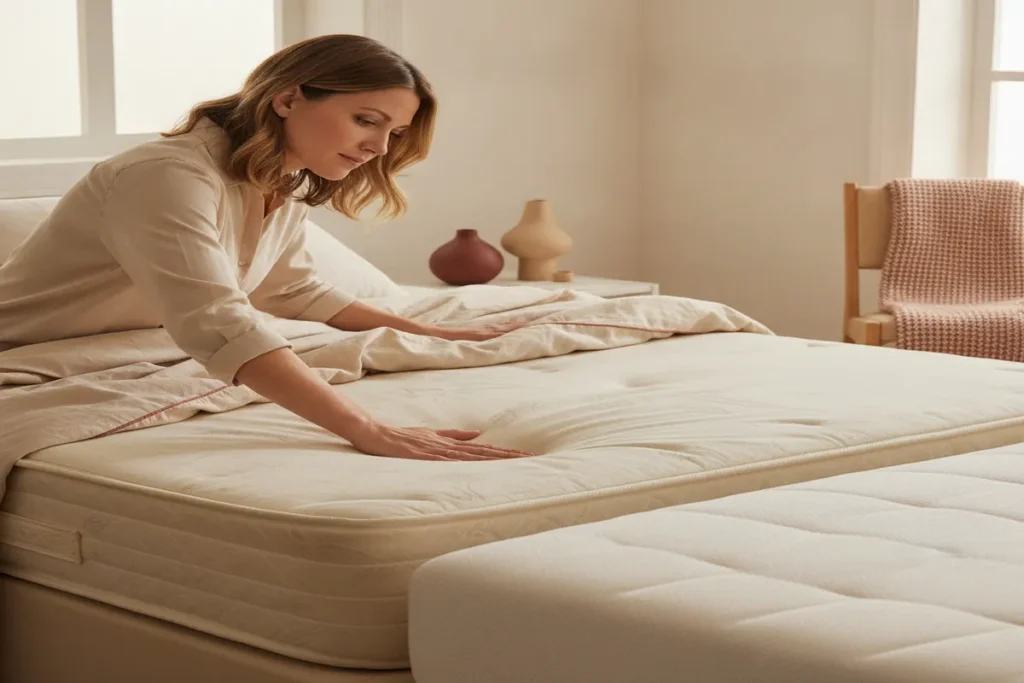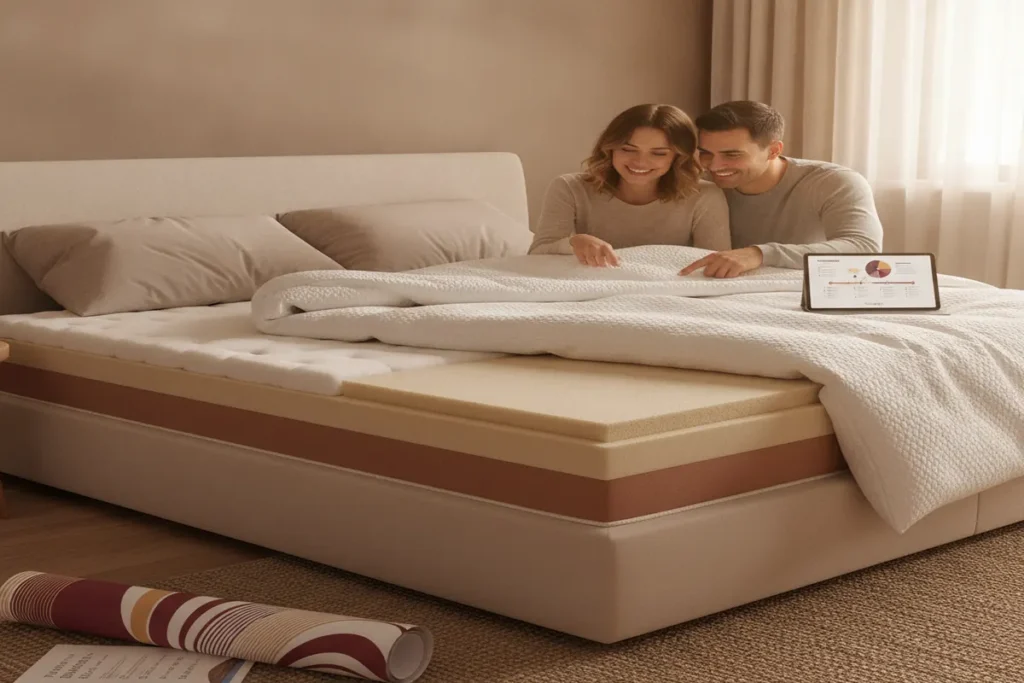

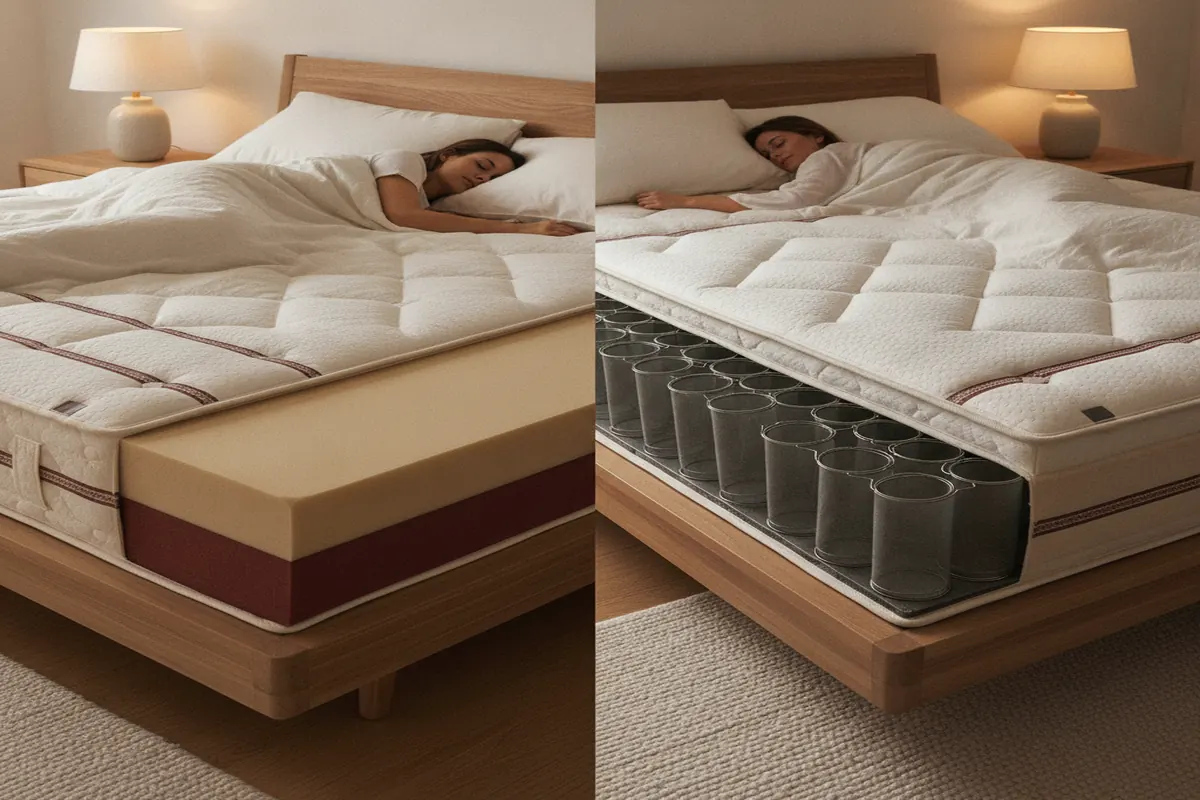
Choosing between a foam mattress and a spring mattress is a fundamental decision that profoundly impacts your sleep quality. While foam mattresses, including popular memory foam and latex foam varieties, are renowned for their body-conforming pressure relief and superior motion isolation, spring mattresses, particularly modern pocket spring mattresses, offer robust support, responsive bounce, and often better airflow. Your optimal choice hinges on individual factors such as preferred sleep position, body weight, temperature regulation needs, and whether you sleep alone or with a partner.
Quick Summary
- Foam mattresses offer contouring pressure relief and excellent motion isolation
- Spring mattresses provide responsive bounce and often better airflow
- Memory foam excels in conforming support but can retain heat
- Pocket spring mattresses minimize motion transfer better than traditional open coil
What’s the Core Difference: Foam vs. Spring Mattress Construction?
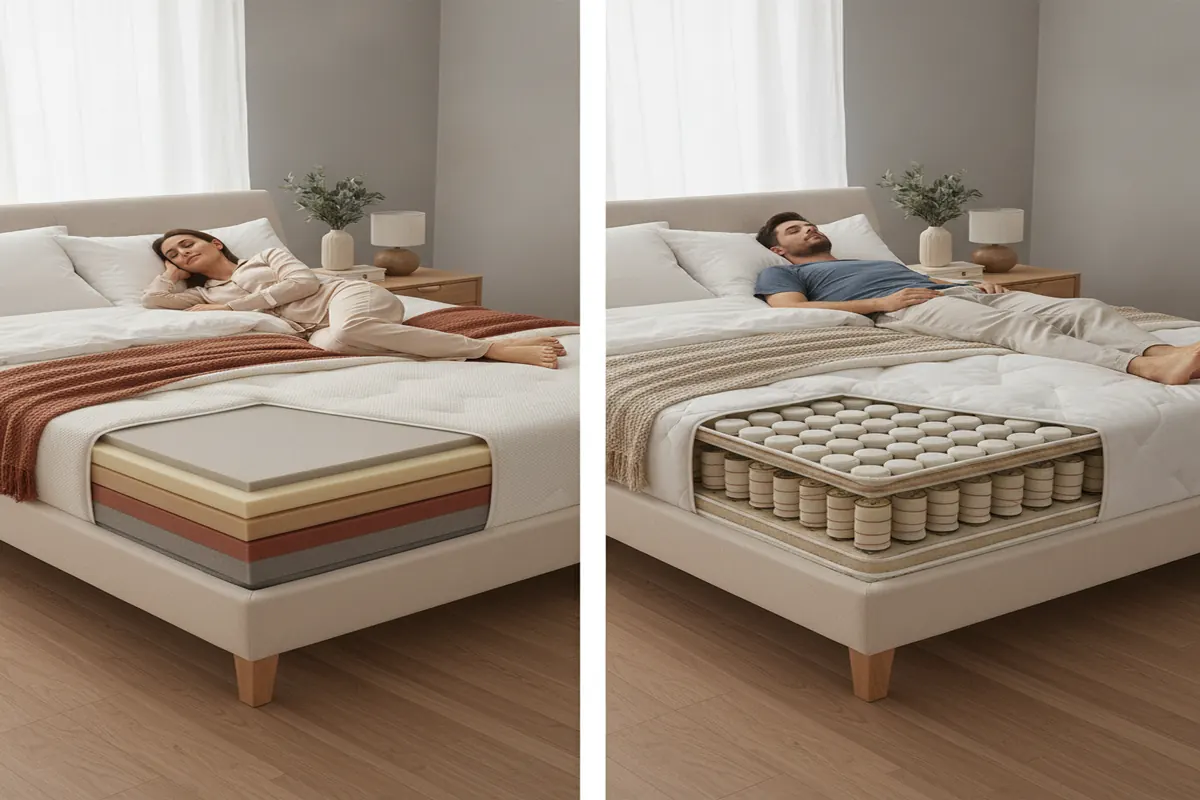
At their heart, the fundamental distinction between foam and spring mattresses lies in their internal support system. This structural difference dictates everything from how a mattress feels to how it performs over time. Understanding these core constructions is the first step in making an informed decision.
-
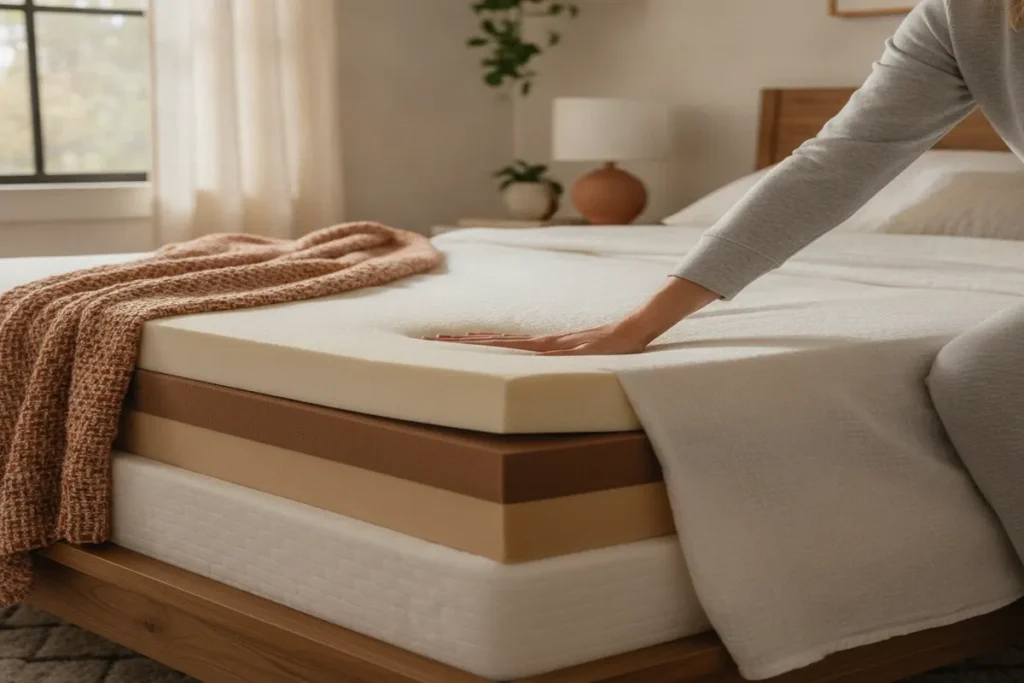
Foam Mattresses: These mattresses are built entirely from various layers of foam. There are several types, each with distinct properties:
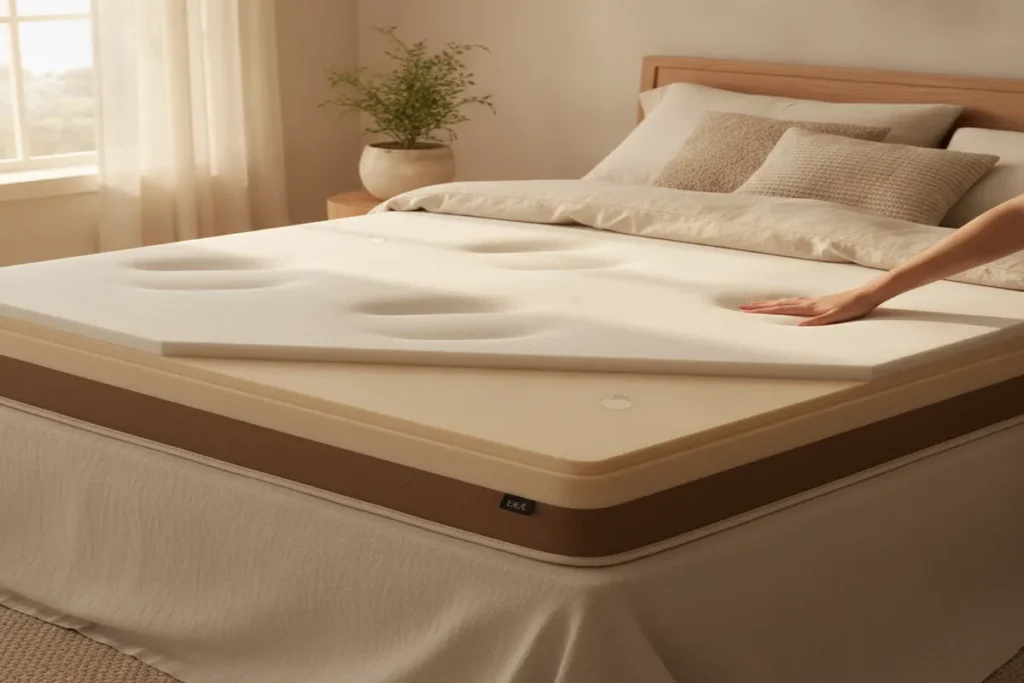
- Memory Foam (Visco Foam Mattress): Developed by NASA, memory foam reacts to body heat and pressure, softening to contour precisely to your shape. This creates a cradling sensation, distributing weight evenly and relieving pressure points. Sinyora Yatak offers advanced Visco Foam Mattress options designed for optimal contouring.
- Latex Foam (Latex Foam Mattress): Derived from rubber trees (natural latex) or synthesized (synthetic latex), latex foam is known for its responsive feel, durability, and natural cooling properties. It offers a bouncier, more resilient support than memory foam while still providing excellent pressure relief. Our Latex Foam Mattress collection showcases these benefits.
- Polyfoam (Sponge Topper Mattress): A common base layer or comfort layer, polyfoam is less dense and less expensive than memory foam or latex. It provides general cushioning and support. Often used in hybrid designs or as a topper.
- Construction: Typically feature a dense base foam for structural support, topped with one or more comfort layers of memory foam, latex, or softer polyfoam.
-
Spring Mattresses (Innerspring Mattresses): These mattresses rely on a system of metal coils for their primary support. The type and configuration of these coils vary significantly:
- Bonnell Coils (Bonnel Spring Mattress): The oldest and most common type, Bonnell coils are hourglass-shaped, interconnected springs. They are durable and affordable but can transfer motion easily and may create pressure points due to their linked nature.
- Offset Coils: Similar to Bonnell but with flattened top and bottom turns, allowing for better contouring and reduced motion transfer than Bonnell.
- Continuous Coils: A single wire is formed into rows of S-shaped coils. Durable and stable, but also prone to motion transfer.
- Pocketed Coils (Pocket Coils Mattress): Each spring is individually wrapped in a fabric pocket, allowing them to move independently. This design significantly reduces motion transfer, provides targeted support, and allows for better contouring than interconnected spring systems. Sinyora Yatak’s Pocket Coils Mattress range exemplifies this advanced spring technology.
- Construction: Consist of a core layer of coils, often surrounded by a border rod for edge support, and topped with various comfort layers of foam, fiber, or padding.
Which Offers Better Support and Comfort: Foam, Memory Foam, or Spring?
The terms “support” and “comfort” are subjective but fundamentally different in the context of mattresses. Support refers to the mattress’s ability to maintain proper spinal alignment, preventing sagging and ensuring even weight distribution. Comfort relates to the immediate feel and pressure relief it offers.
Foam Mattresses: Contouring Comfort & Pressure Relief
Foam mattresses, especially those with memory foam or latex foam, excel in providing personalized support and exceptional pressure relief.
-
Memory Foam:
- Support: Distributes body weight evenly, eliminating pressure points and maintaining spinal alignment by conforming precisely to your curves. This makes it excellent for alleviating back, hip, and shoulder pain.
- Comfort: Offers a unique “hug” sensation. It slowly cradles the body, reducing pressure on sensitive areas. This deep contouring is often described as feeling like sleeping “in” the mattress rather than “on” it.
- Best For: Side sleepers, individuals with joint pain, those seeking deep pressure relief.
- Considerations: Can sometimes sleep hot due to its density, though modern designs often incorporate cooling gels or open-cell structures.
-
Latex Foam:
- Support: Provides a more buoyant, responsive support than memory foam. It pushes back against the body, offering a floating sensation while still conforming to curves for spinal alignment.
- Comfort: Offers a gentle bounce and quick response to movement, making it easier to change positions. It’s often preferred by those who like the contouring of foam but not the “stuck” feeling of traditional memory foam.
- Best For: All sleep positions, individuals seeking durable, hypoallergenic options, those who prefer a bouncier feel.
Spring Mattresses: Responsive Support & Traditional Feel
Spring mattresses, particularly those with pocket coils, offer a different kind of support and comfort, often preferred by those who like a more traditional mattress feel.
-
Traditional Innerspring (Bonnell, Offset, Continuous):
- Support: Provides firm, even support across the surface. The interconnected coil system can be very durable but may not conform as precisely to individual body curves, potentially leading to pressure points for some.
- Comfort: Offers a springy, responsive feel with good bounce. You sleep “on” the mattress.
- Best For: Back and stomach sleepers who prefer a firmer, flatter surface, budget-conscious buyers.
- Considerations: Prone to motion transfer, can be noisy over time, and may sag in the middle sooner than foam.
-
Pocket Spring Mattresses:
- Support: Each coil works independently, allowing for more targeted support that contours better to the body than traditional innerspring. This helps maintain spinal alignment and reduces pressure points more effectively.
- Comfort: Combines the responsive bounce of springs with improved contouring. The individual pockets also significantly reduce motion transfer, making it a great option for couples.
- Best For: All sleep positions, couples, those who enjoy a traditional bouncy feel but need better pressure relief and motion isolation.
- Considerations: Generally more expensive than traditional innerspring, but offers superior performance.
Expert Insight
“The ideal mattress delivers a balance where your spine remains aligned in its natural curve, and pressure points are minimized. For many, this means a mattress that contours sufficiently without letting you sink too much, or provides firm support without feeling rigid. Personal preference is paramount, but the underlying support structure is key to long-term spinal health.” – Industry experts confirm that a well-supported spine is non-negotiable for restorative sleep.
Who Benefits Most? Matching Mattress Types to Sleepers and Needs
Choosing the “better” mattress isn’t about universal superiority; it’s about finding the best match for your specific needs. Different mattress types cater to different sleep profiles.
When Foam Mattresses (Memory Foam, Latex Foam) Shine:
-
Side Sleepers (Turkish Mattress for Side Sleepers): The contouring ability of memory foam and latex foam is excellent for side sleepers, as it cradles the shoulders and hips, preventing pressure buildup and maintaining spinal alignment.
-
Individuals with Joint Pain or Pressure Points: The deep pressure relief offered by memory foam, in particular, can significantly alleviate discomfort for those with arthritis, fibromyalgia, or general aches and pains.
-
Couples Seeking Motion Isolation: Foam mattresses absorb motion exceptionally well. If your partner tosses and turns, a foam mattress (especially memory foam) ensures minimal disturbance on your side of the bed.
-
Allergy Sufferers: Latex foam is naturally hypoallergenic and resistant to dust mites, mold, and mildew, making it an excellent choice for allergy-prone individuals.
-
Those Who Prefer a “Hug” or Cradling Feel: If you enjoy sinking into your mattress and feeling deeply supported, foam is likely your preference.
When Spring Mattresses (Pocket Spring, Bonnell) Are Preferred:
-
Back and Stomach Sleepers: These sleepers often benefit from the firmer, more even support of a quality spring mattress (especially a well-constructed pocket spring or a firmer Bonnell). It helps keep the spine in a neutral position without excessive sinking.
-
Those Who Prefer a Bouncy, Responsive Feel: If you like to feel like you’re sleeping “on” your mattress rather than “in” it, and enjoy the ease of movement that bounce provides, a spring mattress is a strong contender.
-
Individuals Who Sleep Hot: Spring mattresses generally offer better airflow due to the open structure of their coil systems, which can help dissipate heat more effectively than dense foam.
-
Budget-Conscious Buyers: While high-end pocket spring mattresses can be costly, traditional Bonnell spring mattresses are often the most affordable option.
-
Those Who Value Strong Edge Support: Many spring mattresses, especially those with reinforced perimeters, offer excellent edge support, making it easier to get in and out of bed and providing a consistent sleeping surface right to the edge.
Motion Isolation, Durability, and Temperature Regulation: Key Performance Factors
Beyond basic support and comfort, several other performance factors are crucial when comparing foam and spring mattresses. These aspects significantly influence your long-term satisfaction and the overall sleep experience.
Motion Isolation
-
Foam Mattresses (Especially Memory Foam): Excellent. Memory foam is a champion of motion isolation. Its viscoelastic properties absorb movement at the source, preventing it from rippling across the bed. This is ideal for couples where one partner is a restless sleeper.
-
Pocket Spring Mattresses: Very Good. Because each coil is individually wrapped, pocket springs move independently. This drastically reduces motion transfer compared to traditional interconnected spring systems, making them a strong choice for couples.
-
Traditional Spring Mattresses (Bonnell, Offset, Continuous): Poor to Fair. The interconnected nature of these coils means that movement on one side of the bed is easily felt on the other, which can be disruptive for partners.
Durability and Lifespan (Turkish Mattress Lifespan)
-
Foam Mattresses:
- High-Density Memory Foam/Latex: Can be very durable, often lasting 8-15 years, especially high-quality Turkish Foam Mattress options. They tend to maintain their shape well, though some lower-density foams can soften or develop impressions over time.
- Polyfoam: Generally less durable than memory foam or latex, with a shorter lifespan.
-
Spring Mattresses:
- Pocket Spring: High-quality pocket springs are very durable, often lasting 7-10 years. The independent coils can withstand pressure well.
- Traditional Innerspring: Can be durable but may develop sagging or squeaking sooner (5-7 years), especially with continuous use. The springs can lose their tension over time.
- General: The lifespan heavily depends on the quality of materials (coil gauge, temper, foam layers) and construction. Sinyora Yatak prioritizes durability in all our mattress collections.
Temperature Regulation
-
Foam Mattresses:
- Traditional Memory Foam: Can retain heat due to its dense, conforming nature, which can be an issue for hot sleepers.
- Modern Foam (Gel Memory Foam, Open-Cell Foam, Latex Foam): Many contemporary foam mattresses incorporate cooling technologies like gel infusions, open-cell structures, graphite, or copper to dissipate heat. Latex foam is naturally more breathable.
-
Spring Mattresses:
- General: The open structure of coil systems inherently allows for better airflow through the mattress. This helps to dissipate body heat and keep the sleeping surface cooler. This is a significant advantage for those who tend to overheat at night.
- Hybrid Mattresses: Often combine the best of both worlds, using a pocket spring base with foam comfort layers, frequently incorporating cooling foams.
Navigating the Choices: Foam vs. Pocket Spring Mattresses
When comparing foam and spring mattresses today, the most relevant comparison often boils down to memory foam (or high-quality latex foam) versus pocket spring mattresses. Both represent advancements in their respective categories, offering superior performance compared to older, more basic designs.
Choosing Between These Advanced Options:
-
For Deep Pressure Relief & Contouring: If you prioritize feeling enveloped by your mattress, suffer from chronic pain, or are a strict side sleeper, a high-quality memory foam mattress is likely your best bet. Explore our Visco Foam Mattress collection.
-
For Responsive Contour & Durability: If you want the contouring benefits of foam but prefer a bouncier feel, easy movement, and natural materials, latex foam is an excellent choice. See our Latex Foam Mattress range.
-
For a Balanced Feel with Bounce & Targeted Support: If you enjoy the traditional feel of springs but need improved pressure relief and minimal motion transfer, a pocket spring mattress is ideal. This is especially true for couples who appreciate independent support and airflow. Our Pocket Coils Mattress options are designed for this balance.
-
For the Best of Both Worlds: Hybrid Mattresses: Many consumers find their ideal sleep in a hybrid mattress, which combines a pocket spring core with substantial foam comfort layers (memory foam, latex, or polyfoam). This fusion offers the responsive support and airflow of springs with the pressure relief and contouring of foam. Sinyora Yatak offers various hybrid designs like the Avant-Garde Bed and Construction Mattress, providing versatile solutions.
Common Pitfalls When Choosing a Mattress and How to Avoid Them
The mattress market can be overwhelming, and it’s easy to make mistakes that lead to an uncomfortable sleep experience or buyer’s remorse. Being aware of these common pitfalls can guide you toward a better decision.
-
Mistake 1: Not Understanding Your Sleep Needs:
- Pitfall: Buying a mattress based purely on reviews or a friend’s recommendation without considering your own unique sleep position, body weight, health issues (e.g., back pain), and temperature preferences.
- Avoid: Take an honest assessment of your sleep habits. Are you a side, back, or stomach sleeper? Do you sleep hot? Do you have specific aches? This self-assessment is critical.
-
Mistake 2: Prioritizing Price Over Quality:
- Pitfall: Opting for the cheapest option, only to find it sags prematurely, offers poor support, or becomes uncomfortable quickly.
- Avoid: View a mattress as an investment in your health. While budget is a factor, understand that higher quality materials (like high-density foams or tempered pocket coils) contribute to durability and long-term comfort. Consider the overall value and lifespan, not just the upfront cost.
-
Mistake 3: Neglecting Motion Isolation for Couples:
- Pitfall: Forgetting to test for motion transfer if you share a bed, leading to disturbed sleep every time your partner moves.
- Avoid: If you sleep with a partner, motion isolation should be a key criterion. Foam and pocket spring mattresses generally excel here. When testing, have your partner lie down and move around to gauge the transfer.
-
Mistake 4: Ignoring Temperature Regulation:
- Pitfall: Choosing a mattress that causes you to overheat at night, leading to restless sleep.
- Avoid: If you’re a hot sleeper, prioritize mattresses with cooling features. Look for gel-infused memory foam, open-cell foams, latex, or spring mattresses with good airflow. Our 4 Seasons Bed, for instance, is designed with climate control in mind.
-
Mistake 5: Not Testing the Mattress Adequately:
- Pitfall: Making a quick decision after only a few minutes of lying on a mattress in a showroom, or buying online without a generous trial period.
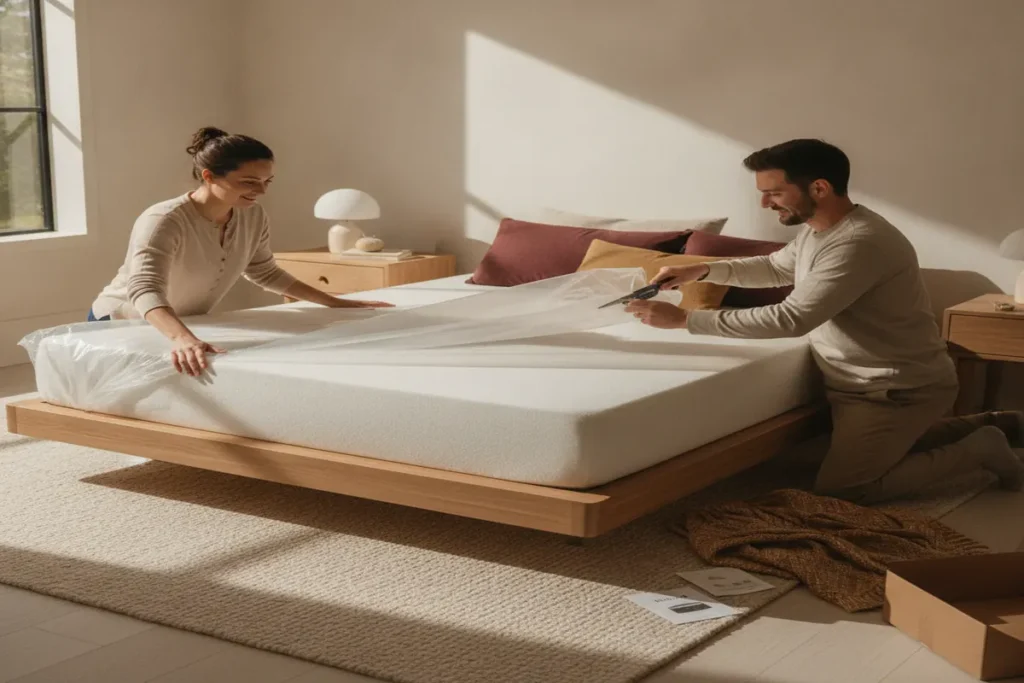
- Avoid: Lie on the mattress for at least 10-15 minutes in your typical sleep position. If buying online, ensure the company offers a robust return policy and a risk-free sleep trial (e.g., 90-120 nights) so you can test it in your own home.
-
Mistake 6: Forgetting About Edge Support:
- Pitfall: A mattress with poor edge support can make you feel like you’re rolling off the side, reduce the usable sleeping surface, and make getting in/out of bed difficult.
- Avoid: Pay attention to the mattress edges. Spring mattresses often have reinforced edges. For foam, look for models with a denser foam perimeter.
Your Mattress Buying Checklist: Making an Informed Decision
Making the right mattress choice requires a structured approach. Use this checklist to guide you through the process, ensuring all critical factors are considered before your purchase.
-
Assess Your Current Sleep Situation:
- What do you like/dislike about your current mattress? (Too soft, too firm, hot, saggy?)
- Do you wake up with aches or pains? Where?
- What’s your primary sleep position (side, back, stomach)?
- Do you sleep alone or with a partner? Is motion transfer an issue?
- Do you tend to sleep hot or cold?
- What’s your body type/weight? (Heavier individuals often need firmer support).
-
Understand Mattress Types and Their Properties:
- Foam (Memory Foam, Latex Foam): Pressure relief, contouring, motion isolation.
- Spring (Pocket Spring, Bonnell): Responsive, bouncy, good airflow, robust support.
- Hybrid: Blend of foam and spring benefits.
- Consider: Which core properties align best with your assessment from step 1? (e.g., if you’re a side sleeper with joint pain, foam is a strong candidate).
-
Prioritize Key Performance Factors:
- Support & Spinal Alignment: Does it keep your spine neutral in your preferred position?
- Pressure Relief: Does it alleviate pressure on hips, shoulders, and lower back?
- Motion Isolation: Crucial for couples.
- Temperature Regulation: Important for hot sleepers.
- Durability: How long do you expect the mattress to last? (Check Turkish Mattress Lifespan information).
- Edge Support: Do you use the full surface of the bed or sit on the edge?
-
Set a Realistic Budget:
- Determine your spending range. Remember that higher quality often means greater durability and comfort over time.
- Explore our How Much Does a Turkish Mattress Cost guide for insights into pricing.
-
Research Brands and Models:
- Look for reputable manufacturers like Sinyora Yatak, known for quality and craftsmanship.
- Read reviews, but focus on those that match your body type and sleep style.
- Investigate specific models, such as our Cashmere Bed for luxury comfort, or Hotel Mattress for robust support.
-
Test the Mattress (In-Store or via Sleep Trial):
- If possible, visit a showroom and lie on different mattresses for at least 10-15 minutes in your normal sleeping position.
- If buying online, ensure the company offers a generous sleep trial (e.g., 100 nights) and a clear return policy. This is essential for a risk-free purchase.
-
Check Warranty and Customer Service:
- Understand the warranty information – what it covers and for how long.
- Ensure the company has responsive customer service for any post-purchase questions or issues.
-
Consider Your Bed Base:
- Ensure your existing bed base (e.g., a Bed Base and Headboard set) is compatible with your new mattress type and provides adequate support. Some foam mattresses require solid foundations.
By following this checklist, you can systematically evaluate your options and confidently select a mattress that promises years of comfortable, restorative sleep. For further guidance, consult our comprehensive Buying Guides.
Expert Insight
“The biggest mistake people make is thinking there’s a single ‘best’ mattress. The truth is, the best mattress is the one that best supports your unique body and sleep habits. Don’t chase trends; chase comfort that aligns with your biomechanics. A good mattress is a long-term investment in your well-being.” – A leading sleep ergonomist, emphasizing personalized choice.
Key Terms
-
Memory Foam (Visco Foam): A viscoelastic polyurethane foam that softens and molds to the body in response to heat and pressure, offering deep contouring and pressure relief.
-
Latex Foam: A highly durable and responsive foam made from rubber tree sap (natural) or synthetic compounds, known for its buoyancy, breathability, and hypoallergenic properties.
-
Pocket Coils (Pocket Spring): Individual metal coils encased in fabric pockets, allowing them to move independently to provide targeted support and minimize motion transfer.
-
Motion Isolation: The ability of a mattress to absorb movement at the source, preventing it from disturbing other areas of the bed, crucial for couples.
-
Edge Support: The firmness and structural integrity of a mattress’s perimeter, which affects the usable sleeping surface and ease of getting in and out of bed.
How Can You Upgrade to More Comfortable Sleep with Sinyora Yatak?
At Sinyora Yatak, we understand that exceptional sleep begins with the right mattress. As experienced field specialists in Turkish mattress craftsmanship, we offer a diverse range of high-quality foam and spring mattresses, meticulously designed to cater to every individual’s unique needs. From the conforming embrace of our Visco Foam Mattress and Latex Foam Mattress collections to the responsive support of our Pocket Coils Mattress and Bonnel Spring Mattress lines, we blend traditional Turkish artistry with innovative sleep technology. Whether you’re a side sleeper seeking pressure relief, a couple needing superior motion isolation, or simply someone yearning for a refreshing night’s rest, our Mattress Collection has your ideal solution. Explore our Shop All Products today, delve into What Makes Turkish Mattresses Special, and discover how a Sinyora Yatak mattress can transform your sleep. For businesses, we also offer Mattress Wholesale in Turkiye and Ship Turkish Mattresses Internationally, bringing our superior comfort to customers worldwide. Don’t just sleep; experience the Sinyora Yatak difference.
Frequently Asked Questions
Q: What is better foam mattress or spring mattress?
Q: What is better memory foam mattress or spring mattress?
Q: What is difference between foam mattress and spring mattress?
Q: Which is better foam mattress or pocket spring mattress?
Q: Which is better foam or spring mattress for back pain?
Q: How long do foam and spring mattresses typically last?
Help: FAQs · Sleep Science · Sleep Resources · Privacy Policy